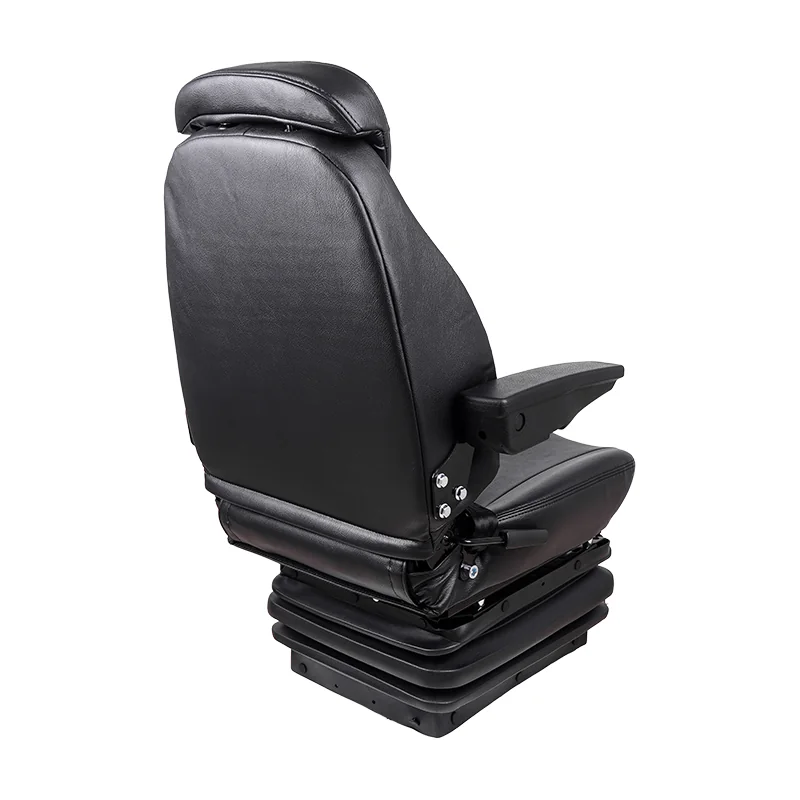
YJ03
80mm
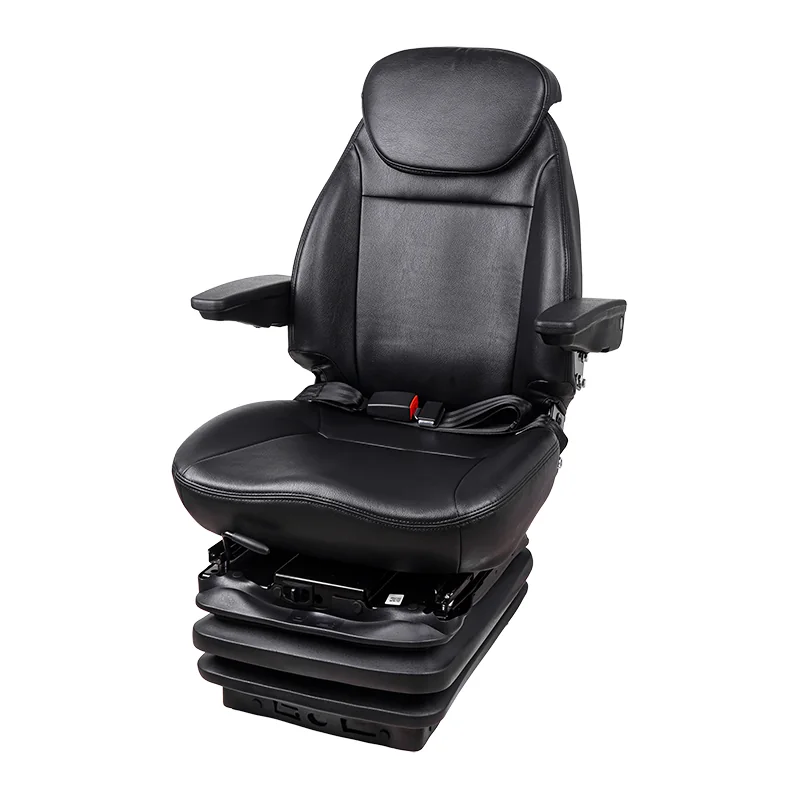
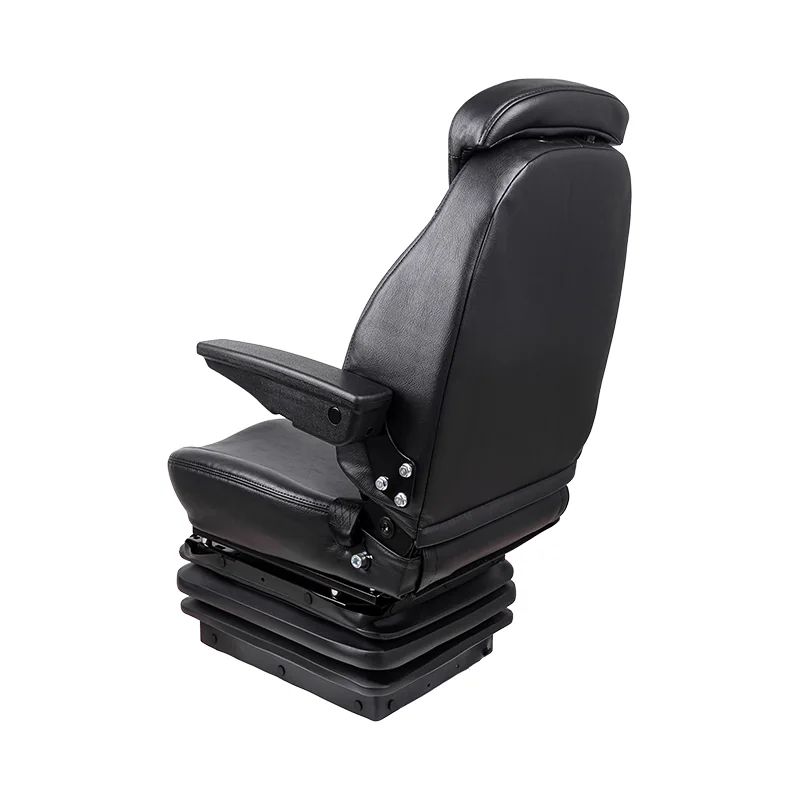
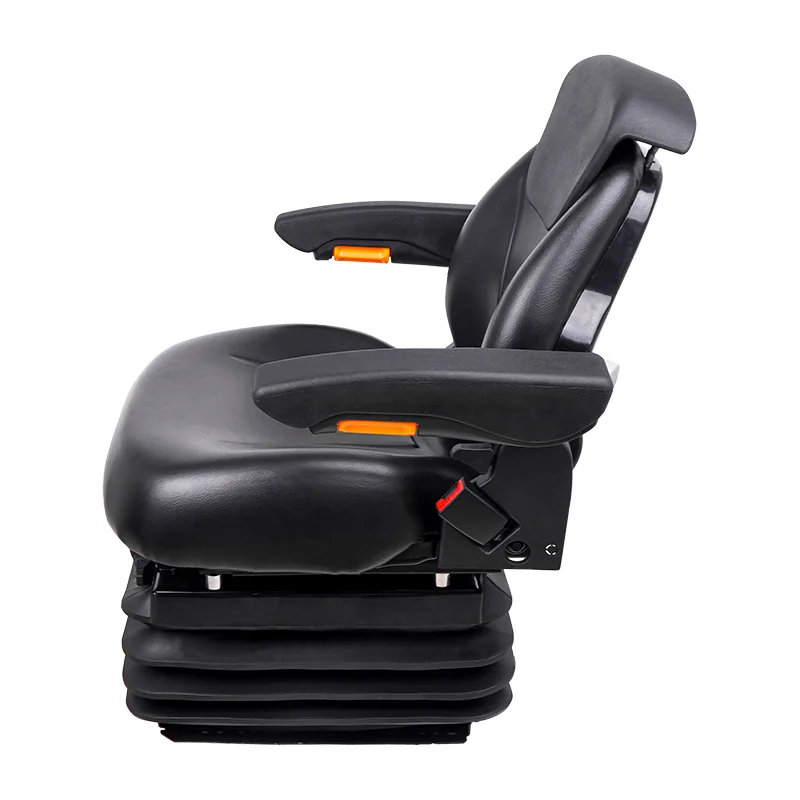
| Suspension | Air bag, 80 mm of travel |
|---|---|
| Weight setting | 50–130 kg |
| Pump | 24 V air pump motor |
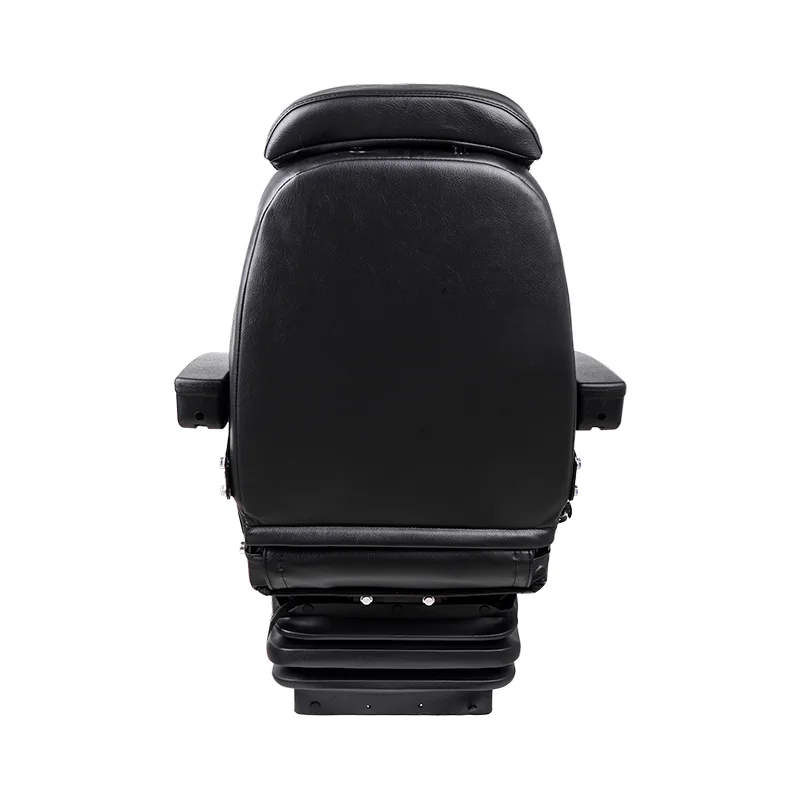
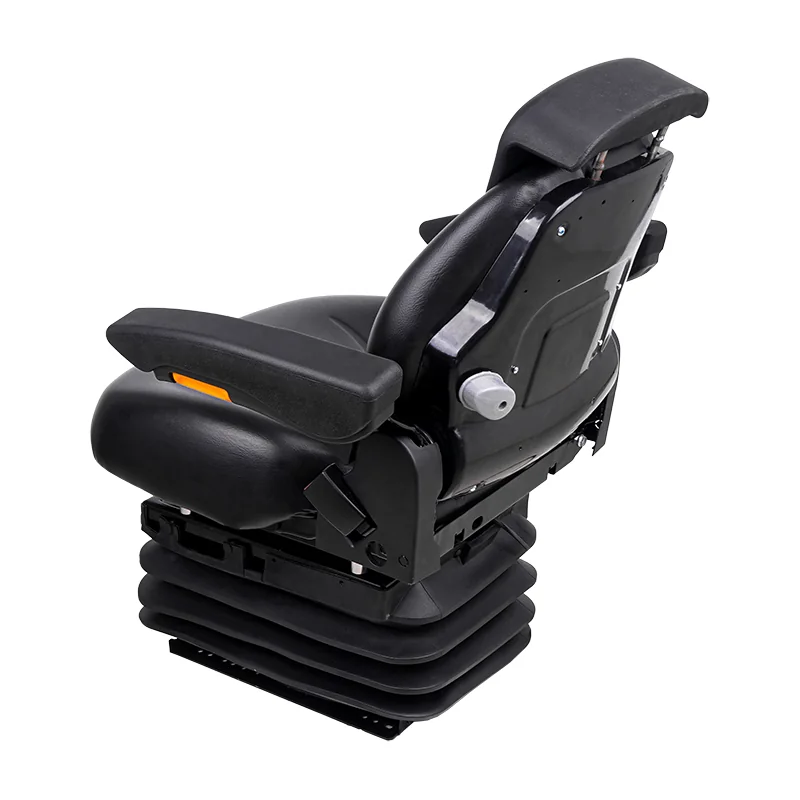
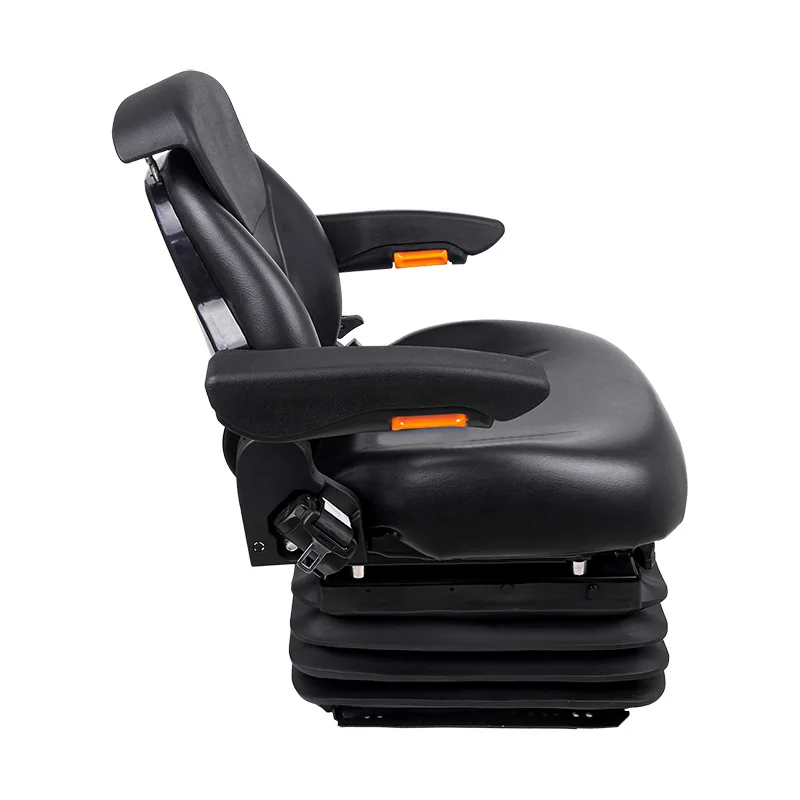
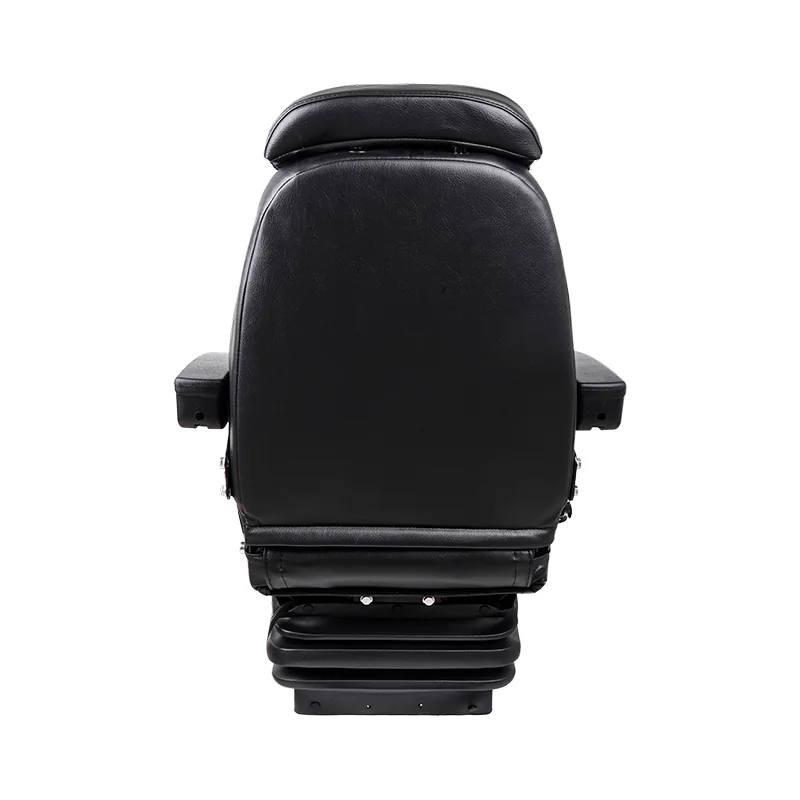
Listed on the sheet for tractor, seeder and agricultural machinery. YJ03 air suspension tractor seat
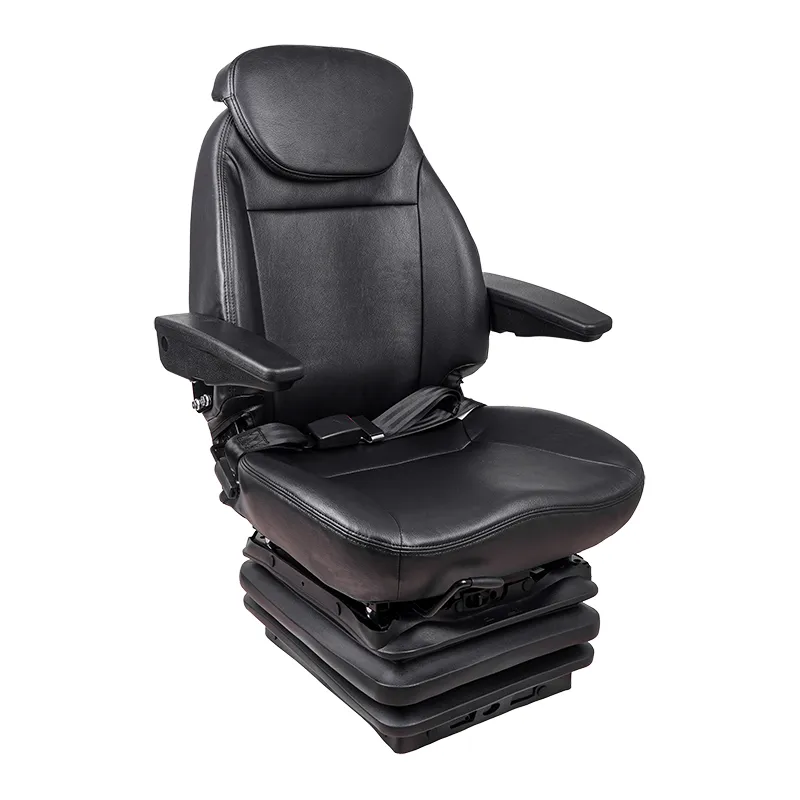
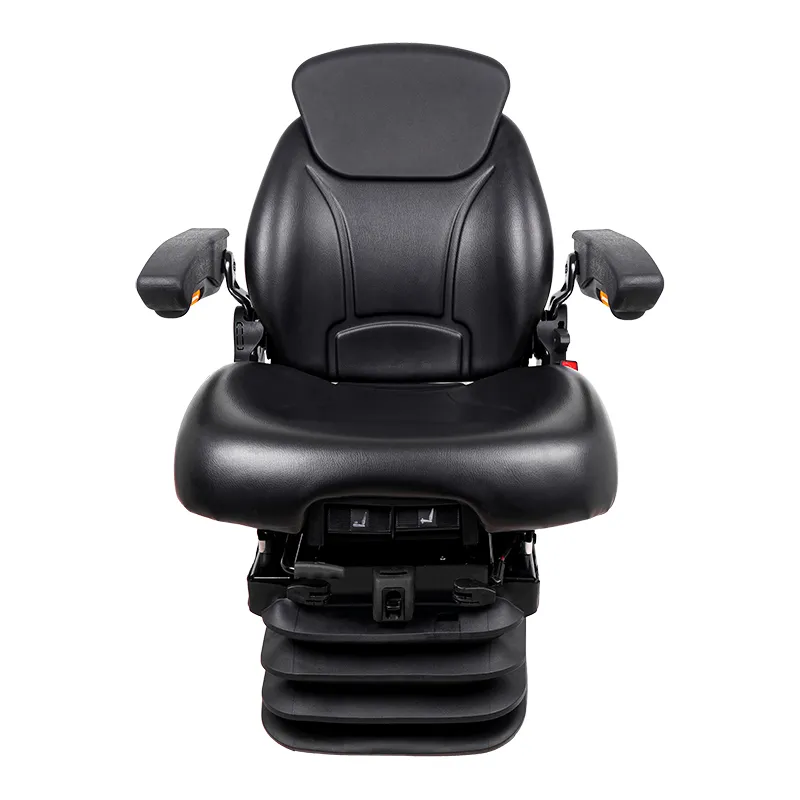
KL Seating is an air suspension seat manufacturer and supplier for machine builders that fit a seat into a new operator station, and for distributors and importers that supply replacement seats for tractors and agricultural machines already in the field.
Both models take a 24 V supply from the machine.
The reply to your details gives the model, the figures from the parameter sheet and the figures the factory still has to confirm.
For the data first, the two models are set side by side in the ledger below.
Both air suspension models belong to the tractor line. Each has a model page with the full data.
| Suspension | Air bag, 80 mm of travel |
|---|---|
| Weight setting | 50–130 kg |
| Pump | 24 V air pump motor |
Listed on the sheet for tractor, seeder and agricultural machinery. YJ03 air suspension tractor seat
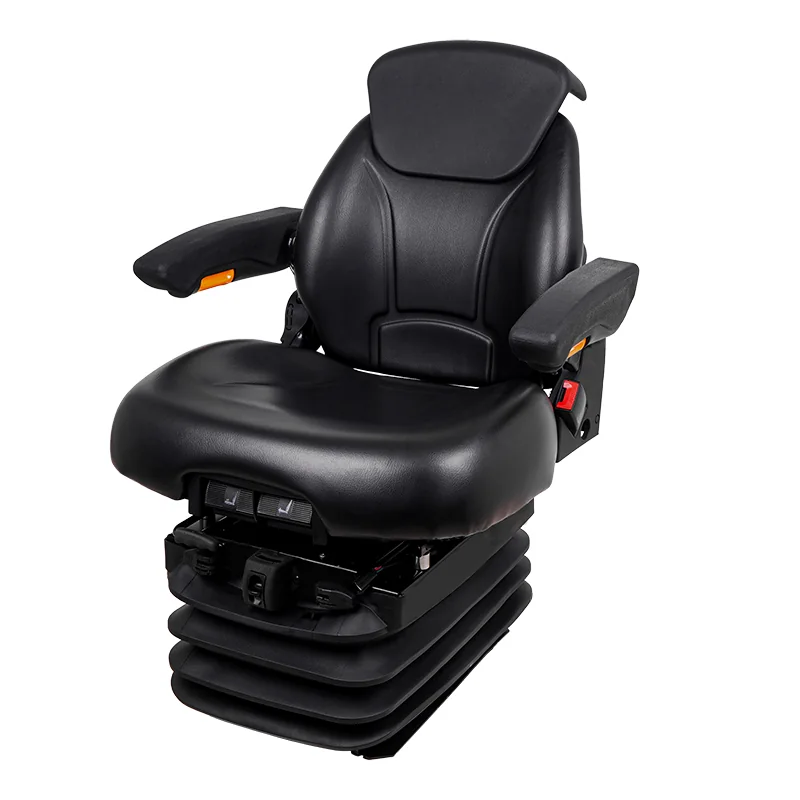
| Suspension | Air, 180 mm of travel |
|---|---|
| Seat depth | Three steps of 17.5 mm each |
| Supply | 24 V |
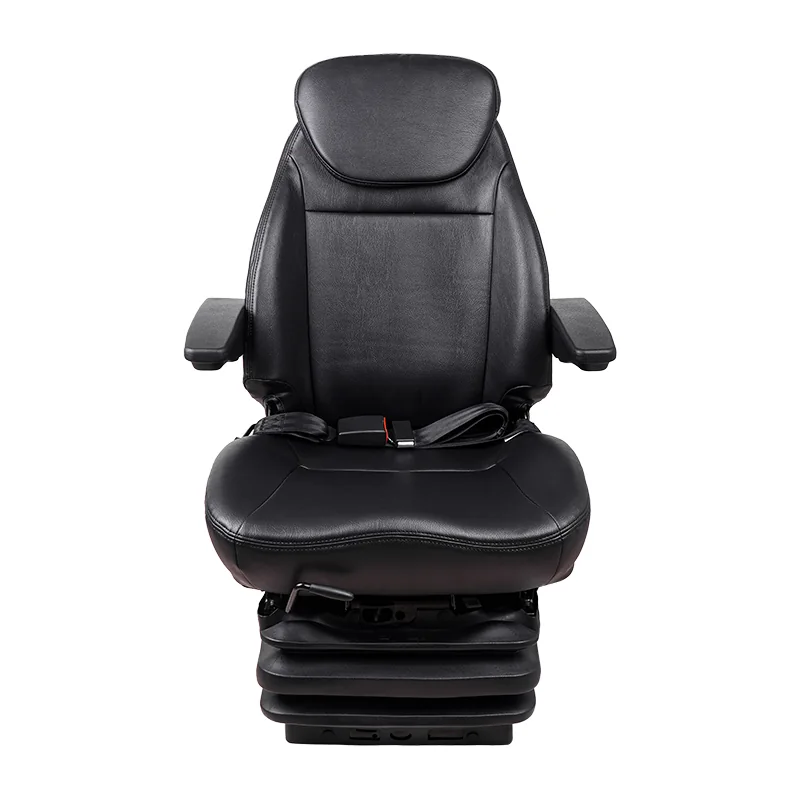
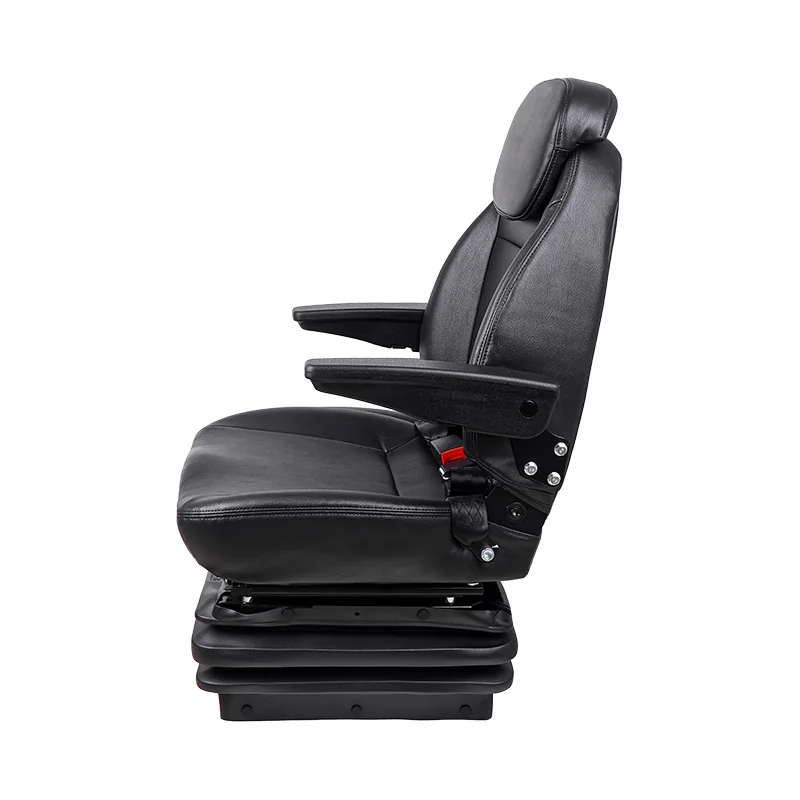
Listed on the sheet for tractor, seeder, agricultural machinery and construction machines. KL03 tractor seat
The forklift line carries no air suspension model. Construction machinery is covered on its series page, construction machinery seats, and KL03 appears there as a model whose sheet lists construction machines.
Seven rows, one page per model. Click a row name and the same row lights up on both pages. The ledger only reads back what the sheets publish.
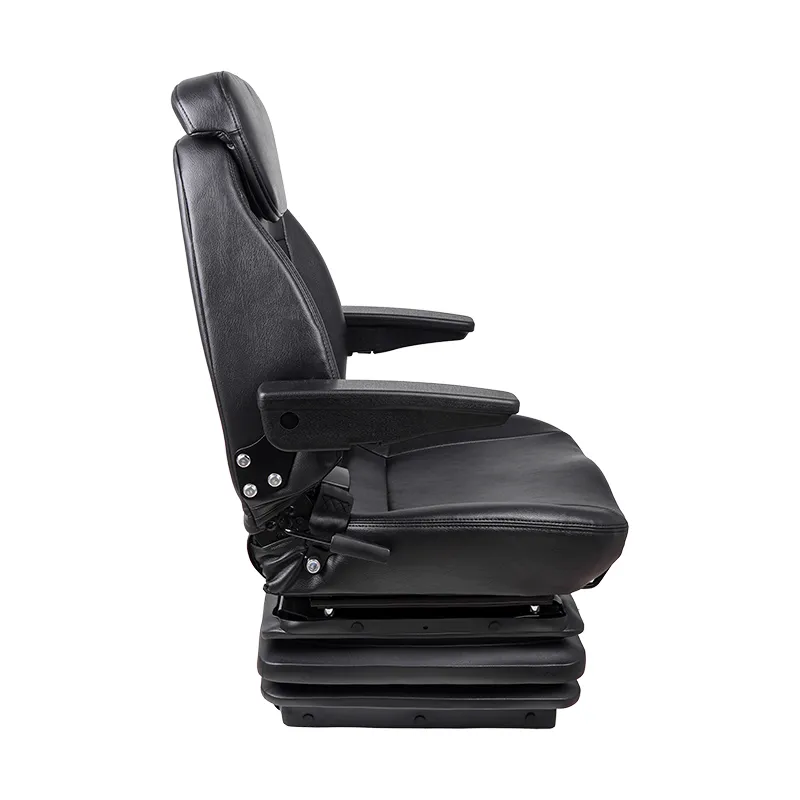 YJ03 | Row | 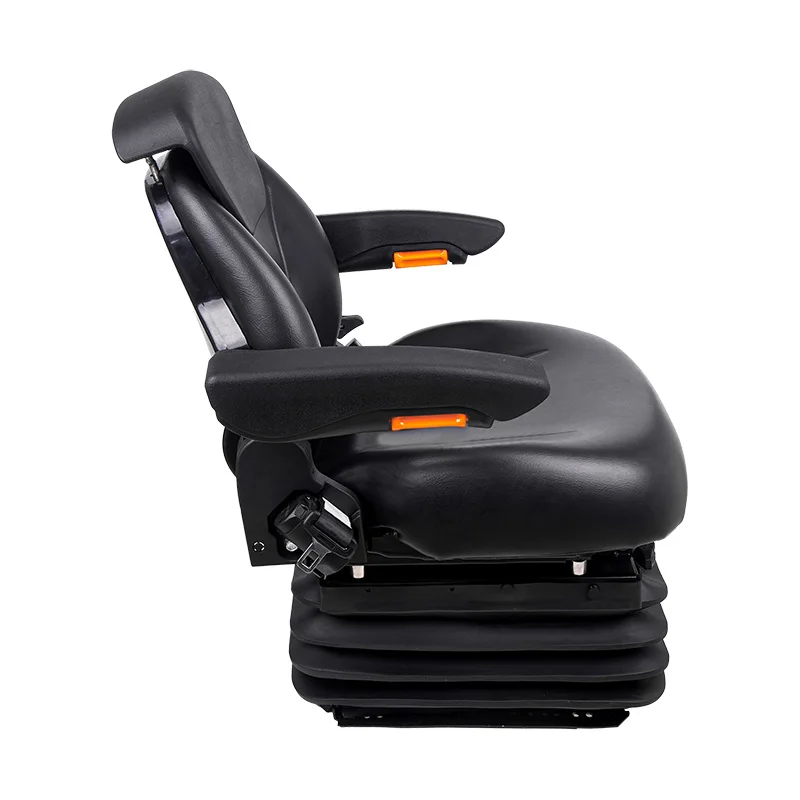 KL03 |
|---|---|---|
| 80 mm | Suspension travel | 180 mm |
| 50–130 kg | Operator weight setting | Ask the factory |
| 175 mm | Fore-aft adjustment | front 70 mm and rear 120 mm |
| 35°–170° | Backrest angle | Ask the factory |
| not listed | Seat depth adjustment | three steps of 17.5 mm each |
| 24 V air pump motor | Supply | 24 V |
| 525 × 610 × 780 mm | Overall size | Ask the factory |
Row: Suspension travel. YJ03: 80 mm. KL03: 180 mm.
Email this row to the factoryYJ03 figures come from the parameter sheet and the YJ03 drawing. KL03 figures come from the parameter sheet. Where the table says (the figure is confirmed in the enquiry reply), the figure goes into the enquiry reply and is not printed here.
The table compares the two suspension lines using only what the parameter sheets, drawings and testing descriptions publish.
| Item | Air suspension line | Mechanical suspension line |
|---|---|---|
| Models | YJ03, KL03 | YY53, KL01, YL02, KL11 |
| Published travel | 80 mm, 180 mm | 48 mm, 50 mm, 70 mm (KL11 publishes no travel figure) |
| Supply figure on the published material | 24 V for both models | none listed |
| Series | tractor | forklift, construction machinery |
| Shock absorber mechanical analysis | air bag test method not published; the factory answers in the reply | applied to the shock absorber of each mechanical model |
| Frame analysis, base-hole scan, cushion pressure test | applied | applied |
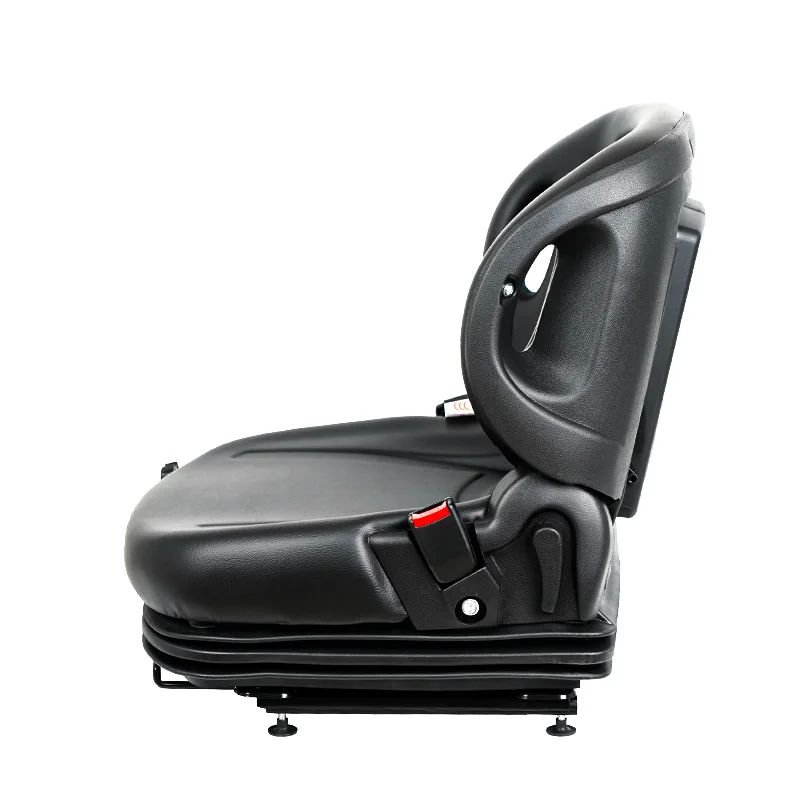
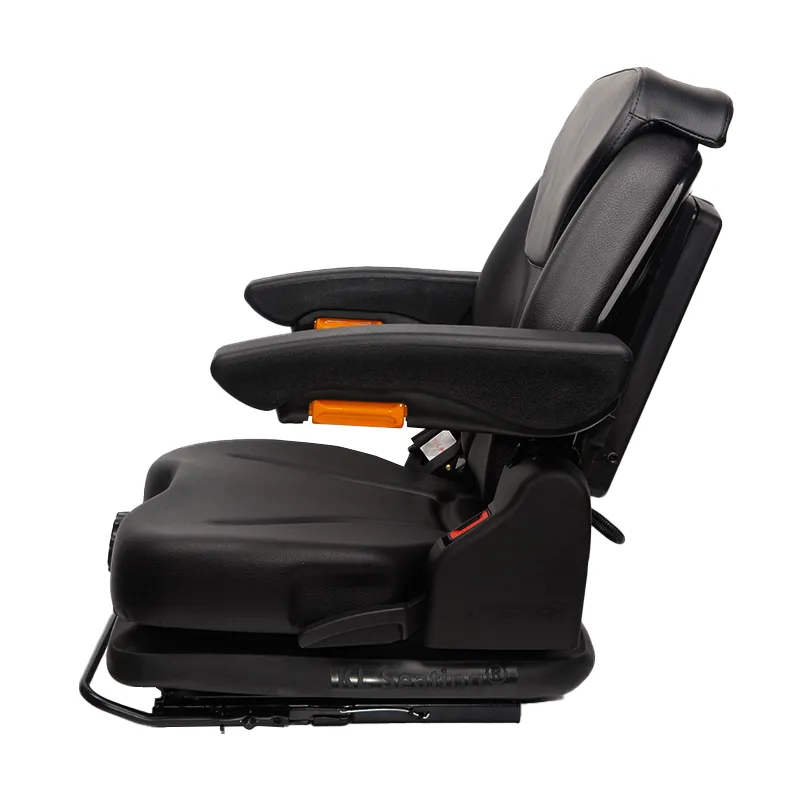
The air line carries a machine-side electrical item, the 24 V supply, which goes into the interface list next to the mounting data.
Every published suspension travel, air and mechanical, sits on one scale on the suspension seats page. The mechanical models have their series pages for forklift and construction machinery.
Travel is the vertical movement of the seat on its suspension, and the cab has to give that movement room. The air line publishes two values: 80 mm on YJ03 and 180 mm on KL03.
You give the machine type and the cab or platform the seat sits in.
You give the travel of the seat now fitted, or the travel your cab design allows.
You give the (the height and room left for the seat to move) under the cushion and around the seat base.
We answer with the model and mark which figures come from the sheet.
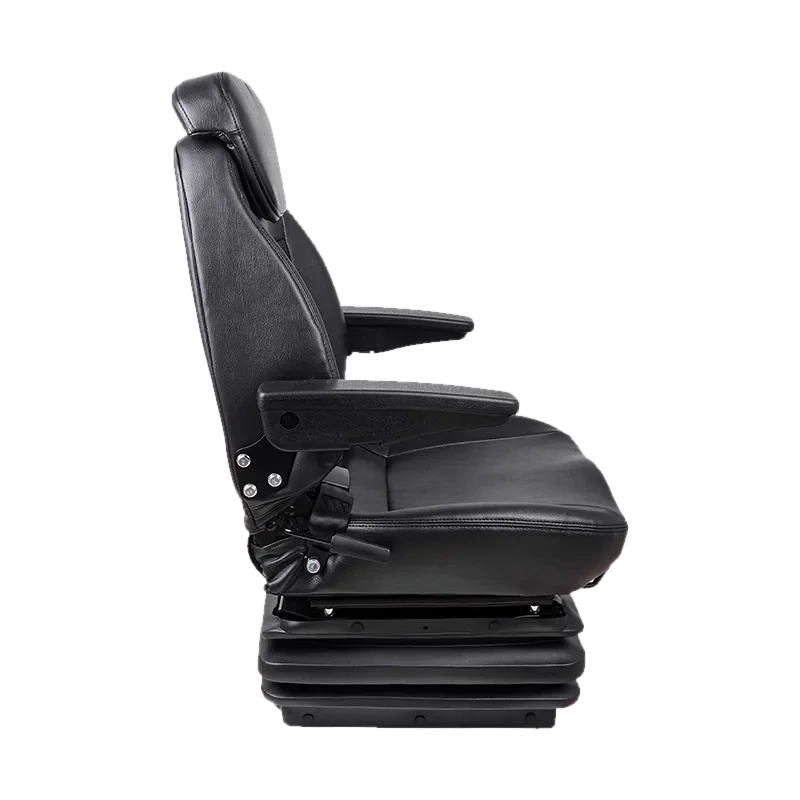
80 mm. A machine whose present seat travels 80 mm points to YJ03.
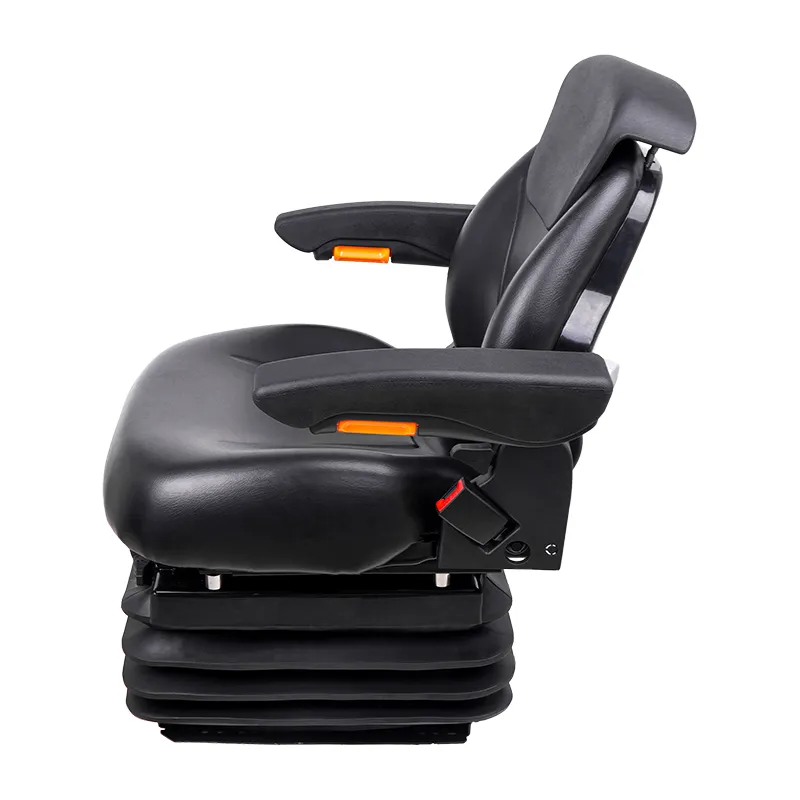
180 mm. A machine whose cab was designed around a longer stroke points to KL03 at 180 mm.
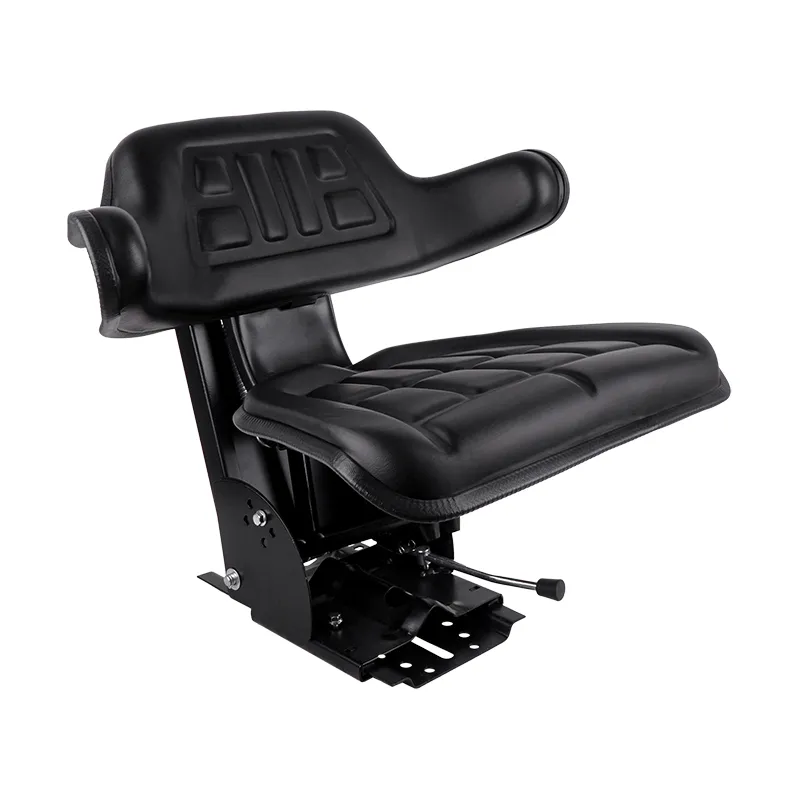
YY08, also a tractor seat, publishes 80 mm of travel and no suspension type. It sits on the tractor seats page and is not described as air or mechanical anywhere on this site.
Schematic · not to scale · current draw and connector form are not published
Both air models run on 24 V. The YJ03 drawing marks the air pump motor as 24 V, and the KL03 supply is 24 V on the same footing. The seat brings the pump. The machine brings the supply to the seat position, and nothing on the seat side changes the voltage of the machine.
Pump current draw and connector form are not on our published sheets, so we do not print them. Send the electrical details of your machine and the factory answers each point in the reply. Put the voltage in the first message and the reply starts at the model.
The air bag is set for the person who sits on it, so the operator weight range is part of every selection. The adjustments differ between the two models, and each model's own page carries the full detail.
A fleet with operators across a wide weight range names the lightest and heaviest operator in the first message. For KL03 that range is what the factory checks against its own data before the model is confirmed. Cover and options for both models are listed on the model pages.
Some figures sit outside the published sheets. They are listed here so you can ask for them in the first message, and so the reply does not hold a surprise.
| Item | State on the sheets | How it is handled |
|---|---|---|
| KL03 weight setting | The sheet does not give a band. | The factory confirms it against the operator weight range you send. |
| KL03 backrest angle, overall size, cover and options | Not published. | Confirmed in the reply. |
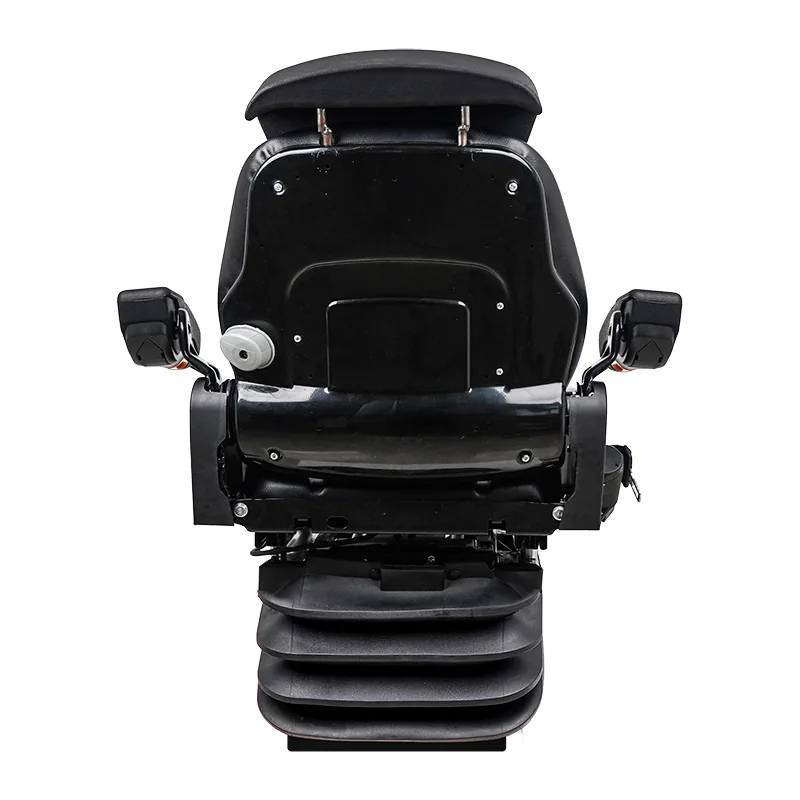
| KL03 drawing and base hole pattern | No drawing is on file. | The hole pattern is requested from the factory with your seat base measurements. |
| YJ03 base hole pattern | The sheet and drawing give the overall size and the technical data. | The hole pattern is requested from the factory. |
| Air bag pressure and pump current | Not on the published sheets. | Answered by the factory against your machine. |
| Pump connector form | Not published. | Confirmed with the electrical details you send. |
Asking for these items in the first message shortens the reply to one round.
The fit check runs on three inputs from you:
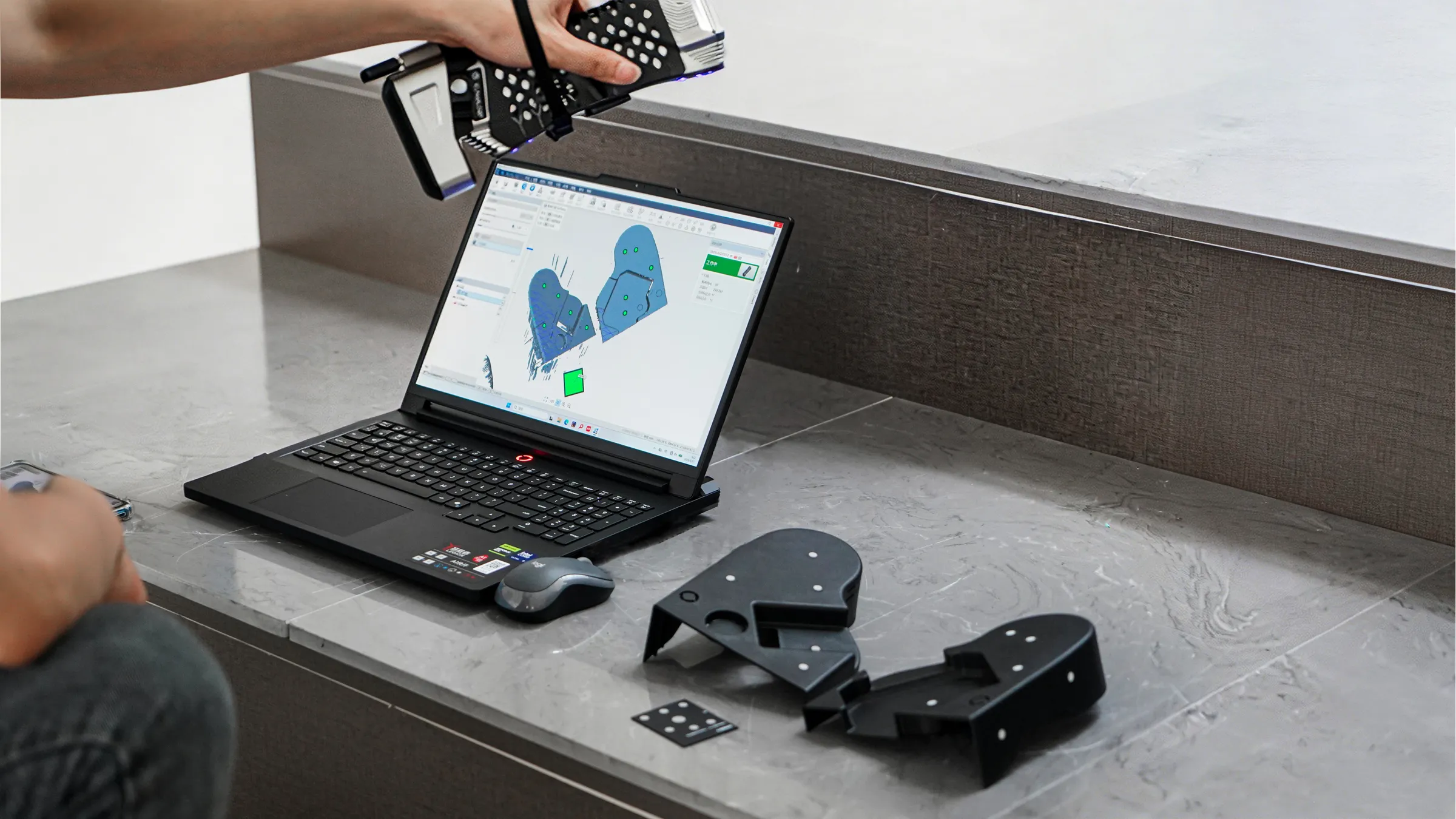
3D scanning in our testing center is used to compare base hole positions and frame outline dimensions. The result is returned to you against the model parameter sheet.
If the pattern on your machine differs from the seat, the factory states which modification closes the gap, and a structure change goes to the research center.
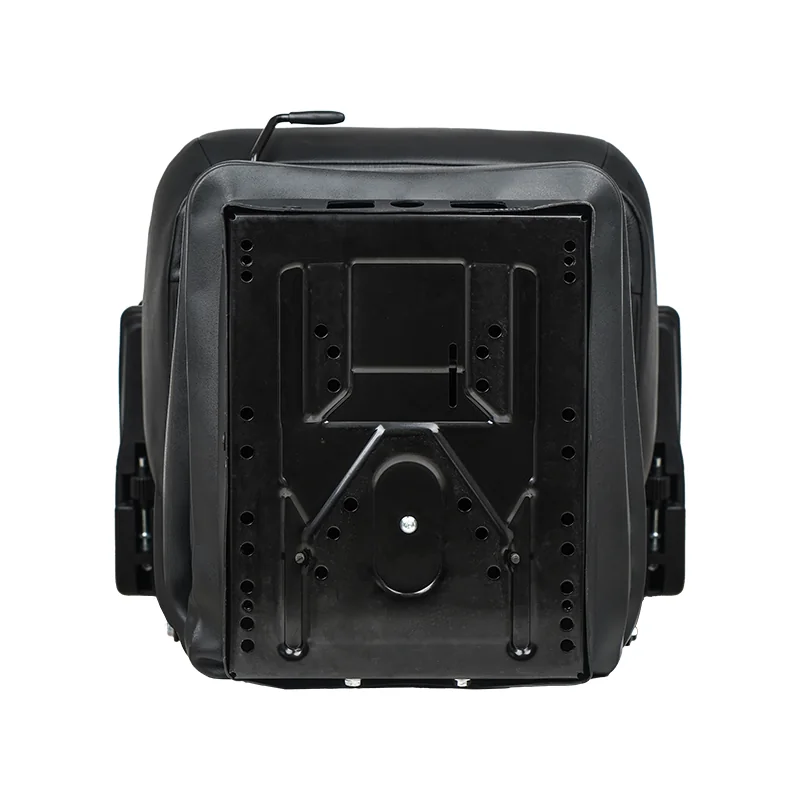
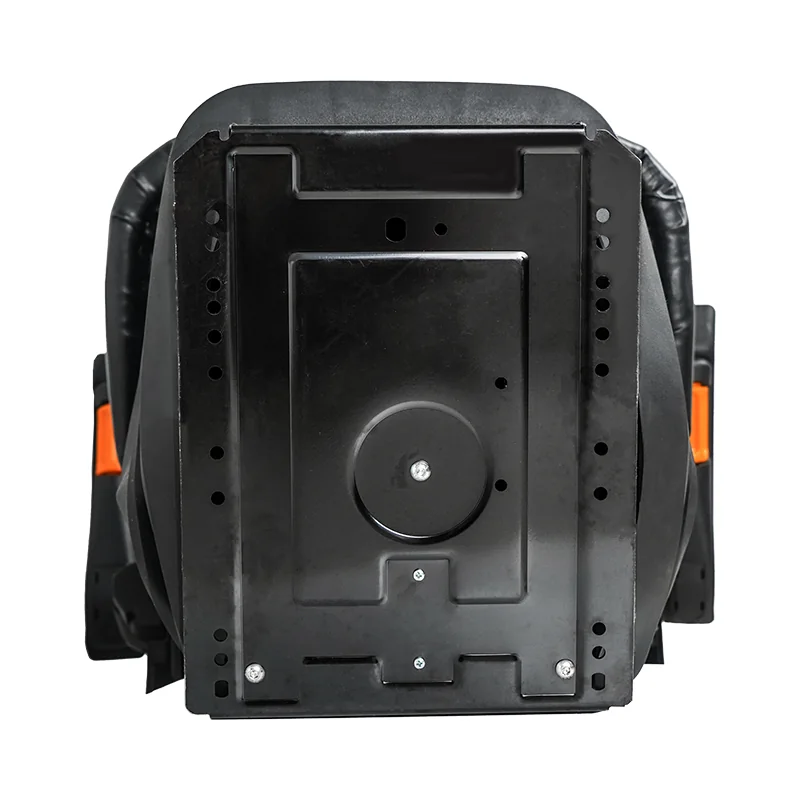
Sample seat undersides; the hole pattern is requested from the factory. For measuring a seat base against a model, see seat fitment and compatibility.
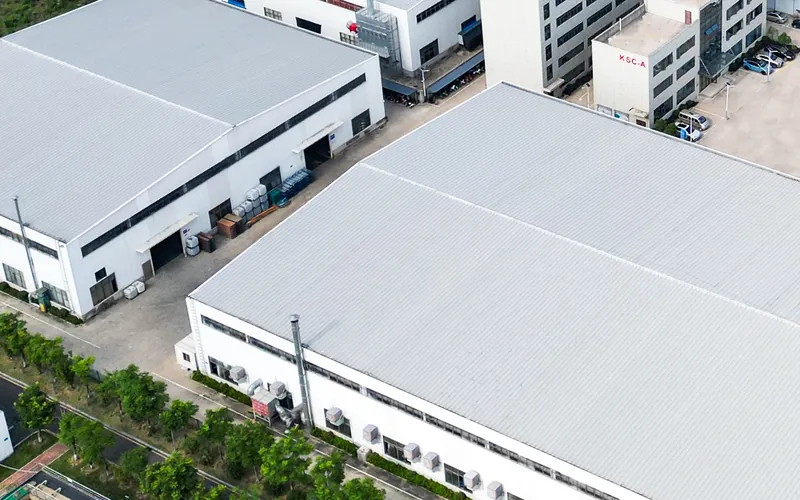
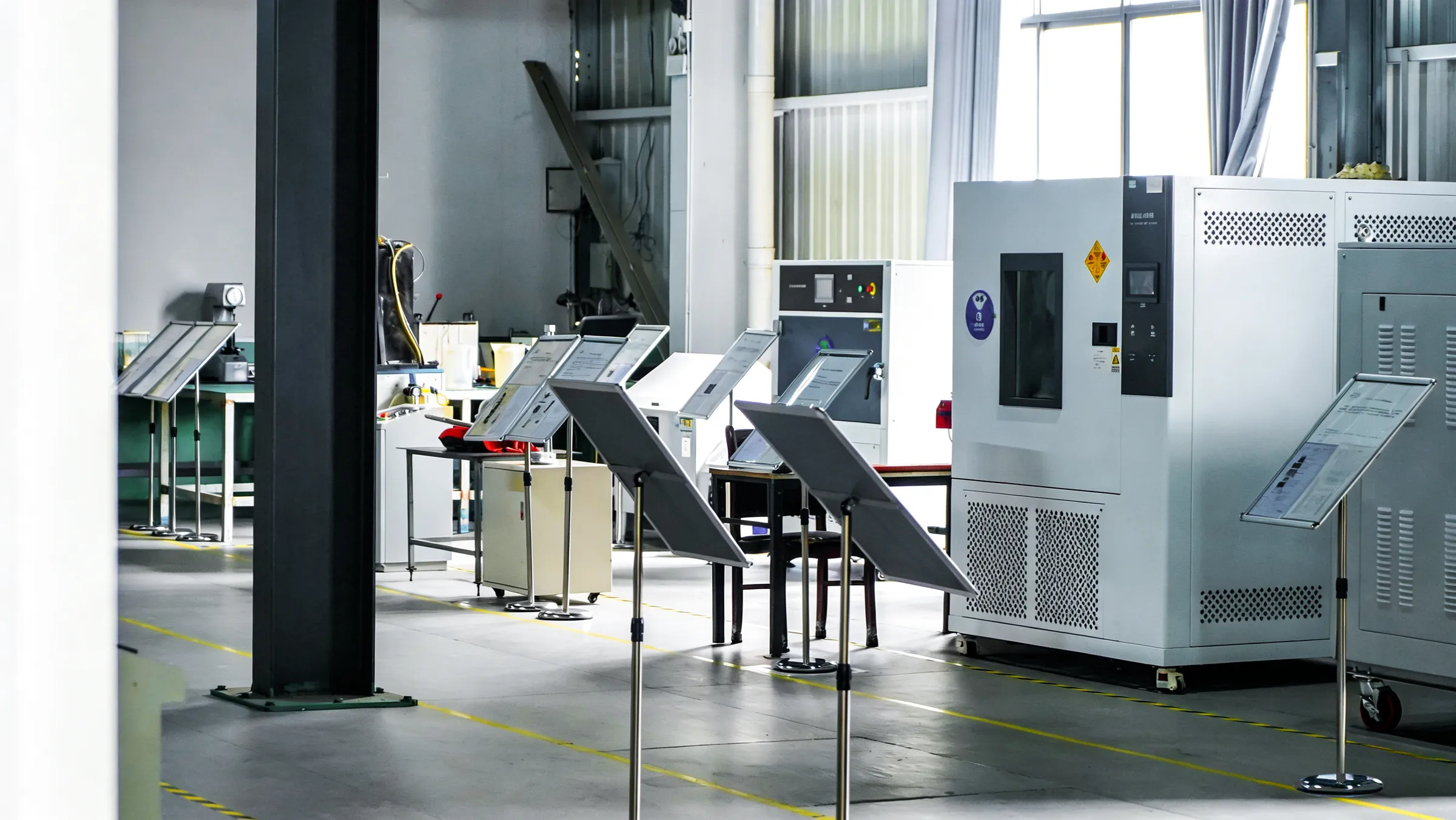
Air suspension seats are built in our own plant of 35,000 m² with 180+ employees. The testing center covers 300+ m² with 20+ devices and 30+ test items. Three checks apply to the seat:
How the air bag travel is tested is not on our published material, and the factory answers that question in the enquiry reply. No test values and no service life figures are published on this page.
The cushion and the backrest are formed by foam molding. Frames and base parts are precision stamped. The frame is joined in the robotic welding station. Assembly puts together the suspension, the slide rails and the options you chose.
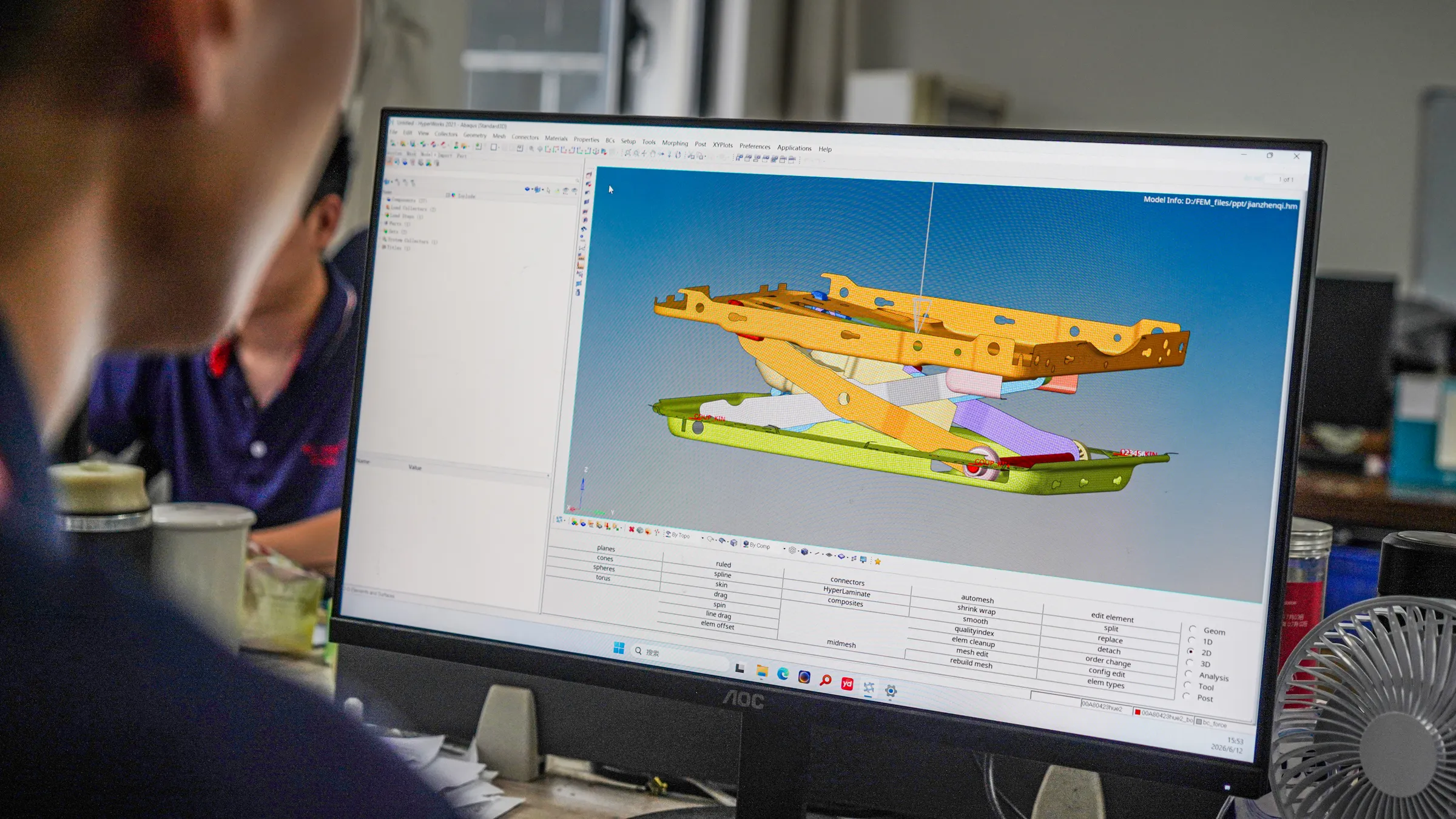
The seat frame goes through CAE structural analysis at the design stage.
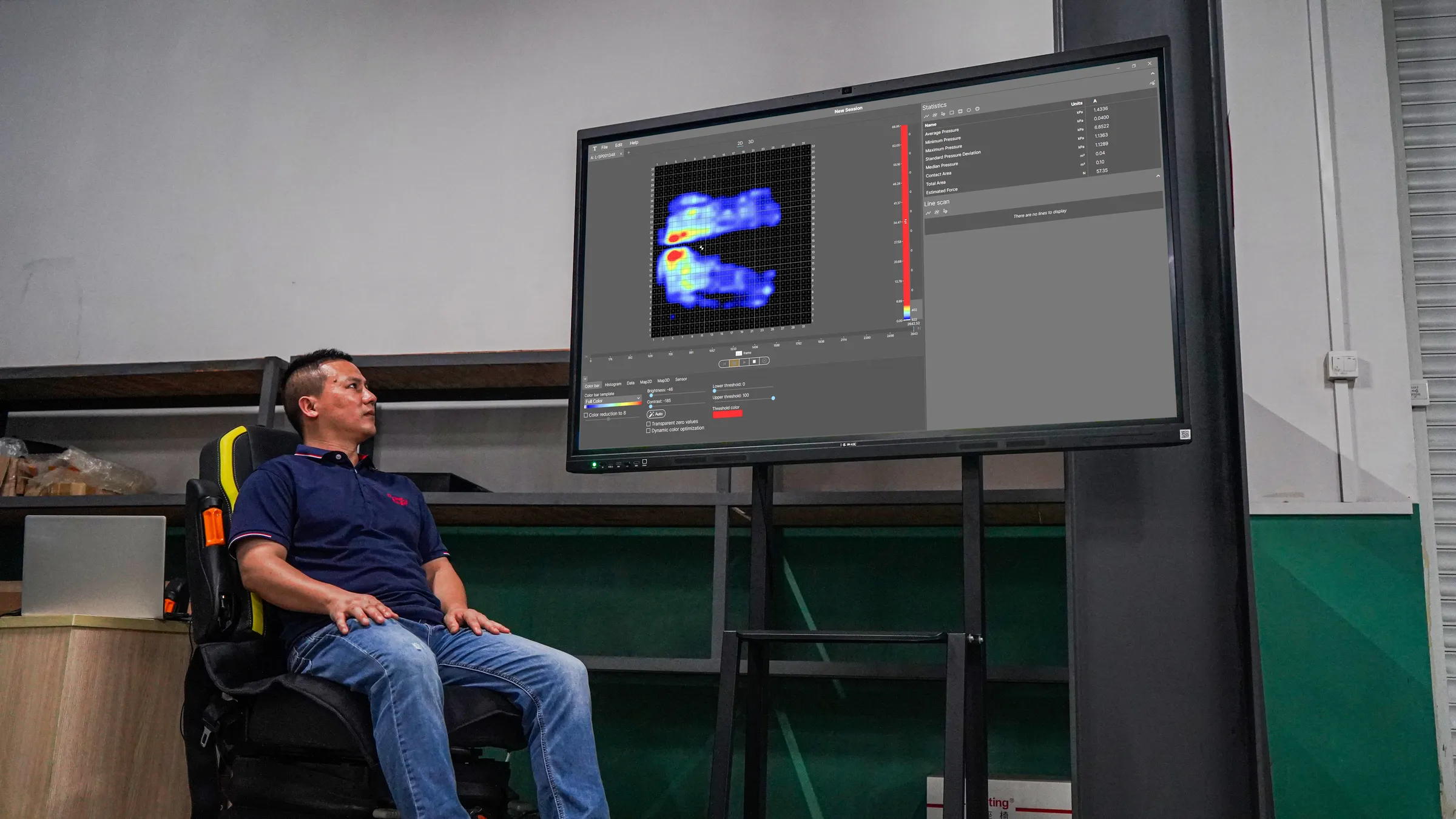
Pressure distribution testing of the seat cushion records how pressure spreads across the cushion while a person sits on it.
The MES covers research, purchasing, production, quality inspection, warehousing and delivery, so an air suspension seat follows the same record chain as every other seat we build. The plant is open to visits by appointment.
A machine builder puts the seat into the operator-station design, and three air-specific items go into that specification next to the usual mounting data.
The stroke the cab design allows: 80 mm for YJ03, 180 mm for KL03.
The 24 V feed at the seat position and the wiring that carries it.
The lightest and the heaviest operator the cab is specified for.
We reply with the model, the sheet figures and the items the factory confirms. Structure changes go through the research center.
A distributor or importer works from a machine in the workshop or a seat in the field. The enquiry set follows that order.
Distributors with a mixed fleet send one set per machine type. We reply per machine with the model and mark open figures. Wholesale and private label supply for the range is arranged on the same sheet as the model and options.
KL Seating works as an OEM and ODM seat manufacturer, building customized and modular seat systems for machine builders. The program covers the whole product line, and air suspension seats come into it through the same file as every other model.
The starting set is the cab drawing, the supply voltage, the travel and weight range the design needs, and the options and cover.
We fix the model against your drawing and mounting pattern, and structural changes go to the research center.
Wholesale and private label. A series is supplied as a set across the models you stock, and your own brand goes on the seat.
Bulk supply is arranged by series.
The full description of both programs is on the OEM and ODM page.
OEM and ODM seat manufacturerThree kinds of document go out with the reply. The YJ03 drawing states its technical data under the condition “without the power”.
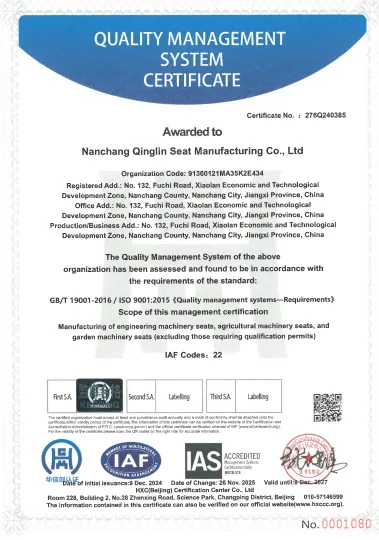
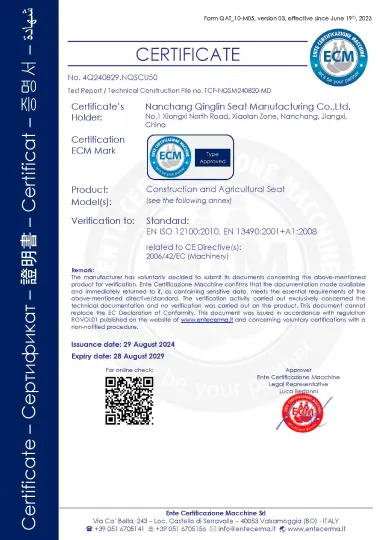 YJ03 air suspension tractor seatSpecification, 24 V check, drawing data and enquiry checklist for the 80 mm air bag model.
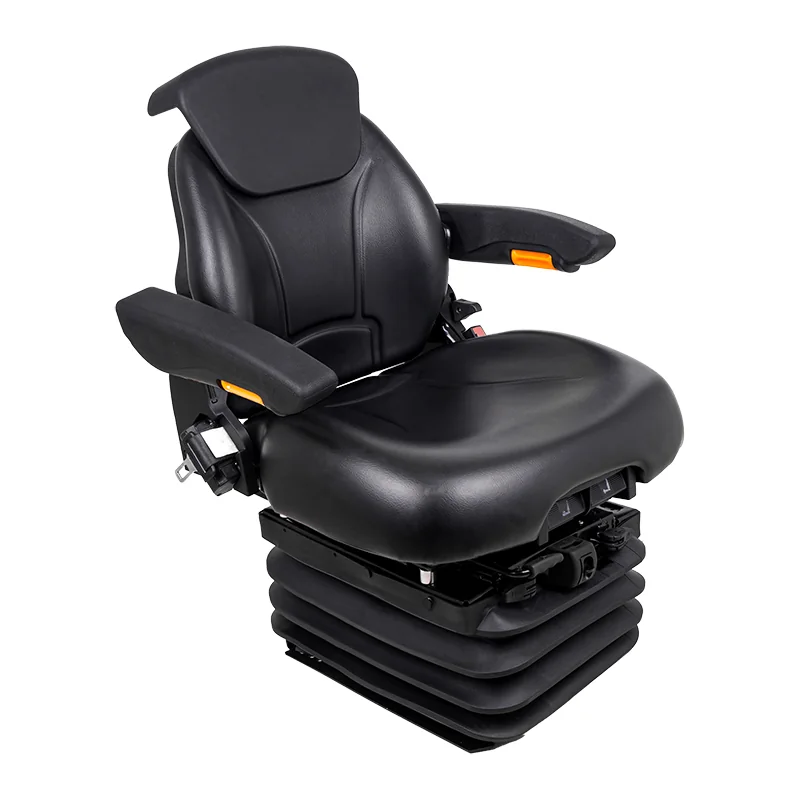 KL03 tractor seatThe 180 mm air model, seat depth steps, slide figures and items requested from the factory.
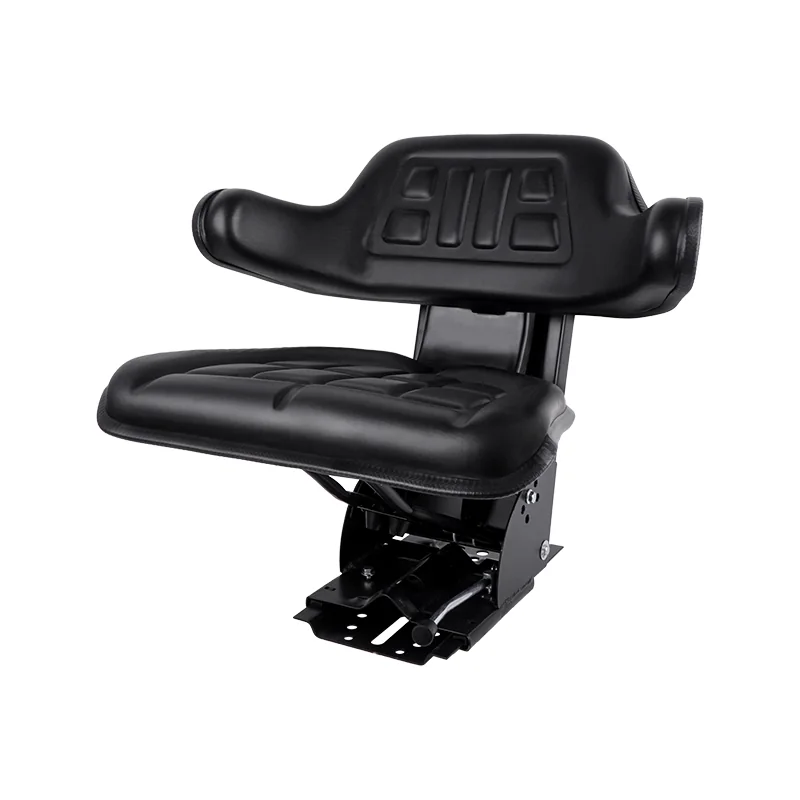 Tractor seatsAll three tractor models, YJ03, KL03 and YY08, in one table.
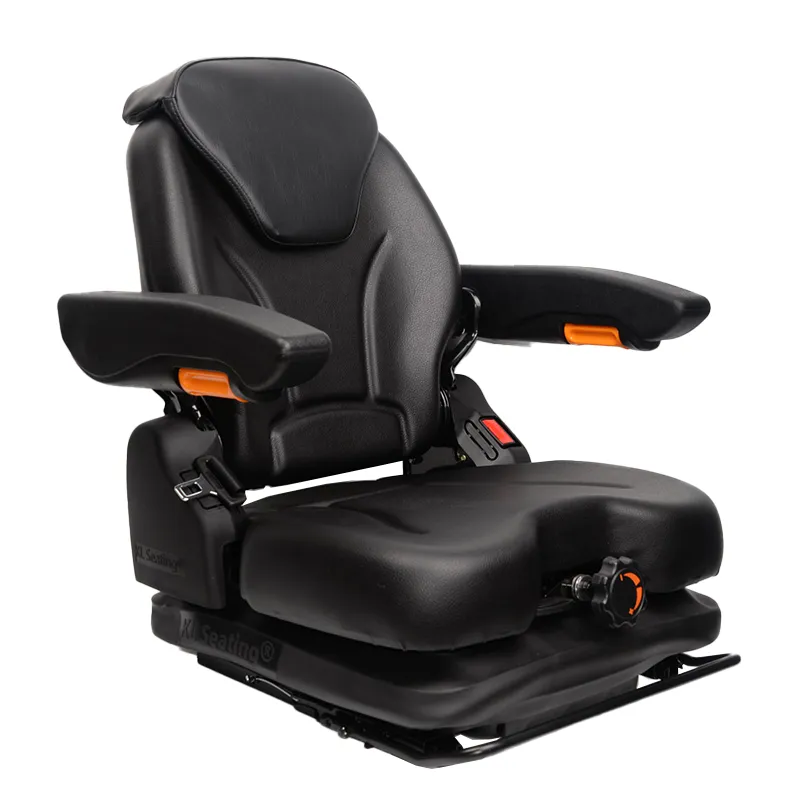 Suspension seatsEvery published suspension travel on one scale, air and mechanical.
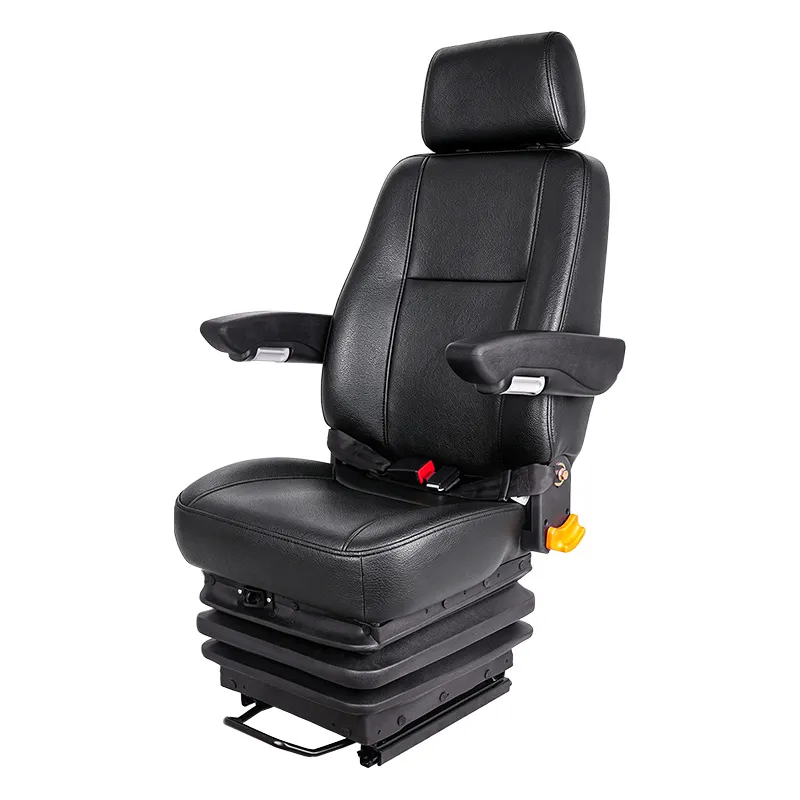 Construction machinery seatsThe series page for excavator, loader and roller seats.
Seat fitment and compatibilityMeasuring a seat base against a model.
Three figures select the model, and a photo of the seat position or the cab drawing goes with them. Say whether you are a machine builder, a distributor or an importer.
The reply gives the model, the figures that come from the parameter sheet and the figures the factory still has to confirm.
For OEM and ODM projects, state the program in the first line and add the drawing.
Email [email protected] or call +86 177 0272 7677. Put the supply voltage of your machine, your role and the seat photos in the first message, and the reply names the model. The enquiry form is also on the contact page.