KL Seating · YS15 excavator seat
YS15 Excavator Seat Manufacturer50–130 kg, 40–110 mm Travel and 176 mm Slide for Machine Builders and Distributors
KL Seating manufactures the YS15 excavator seat for machine builders that fit seats on new excavators and for distributors, importers and refit shops that supply replacement seats. The parameter sheet lists excavator, crane, construction machinery and bus among the machines it is made for. Every check below ends in something you can send to us.
- Own production lines for foam molding, stamping and robotic welding
- ISO 9001:2015, CE, RoHS and REACH certificates
- Send the excavator make and model, the operator weight range and the free space in the cab, or photos of the seat you want to replace
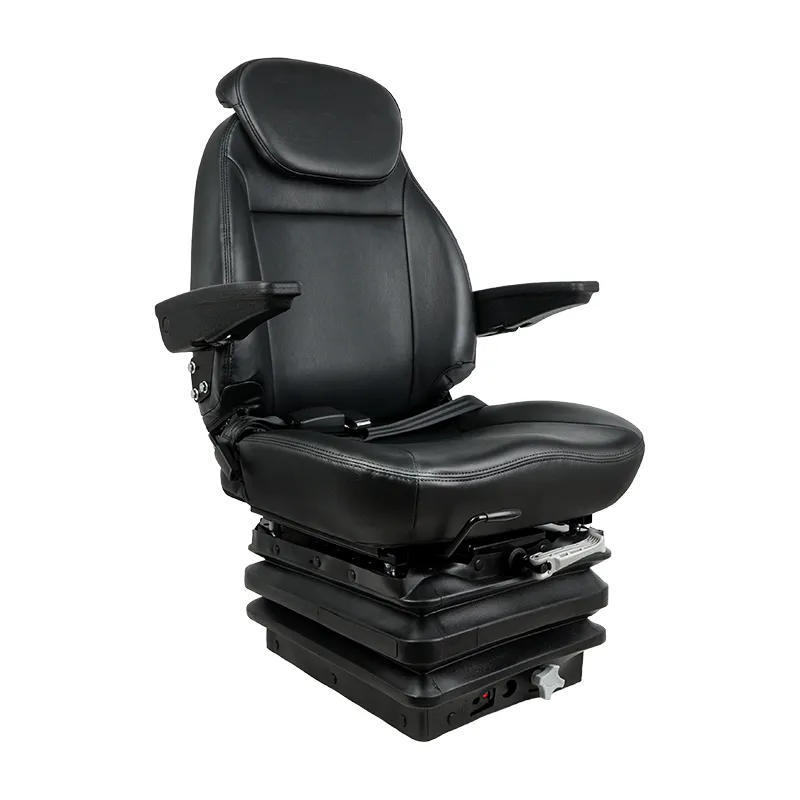
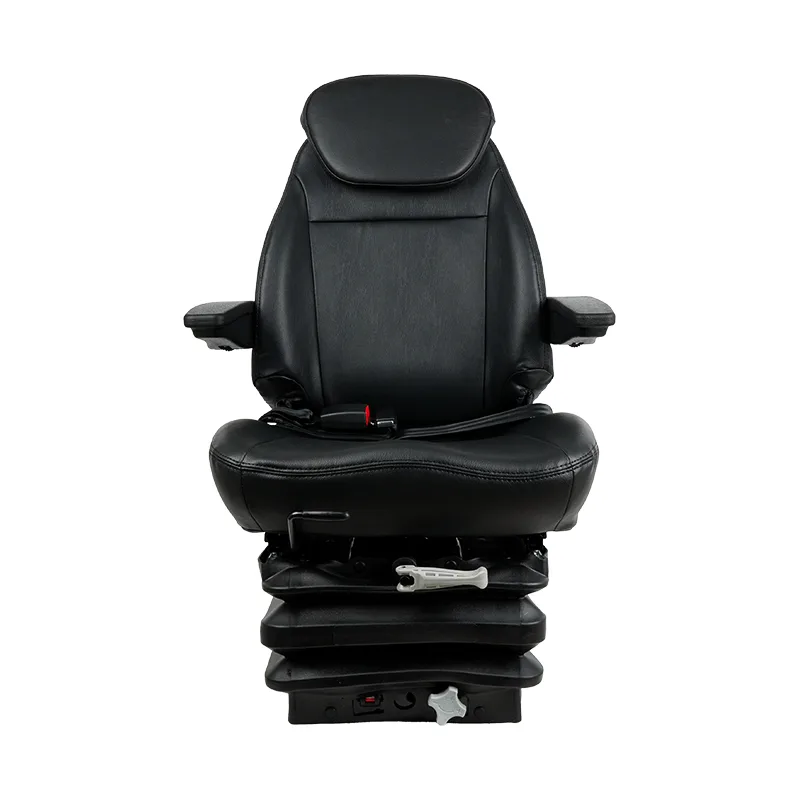
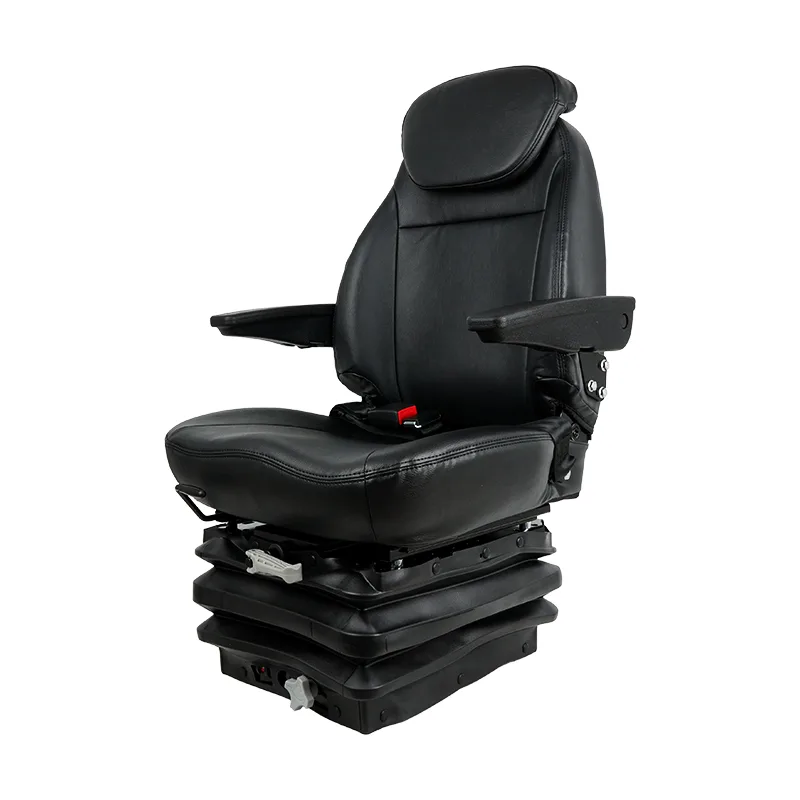
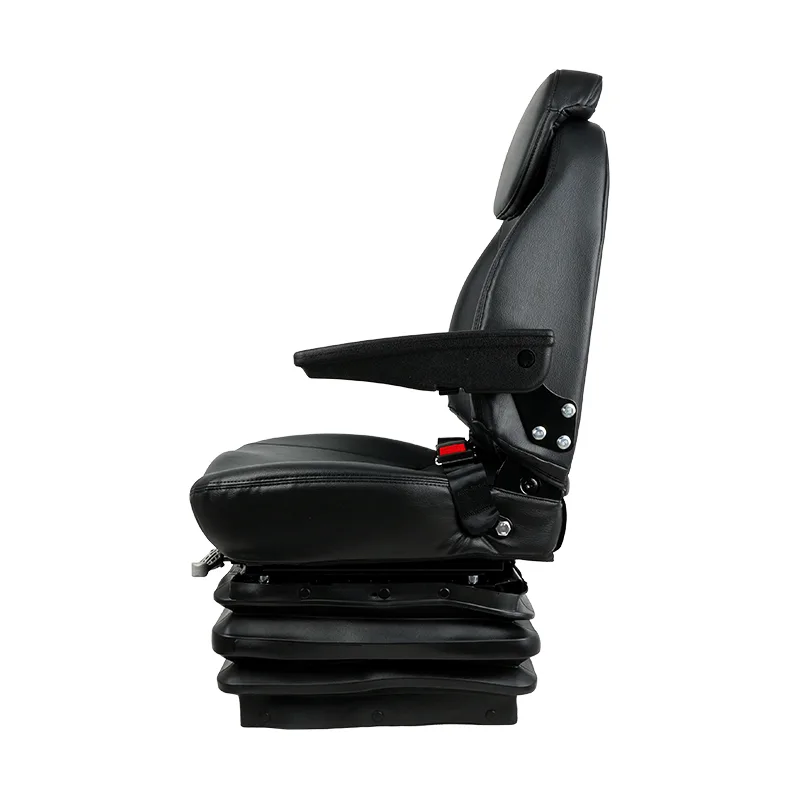
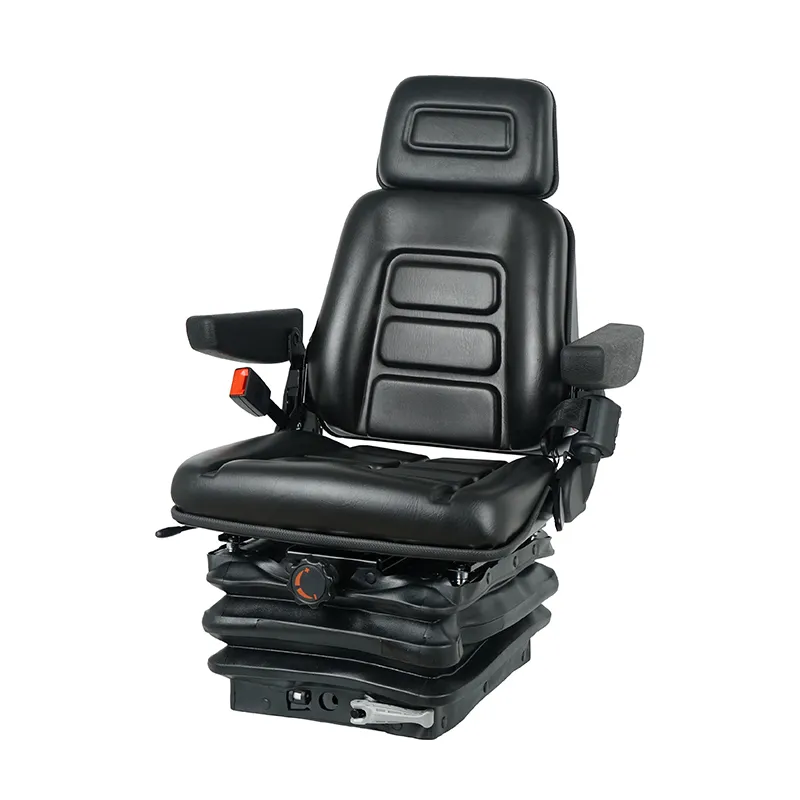
Seven Views of the YS15 Seat and What Each One Shows
The parameter sheet gives figures. These photos show the face of the seat each figure belongs to, so the check against your cab or your old seat starts from the right side. The seat appears with armrests and a seat belt in several of them; both are options on the sheet.
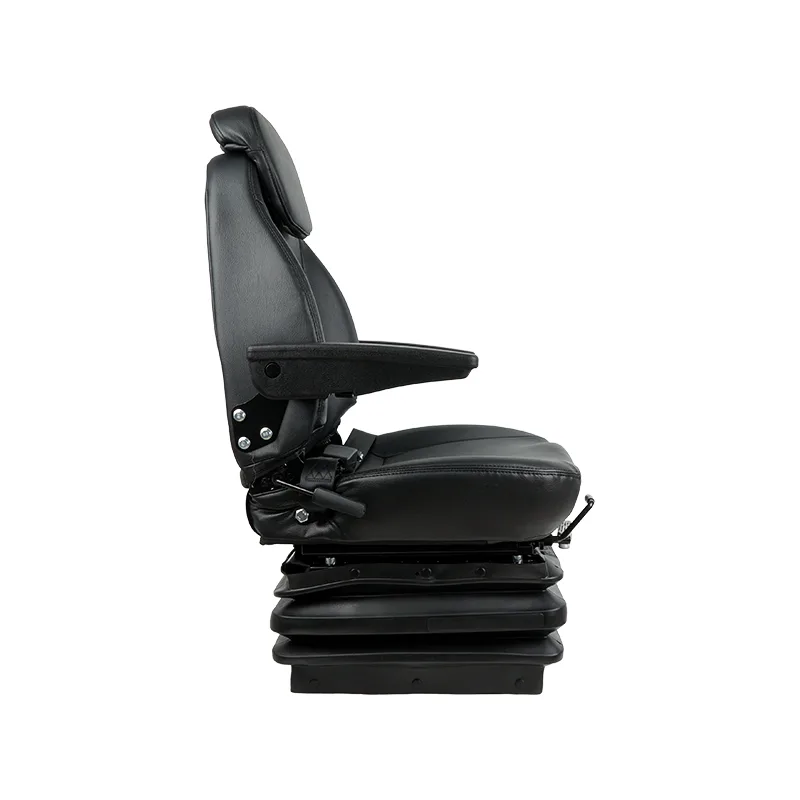
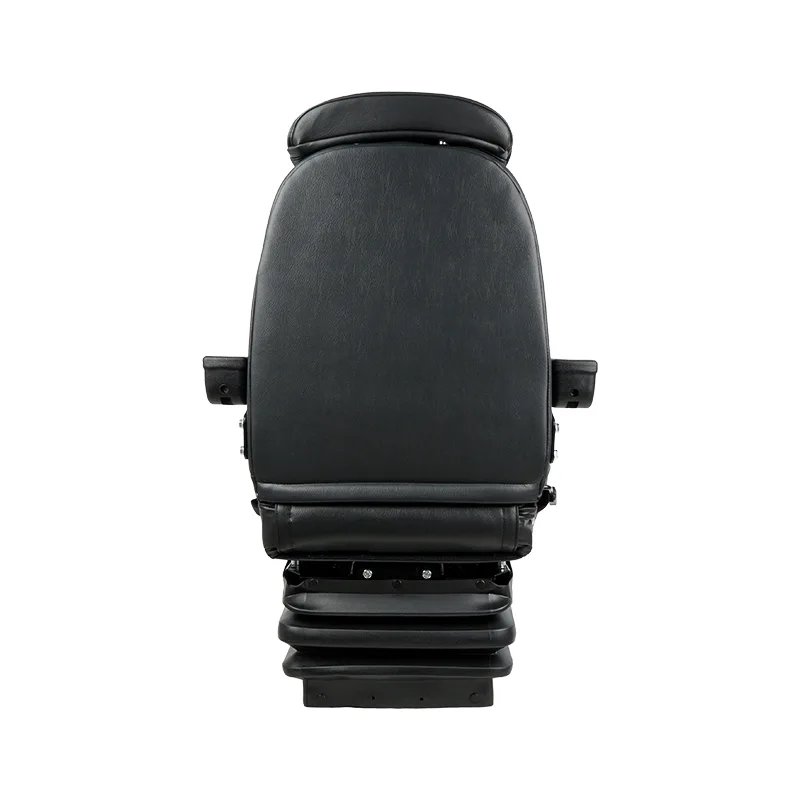
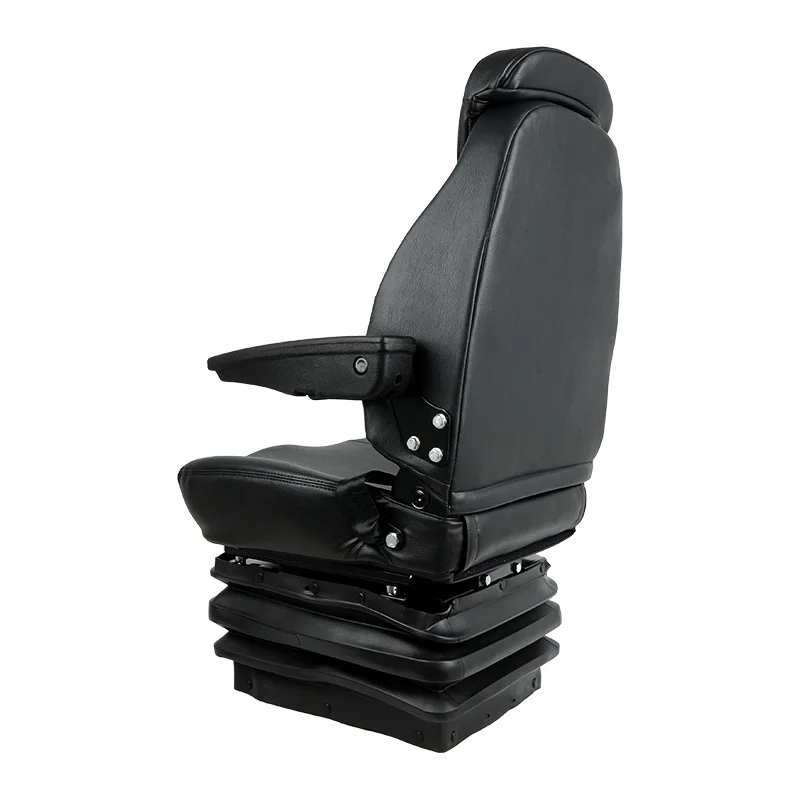 1
2
3
4
YS15 Specification Sheet: Weight, Travel, Slide, Backrest, Size and Cover
Machine builders confirm YS15 against the cab drawing. Distributors and refit shops confirm it against the old seat taken off the machine. In both cases the check runs on the same eight rows: the operator weight range, the suspension travel, the slide, the backrest sweep, the overall size, the cover, the options and the uses. Point at a row to light its mark on the seat.
| Item | YS15 | Hold it against |
|---|---|---|
| 1Weight adjustment | 50 to 130 kg | The lightest and the heaviest operator |
| 2Suspension travel | 40 to 110 mm | The cab specification or the old seat label |
| 3Fore-aft adjustment | 176 mm, 16 mm per step | Control reach at both ends of the operator height range |
| 4Backrest | 85° forward, 45° rearward, ±5° | The old seat backrest or the cab seating position |
| 5Overall size | 525 × 610 × 780 mm | Free space above the base, in front of the controls and behind the seat |
| 6Cover | Black PVC or fabric | Name the one you want in the enquiry |
| 7Options | Armrests, headrests, seat belts, electric lock | State the option set with the model |
| 8Uses listed on the sheet | Construction machinery, crane, excavator, bus | Your machine type |
The product brochure page for YS15 carries the same figures as the sheet. The suspension type, the base hole pattern and the way the weight is set are not on the sheet and come from the factory, as set out in the open items below.
YS15 Against YS2-8, YQ40 and YQ50 on the Parameter Sheet
One table, four models, five rows. A row says "not published" where the parameter sheet of that model does not carry the figure, and we do not fill the gap from another model.
| Item | YS15 |
 YS2-8 |
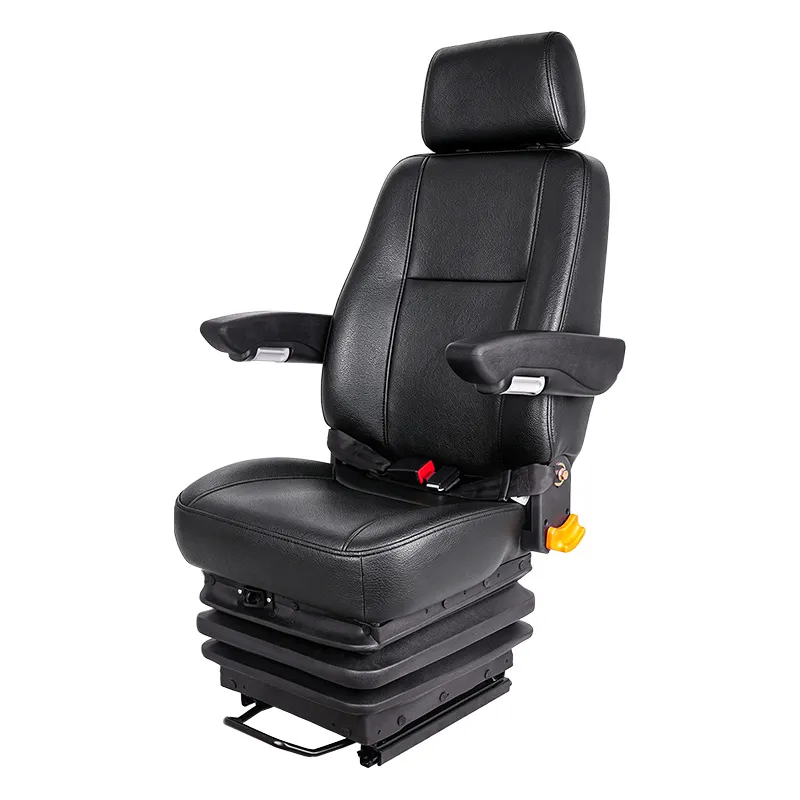 YQ40 |
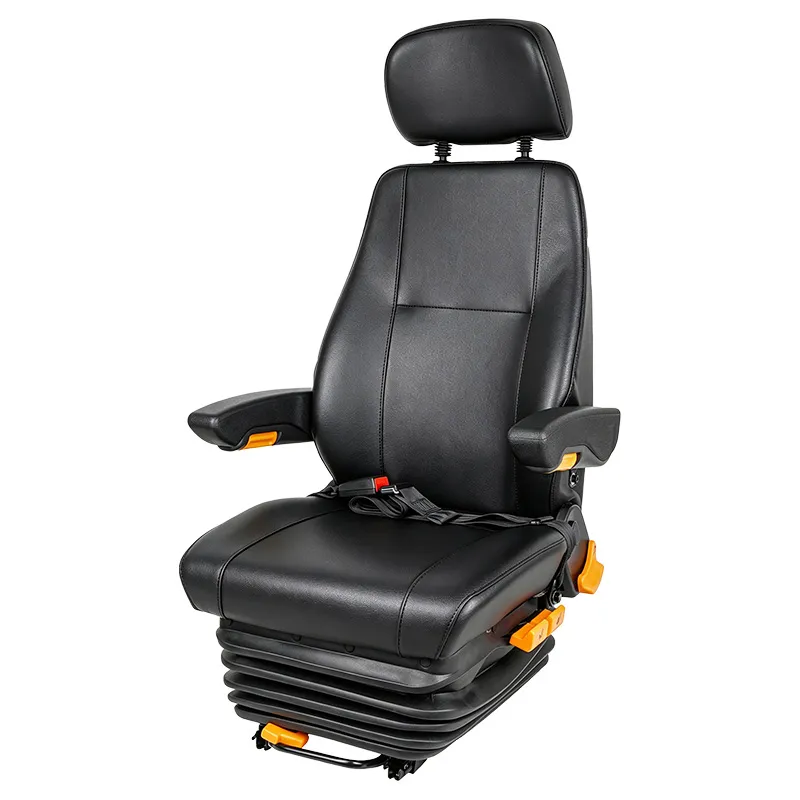 YQ50 |
|---|---|---|---|---|
| Weight adjustment | 50–130 kg | 50–120 kg | not published | not published |
| Suspension travel | 40–110 mm | 40–110 mm | not published | not published |
| Fore-aft adjustment | 176 mm, 16 mm steps | not published | 120 mm forward, 110 mm rearward, 23 positions | 120 mm |
| Backrest | 85° / 45° (±5°) | Forward fold, 27.5° rearward | 80° to 121° | 30° to 60° |
| Electric lock | Option | Option | not listed | not listed |
YS15 or YS2-8
YS15 and YS2-8 share the 40 to 110 mm travel. YS15 reaches 130 kg where YS2-8 stops at 120 kg, and the sheet publishes a slide for YS15 but not for YS2-8. If your operators go up to 130 kg or your cab needs the 176 mm slide, YS15 is the model on this pair.
When YQ40 decides
YQ40 is the seat to look at when the slide and the backrest range decide the choice. The YQ40 heavy machinery seat supplier page carries its figures.
Where YQ50 stands
YQ50 is described by its drawing for height control and weight setting. The parameter sheet of each model is the reference, and the reply compares them on the figure you name.
Selection Check: Operator Weight 50–130 kg and Suspension Travel 40–110 mm
The two figures that carry the YS15 selection are the weight range and the suspension travel. Both are published on the parameter sheet, which makes them the first two items to put next to your own machine data.
The model is confirmed
It names YS15, attaches the parameter sheet and the drawing, and lists the factory's answers on suspension type and weight setting.
Confirmed with options
It adds the option set you named, armrests, headrests, seat belts or an electric lock, to the model line.
The enquiry moves to a comparison
It sets YS15 against one or two other models from the line on the figure that did not match, so the buyer's engineer reads the difference in one place.
Weight and travel are the first two lines of the check and the cab fit in the next section is the third. When all three agree, the order is placed against the parameter sheet.
Machine fit: Excavator, Crane and Bus on the Parameter Sheet
- Construction machinery
- Crane
- Excavator
- Bus
The parameter sheet lists these four uses for YS15. Excavator is the use this page is written around, and the excavator seat manufacturer page sets YS15 beside YQ40 and YQ50.
The sheet gives no split of YS15 across wheel loaders, backhoe loaders, road rollers and skid steer loaders. For those machines, and for any excavator size, the model comes from the reply to your enquiry. Send the machine make and model with photos of the seat position, and we reply with the model that matches. The reply may name YS15 or another seat from the line.
Cab Fit Check: Slide, Backrest Angle and Overall Size
The cab fit check turns the sheet figures into a yes or no against the free space where the seat sits. It has three parts, and each part is done from the document you already hold.
Send the three results with the model of the machine and the reply says whether YS15 fits. The seat fitment compatibility guide for machine builders and distributors lists what to measure on the machine before the first message, and the same list serves for the three checks above.
5Overall size
The cab drawing or a tape measure gives the free space above the base, in front of the controls and behind the seat. The engineer checks that the seat envelope sits inside the free space in all three directions, with the seat in the position the operator uses most.
3Slide
The check is whether the operators who use the machine reach the controls at both ends of their height range. For a machine builder this is a question for the cab layout. For a distributor it is a comparison between the slide on the old seat and the slide on YS15. If the old seat slides less, YS15 covers the old range. If the old seat slides more, the 176 mm figure is the one to put in the reply.
4Backrest
The backrest sets 85° forward and 45° rearward within ±5°. The rear angle matters where the operator turns to look at the working area, and the forward angle matters in the working posture. Both angles are compared with the old seat's backrest range or with the seating position the cab was designed for. The sketch shows the two directions only, not the angles to scale.
Mounting Data: Base Hole Pattern Request and 3D Scan Fit Check
The parameter sheet does not carry a base hole pattern for YS15. The hole pattern is requested from the factory and goes out with the drawing, so the reply to your enquiry holds the two documents that the mounting check needs.
Machine builder: lay the drawing over the cab
- Request the YS15 drawing with the first enquiry.
- Lay it over the base hole pattern in the cab drawing.
- Confirm that the holes line up and send the result back.
Distributor or refit shop: measure the old seat
- Measure the distance between the mounting holes on the old seat.
- Photograph the underside, which shows the mounting rails and the hole layout.
- Send the measurement and photos; the reply compares them with the YS15 drawing.
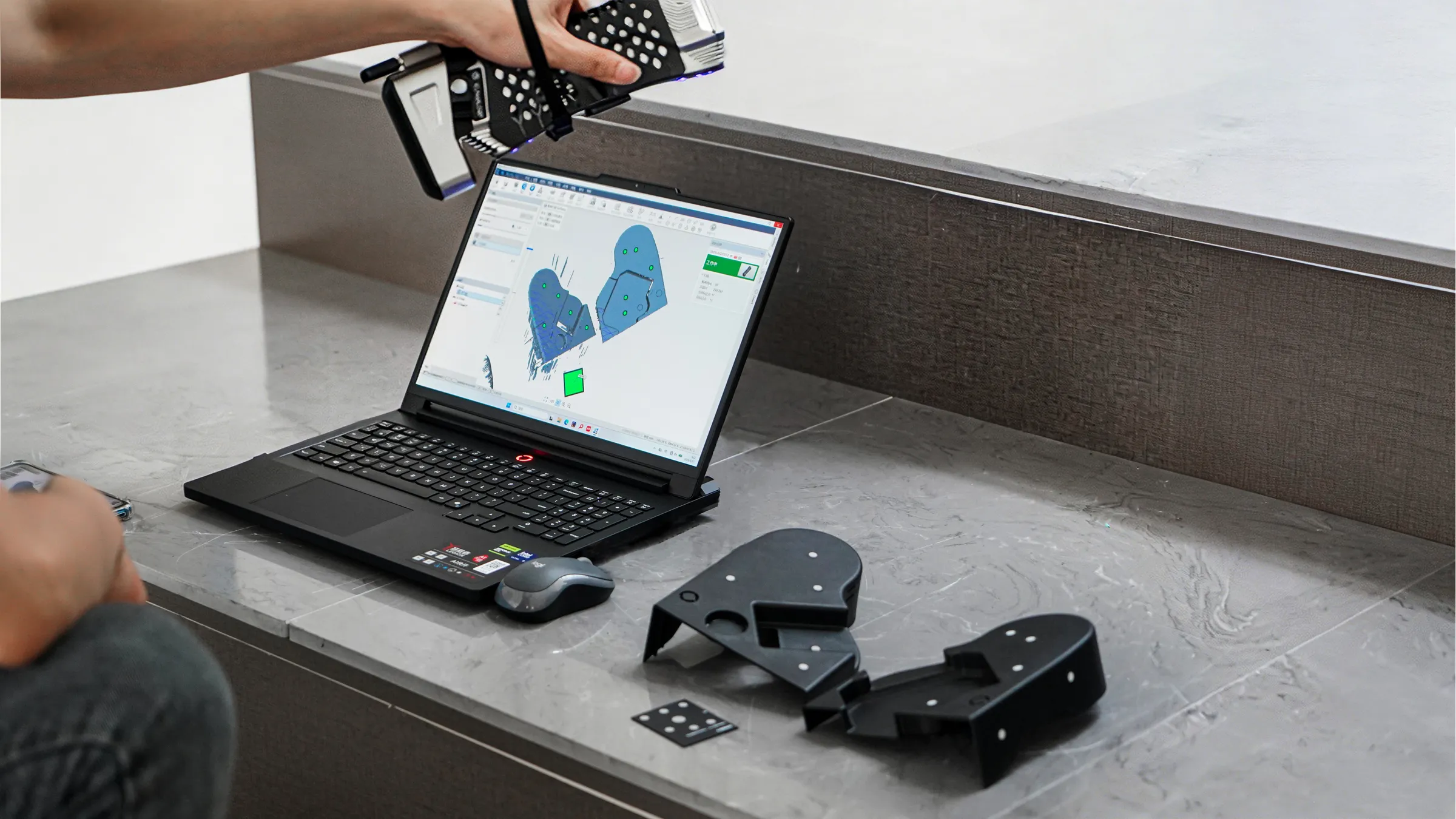
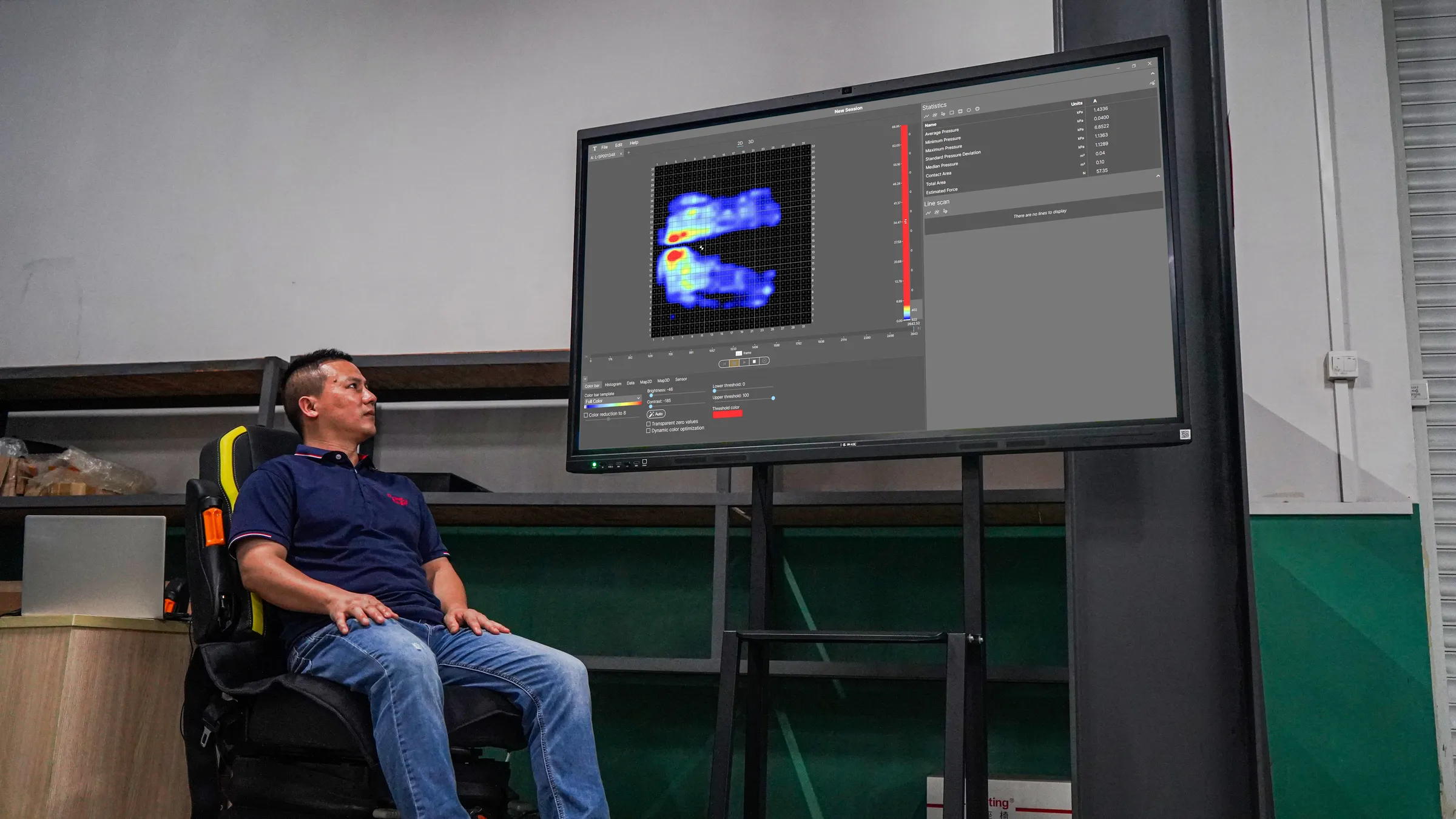
At the factory, 3D scanning checks the base hole positions and the frame outer dimensions, and the result goes back to you against the model parameter sheet. This is the step that ties the sheet figures to the physical frame, and the engineer reads it with the drawing.
If the hole pattern does not match, the reply says so and the options are a different standard model or a custom change through the OEM and ODM seat manufacturer programs.
Four Items the Parameter Sheet Leaves Open
The sheet does not state the suspension type. It also does not state how the suspension travel is set or how the seat is adjusted to the operator's weight, and it carries no base hole pattern. These items are requested from the factory, and they arrive in the enquiry reply together with the parameter sheet.
Suspension type
Requested from the factory and sent in the reply text.
How the suspension travel is set
Requested from the factory and sent in the reply text.
How the seat is adjusted to the operator's weight
Requested from the factory and sent in the reply text.
Base hole pattern
Requested from the factory and sent with the drawing.
All four reach you with the parameter sheet and the drawing, so the order is placed against complete documents.
Options and Cover: Armrests, Headrests, Seat Belts and Electric Lock
YS15 is ordered with a cover in black PVC or fabric. Armrests, headrests, seat belts and an electric lock are the options on the sheet. Orders state the option set with the model, so the first reply carries the model and its options on one line.
The seat accessories page lists the full accessory range of the factory.
Check Your Figures Against the YS15 Sheet in One Pass
Type the figures you hold. Each line is compared with the sheet value only: 50 to 130 kg, 40 to 110 mm, 176 mm, 525 × 610 × 780 mm. Nothing is sent from this panel; the button at the end opens an email with your figures in it.
Leave a field empty to skip that line. The result states whether a figure is inside or outside the sheet; the reply to your enquiry compares other models on any line that falls outside.
Weight
Travel
Free space
Slide
Documents Sent With a YS15 Enquiry: Parameter Sheet, Drawing and Certificates
The YS15 parameter sheet
Purchasing orders against it. It is the reference for every figure on this page.
The YS15 drawing
The engineer reads the hole pattern and the envelope on it. If a figure on the drawing differs from the sheet, the sheet governs, and the reply says which values are affected.
The factory's answers on suspension type and weight setting
These come in the reply text.
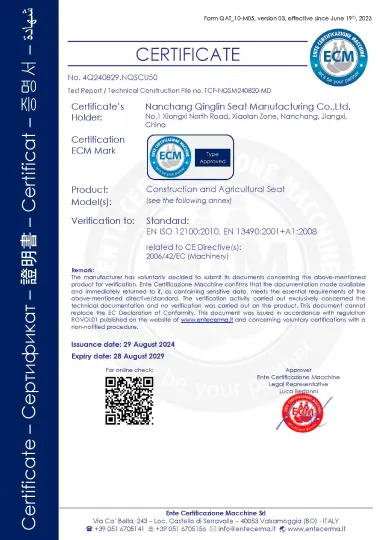
Copies of the ISO 9001:2015, CE, RoHS and REACH certificates
The quality department files them with the supplier record. The certificate numbers are on the copies and not on this page.
Open a thumbnail to see the certificate copy. RoHS and REACH copies come with the enquiry reply.

Enquiry Checklist for YS15: Copy the Set That Matches What You Hold
Each line is something the first reply can use. Tick what you have, copy the list into an email to [email protected], and the reply names the model.
Machine builders, engineering and purchasing
If you hold the cab drawing
Distributors, importers and refit shops
If you hold an old seat

The Factory That Builds and Checks the YS15
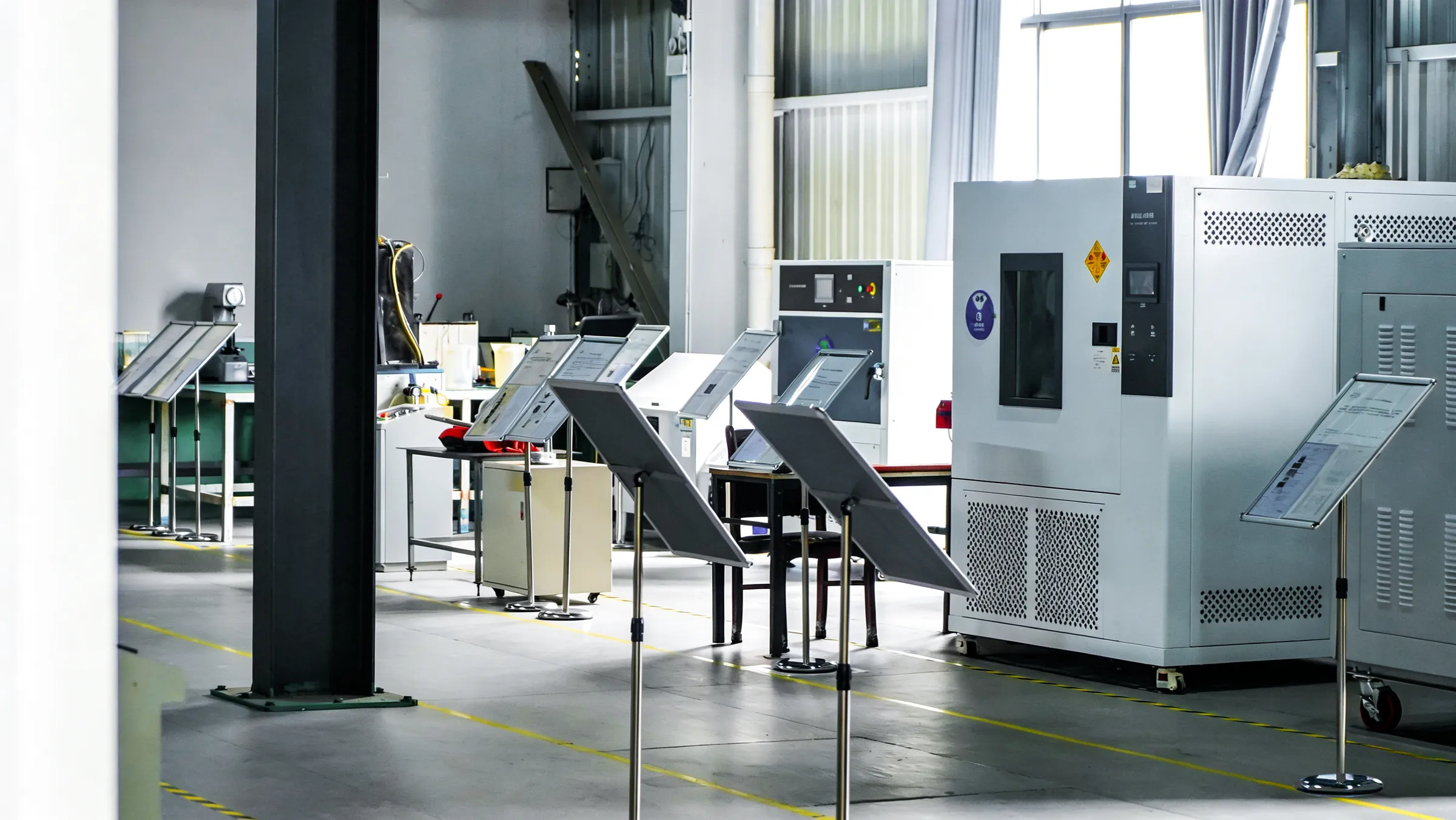
KL Seating makes the YS15 on its own production lines for foam molding, stamping and robotic welding. At the factory, 3D scanning checks the base hole positions and the frame outer dimensions, and the result goes back to you against the model parameter sheet. The documents that travel with the model are the parameter sheet, the drawing and copies of the quality certificates.
- ISO 9001:2015
- CE
- RoHS
- REACH
Related Models and Pages for YS15 Buyers
Excavator seat manufacturer: YQ40, YQ50 and YS15
The excavator range for machine builders and distributors.
Open pageConstruction machinery seat manufacturer range
YL02, YQ40, YQ50, YS2-8 and YS15.
Open page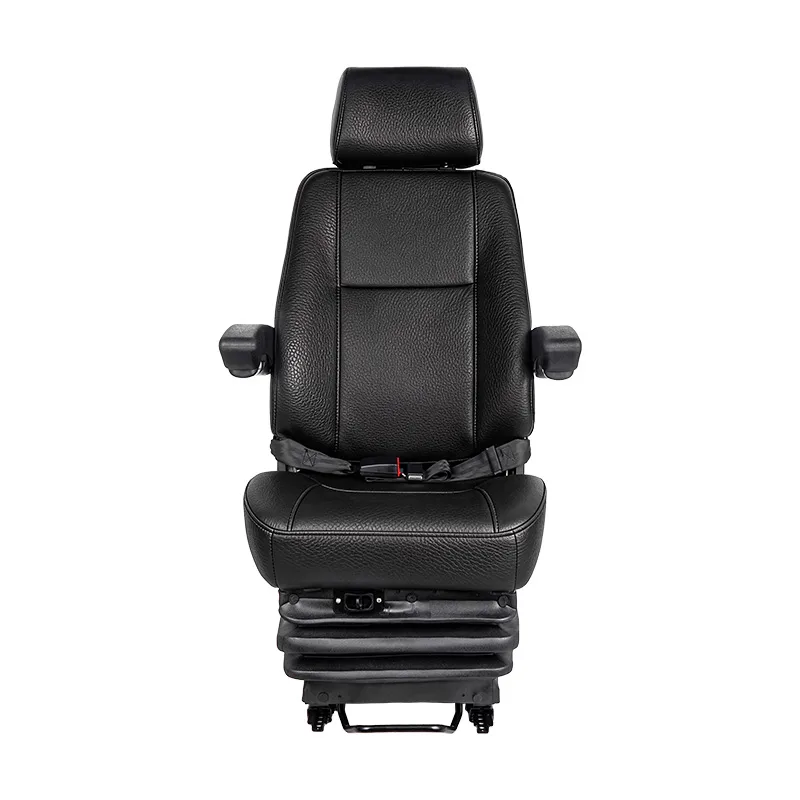
YQ40 heavy machinery seat supplier
The seat to look at when slide and backrest range decide.
Open pageSeat fitment compatibility guide
What to measure on the machine before the first message.
Open page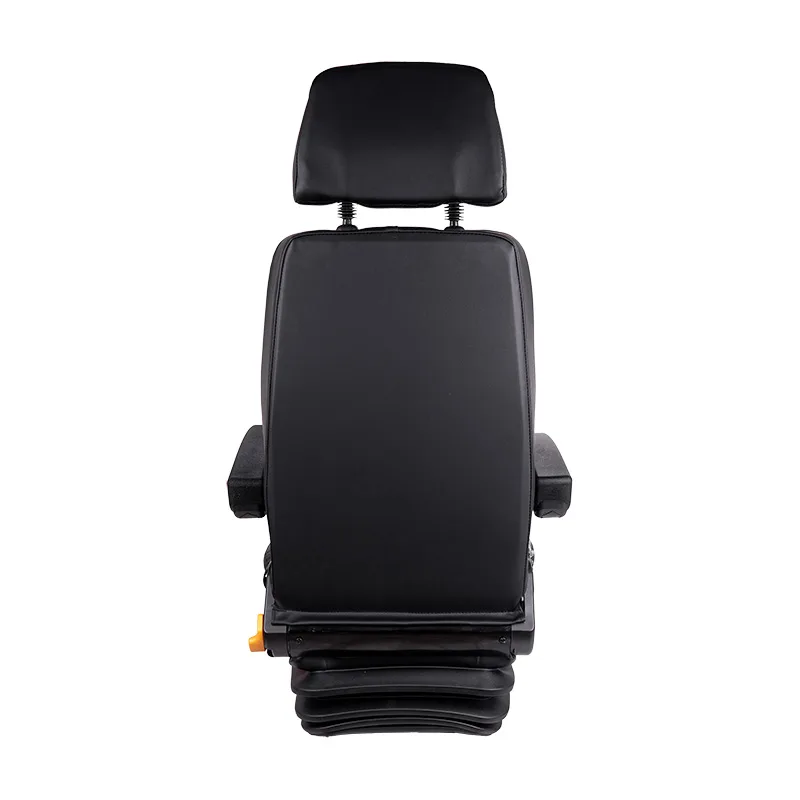
OEM and ODM seat manufacturer programs
From a standard model to a customer drawing.
Open pageContact page
The enquiry form for the YS15 excavator seat manufacturer.
Open pageGet the YS15 Sheet and Drawing for Your Machine
One message with the machine and what you hold brings the model, the sheet and the drawing back together.
Send the Excavator Make and Model
Send the excavator make and model, the operator weight range and the cab drawing details or the photos of the old seat. We reply with the confirmed model, the YS15 parameter sheet and the drawing. The contact page for the YS15 excavator seat manufacturer has the enquiry form.
Reach us directly
What to include
- Excavator make and model
- Operator weight range, lightest and heaviest
- Cab drawing details, or photos of the old seat