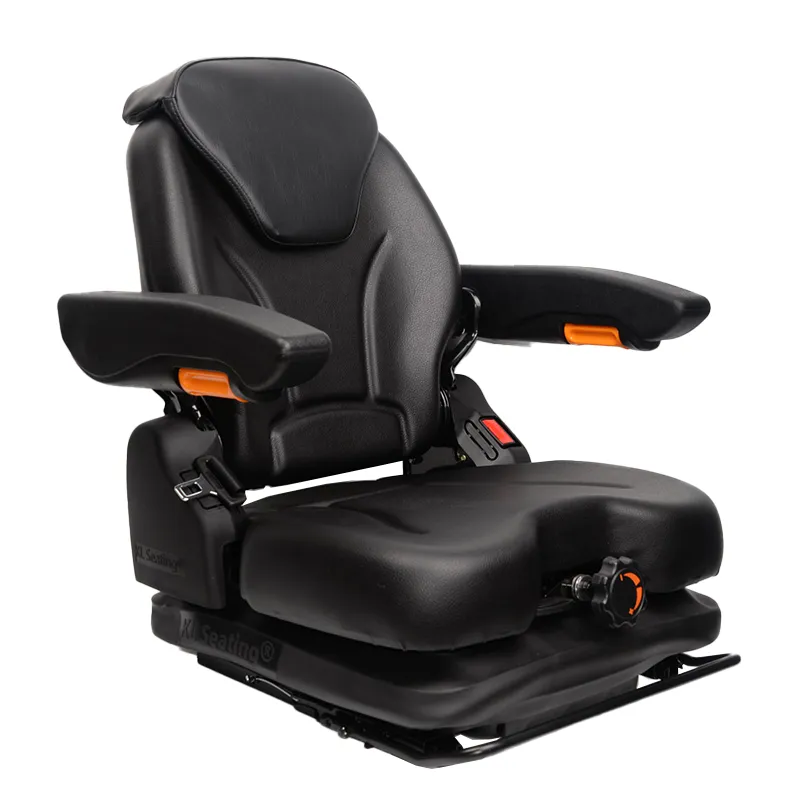
 KL01 · Mechanical suspension
- 50–130 kgoperator weight setting
- 50 mmmechanical suspension travel
- 160 mmfore-aft, 80 forward and 80 rearward
- 3 linesown foam molding, stamping and welding
- 4 certsISO 9001:2015, CE, RoHS, REACH
KL01 Forklift Seat Supplierfor Forklift Builders and Distributors: Slide, Suspension and Mounting Check
Who it is for
Forklift builders and truck converters that fit a seat on every truck they build or rebuild, and distributors and importers that stock replacement seats for trucks in service.
What is checked
Builders check KL01 against the truck drawing; distributors check it against the seat that came off the truck. Both use the same four items: slide each way, travel up and down, backrest recline and whether the base meets the floor plate. Armrests, headrests, seat belts, an electronic lock and slide rails are options.
What to send
The truck model, the operator weight range and the free space around the seat, or photos of the old seat. The reply carries the KL01 parameter sheet and a fit confirmation.
KL01 Specification Sheet: Weight, Travel, Slide, Backrest, Cover and Carton
Every figure on this sheet is the factory's own. Purchasing is placed against it, and items it does not publish are left open, not filled in from other models. Solid rings mark published values.
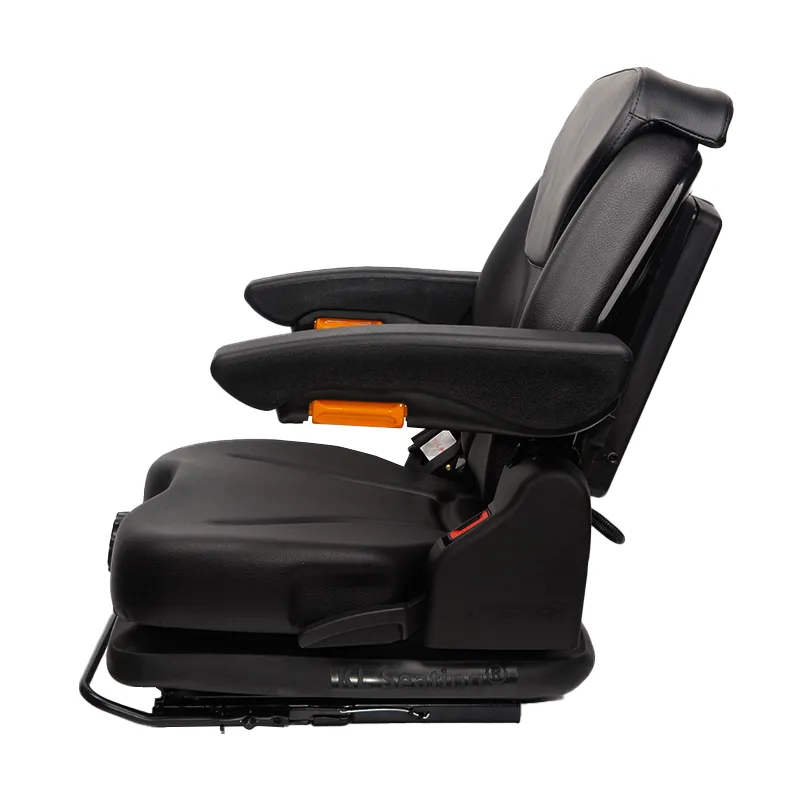
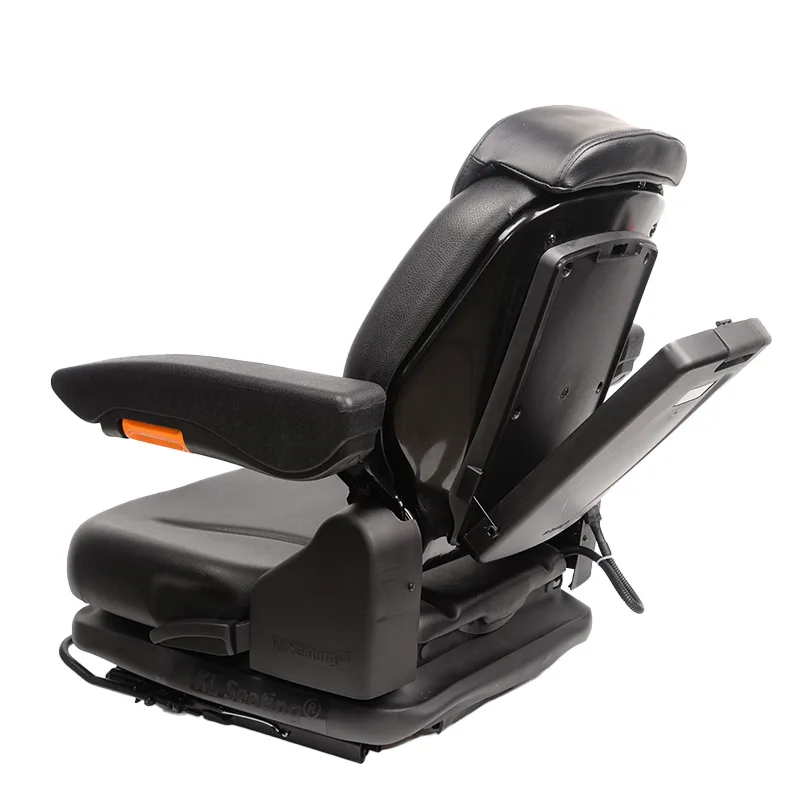
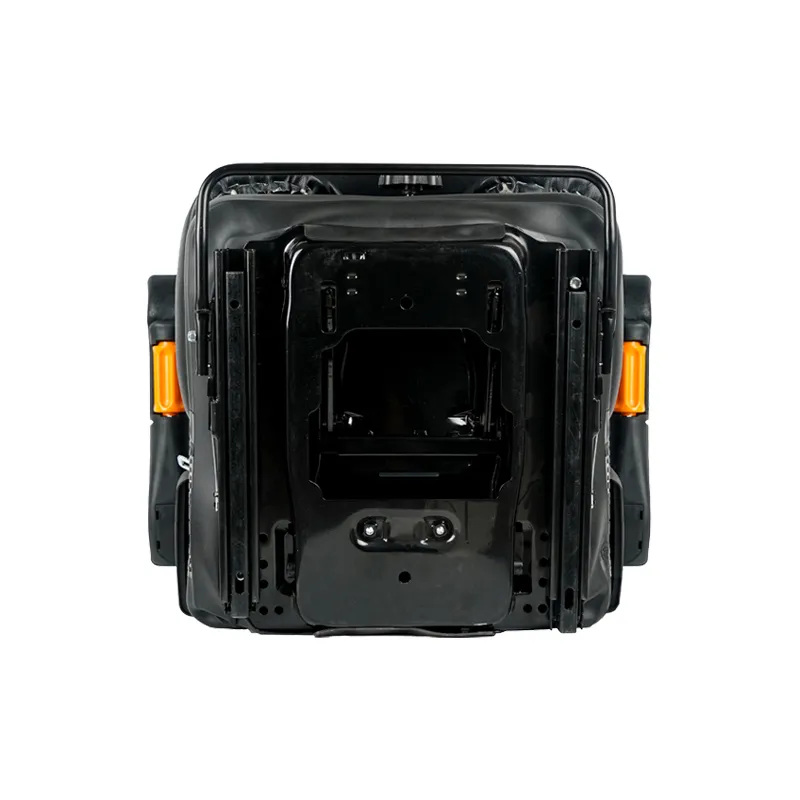
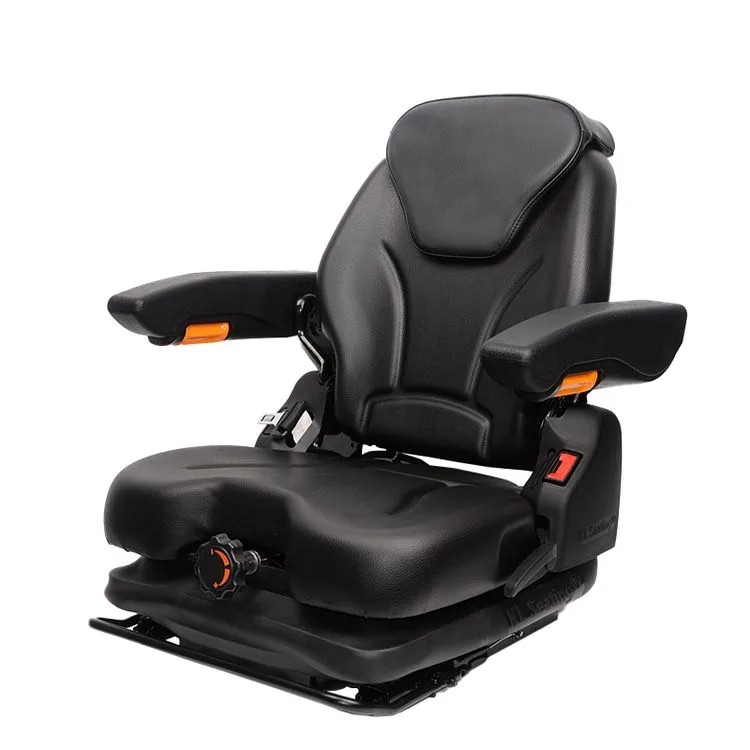
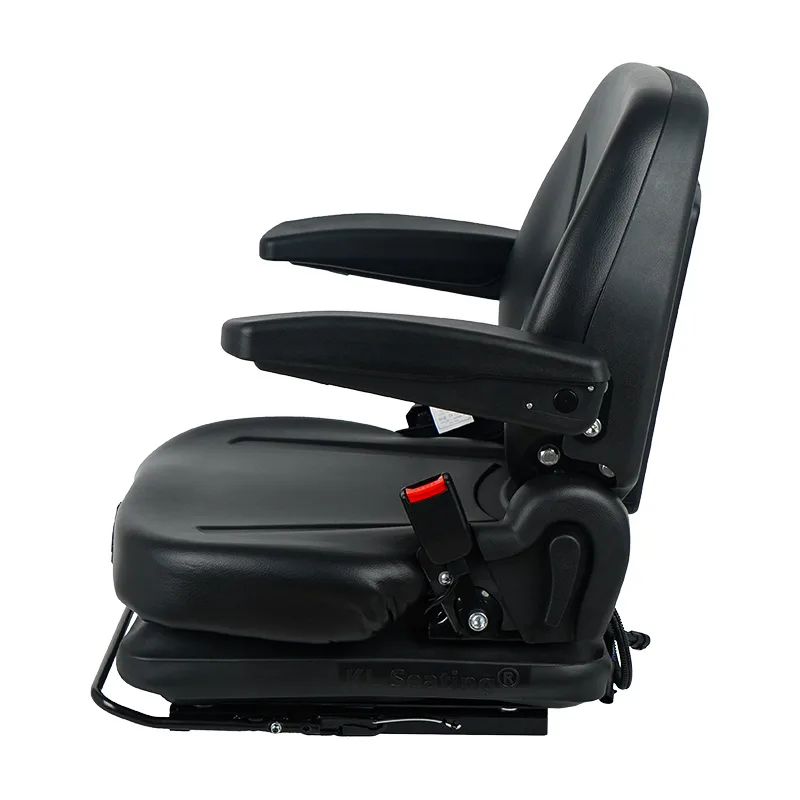
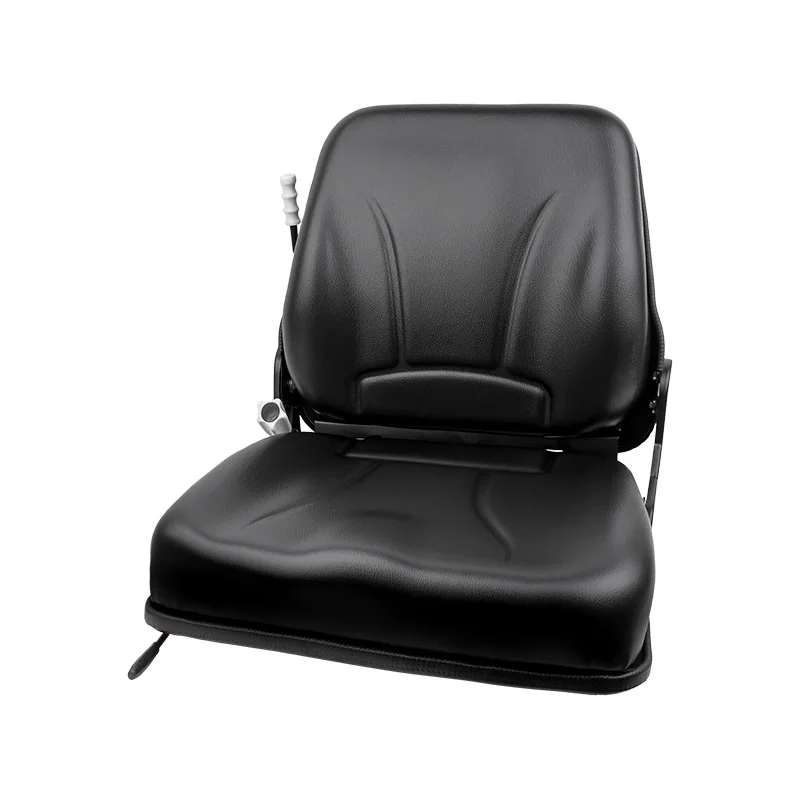
| Forklift seat, mechanical suspension | |
| 50 to 130 kg | |
| Suspension travel | 50 mm |
| 160 mm, made of 80 mm forward and 80 mm rearward | |
| Backrest adjustment | 15° to 130° |
| Cover | PVC or fabric |
| Options | Armrests, headrests, seat belts, electronic lock, slide rails |
| Carton | 60 × 52 × 42 cm |
| OEM | Accepted |
Not on the sheet: overall seat dimensions, seat weight, seat height at the weight setting and mounting-hole spacing. The factory sends them with the enquiry reply, listed against the model number, ready to put beside the truck drawing.
- Overall dimensions
- Seat weight
- Seat height at the weight setting
- Mounting-hole spacing
Three-Step Fit Check: Free Space, Operator Weight and Base
Enter the free distances and the operator weights. The desk reads them against the KL01 sheet and writes a fit note to paste into the enquiry. Nothing is sent from this page.
1 · Free space around the seat
Each side counts for the smaller of the free distance and 80 mm. Both at or above 80 mm gives the full 160 mm.
2 · Operator weight
Lightest and heaviest operator, read against the 50 to 130 kg band.
3 · Base holes
The sheet does not publish the hole spacing. Send the spacing of the seat on the truck, or photos of the old seat's base from underneath. The reply states a match, a match with a changed base, or a different model.
| Free space | Usable slide each way is the smaller of the free distance and 80 mm. A truck with 80 mm or more free on both sides gets the full 160 mm; a truck with less room in front gets the free front distance plus 80 mm behind, stated in millimetres. |
|---|---|
| Operator weight | Lightest and heaviest operator against 50 and 130 kg. Inside the band, KL01 is confirmed for weight. Outside the band, the reply names a model whose band fits. |
| Base | Hole spacing or underside photos go to the factory for comparison with the KL01 base. The result is a match, a match with a changed base, or a different model. |
KL01 forklift seat fit note
Truck: to be added
Free in front: to be added
Free behind: to be added
Operator weight: to be added
Base holes: spacing or underside photos to follow
Slide and Backrest: 80 mm Forward, 80 mm Rearward, 15° to 130°
On a forklift the seat sits between the pedals and steering column in front and the cab structure or counterweight side behind. The slide figure alone does not settle the fit. The way the 160 mm divides decides it, because the space in front and behind is never the same on two trucks.
Two free distances, measured apart
The free distance from the seat base position to the nearest obstacle in front, and to the nearest obstacle behind. Builders read them from the cab drawing. Distributors measure them on the truck with the old seat removed, or take them from the old seat's slide rail length and its position on the base.
Each distance against 80 mm
Both at or above 80 mm means the full KL01 slide is usable. If one side has less room, the reply states which side limits the slide and by how much, so the engineer can stop the slide or look at another model.
The split, written against your truck
The KL01 parameter sheet with the split written out, and the fore-aft figure checked against your two distances. Slide rails are on the option list: a builder that fits its own rails states it in the enquiry, and the reply says how the rails sit with the 80 and 80 split.
Backrest 15° to 130° and the space behind the seat
Among the six forklift models, only KL01 and YY53 publish a backrest range, and YY53 covers 70° to 115°. The wide range gives operators on long shifts room to find a working position and gives the truck builder one seat for cabs with different back clearances.
The measure to send: the clearance behind the seat at the furthest recline your operators use. It is compared with 15° to 130°; if the cab stops the backrest earlier, the reply says so and the builder records that limit in the truck specification.
KL01
80 + 80160 mm, even split
KL11
80 + 96176 mm. More room behind than in front points here.
YL01
90 + 60150 mm. More room in front than behind points here.
Suspension: 50 mm Travel Against the 50 to 130 kg Weight Band
50mmKL01 carries 50 mm of travel. The seat is set to the operator's weight and the band is the range it can be set across. Read the two figures as a pair: a seat set for the operator who sits on it works through its 50 mm from the middle of its travel, and a seat set for another weight sits higher or lower in that travel from the start.
- We ask for the lightest and the heaviest operator weight the truck is specified for or the fleet uses, and the free height from the seat base to the overhead guard.
- We compare the two weights against 50 and 130 kg. The free height is measured at the top of the 50 mm travel, since the head moves up with the seat.
Confirmed
Both operator weights inside 50 to 130 kg and the free height clear at the top of the travel: KL01 is confirmed for the truck.
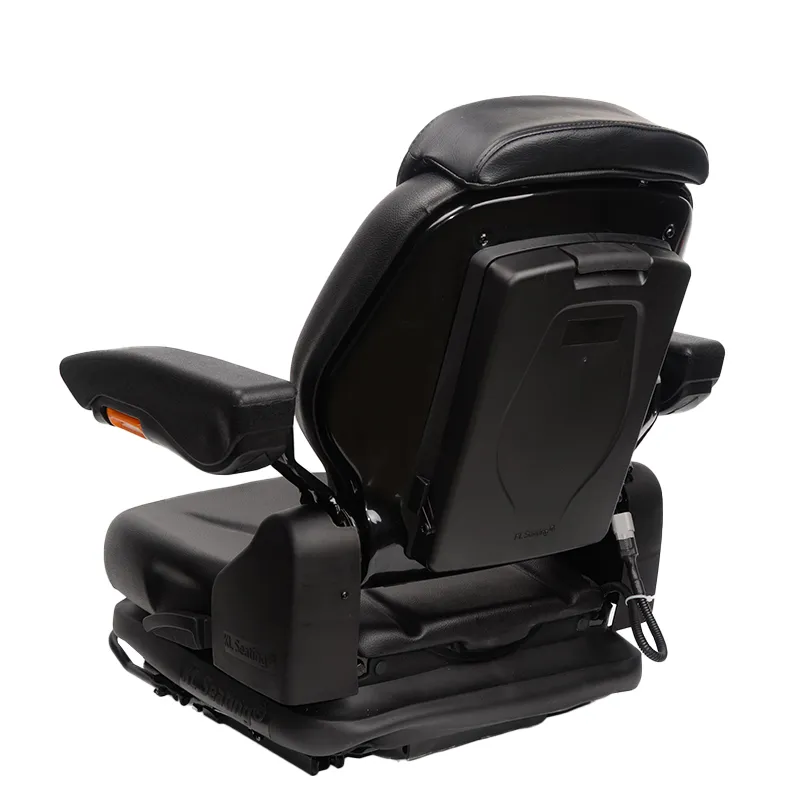
Clearance short
Weights inside the band but the free height short: the reply gives the clearance figure that is missing, so the engineer can see whether the cab or the seat has to change.
Outside the band
A fleet with operators above 130 kg or below 50 kg moves to another model whose band fits. The reply names it from the forklift line.
Shock absorber, analyzed on its own
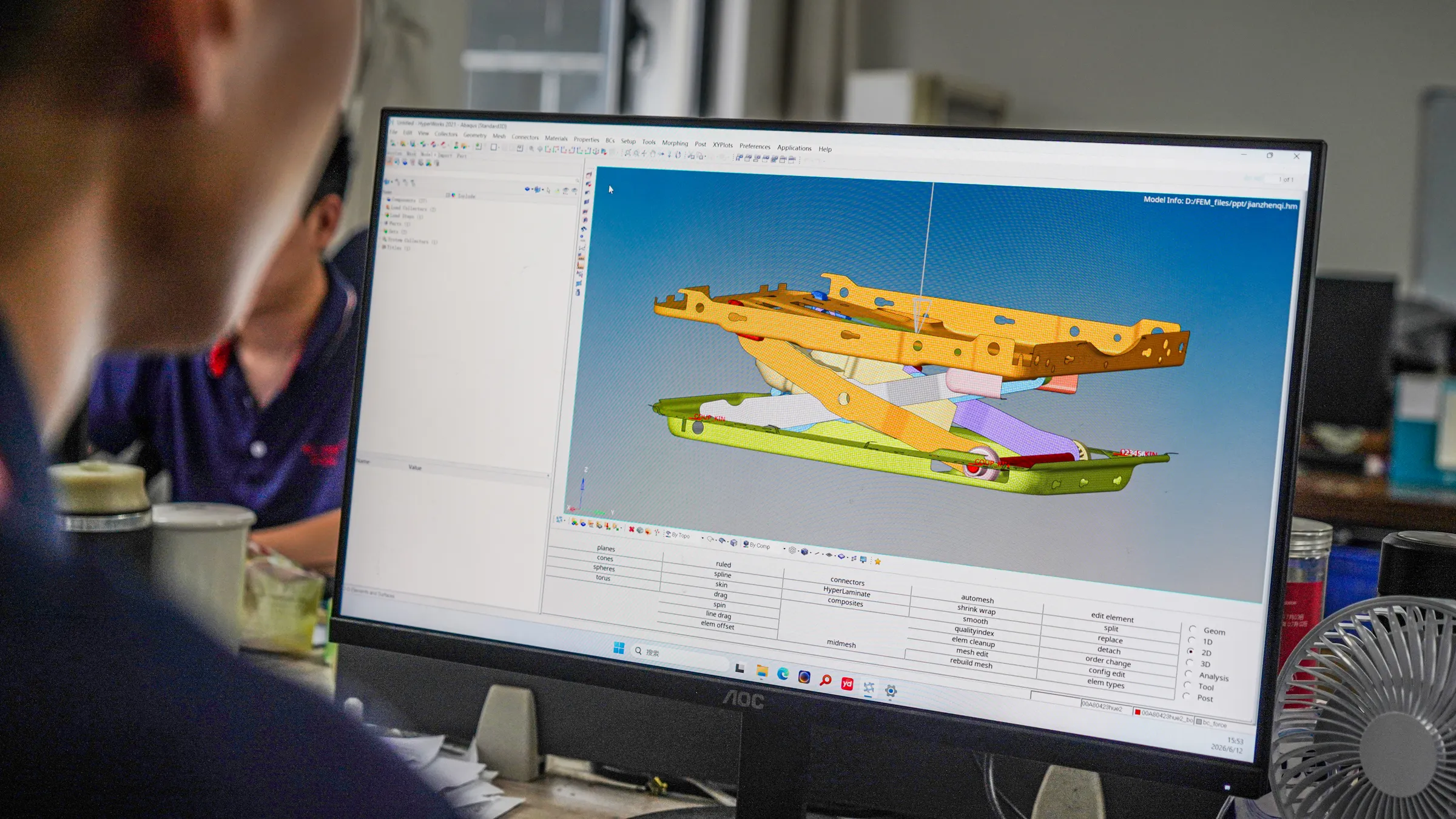
The shock absorber of KL01 goes through shock absorber mechanical analysis in the testing center. The result is used to confirm that the 50 mm travel and the 50 to 130 kg band work together. It covers the shock absorber and does not replace the cab check.
Fleets with mixed operators
A rental or shared fleet sends the lightest and the heaviest operator across the fleet. Each operator sets the seat to their own weight, so the band is read against the whole fleet and the 50 mm at both ends of the setting.
Left open on the sheet
- How the weight setting is made on the seat
- Seat height at the weight setting
- Damping behavior
These are requested from the factory and come back with the parameter sheet.
Mounting Base: Hole Pattern Request and 3D Scan Check
KL01 sits on a base that bolts to the truck floor plate. The common bottom holes are listed on the parameter sheet, and the hole figures are sent with the reply.
- Send the hole spacing of the seat on the truck, or the old seat's base with photos from underneath.
- It is compared with the KL01 base on the parameter sheet.
- The reply: a match, a match with a changed base, or a different model.
What the 3D scan covers
3D scanning records the position of the bottom holes and the outer dimensions of the frame of a built seat, and compares the result with the design data. The check is on the base and frame, the parts that meet the truck.
When the pattern differs
A truck with a different hole pattern goes to the R&D center as a design change through the ODM route, and the changed base goes through the same frame stages. The seat fitment compatibility guide lists what to measure on the truck.
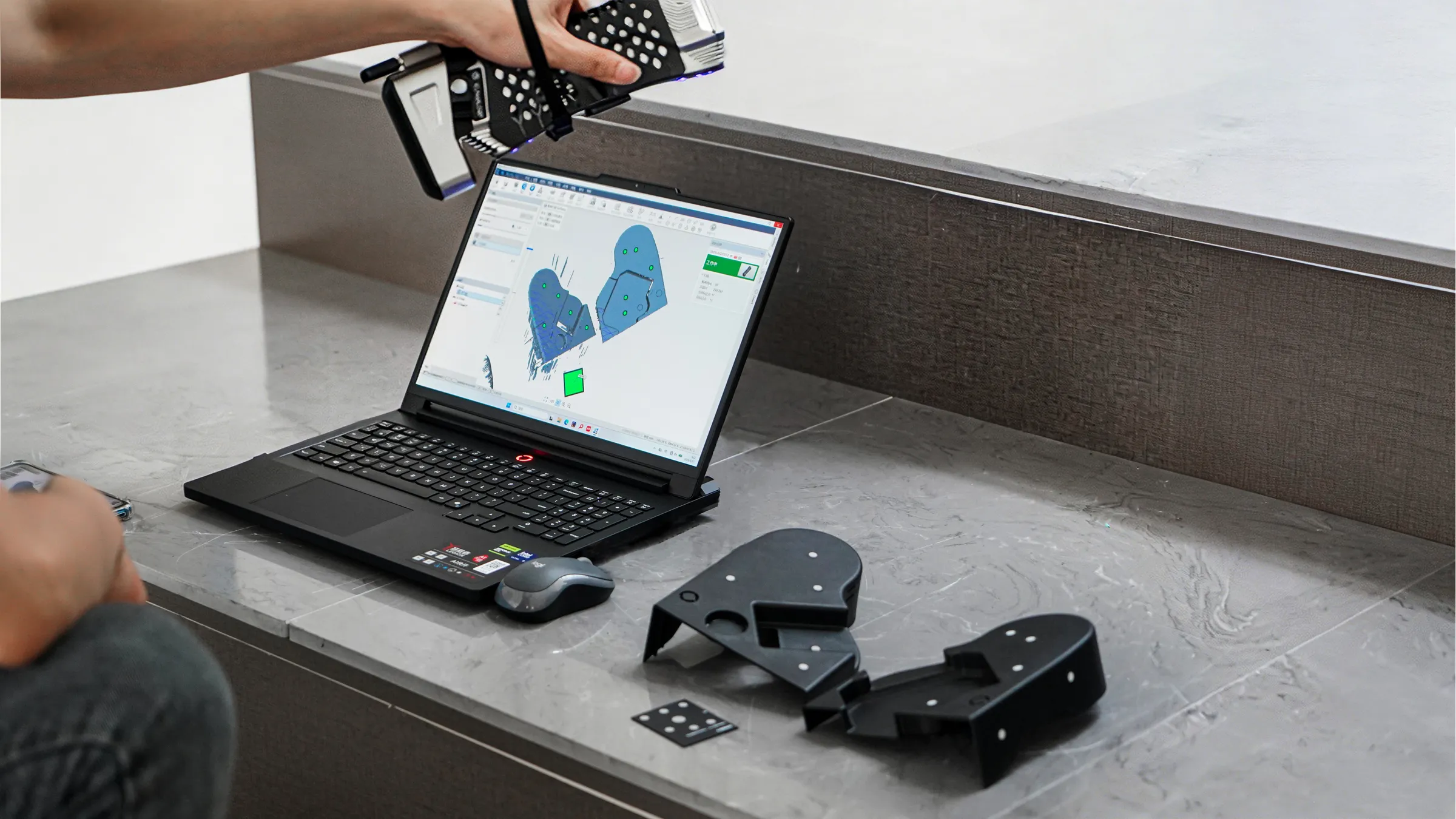
Distributors and importers usually start from a seat that is already on a truck. Five things on that seat go into the match, and each one is compared with a KL01 figure on the sheet.
Replacement Matching: Reading an Old Forklift Seat Against KL01
- Model plate or label
- Gives the old seat's model and sometimes its weight band, compared with 50 to 130 kg.
- Slide rails and their position
- Show how much room the old seat had in front and behind, compared with the 80 and 80 split.
- Underside of the base
- A photo from underneath shows the hole layout and goes to the factory for the base comparison.
- Cover and options fitted
- PVC or fabric, armrests, headrest, seat belt and lock, matched to the KL01 option list.
- Backrest at both extremes
- Two photos, one upright and one reclined, compared with 15° to 130°.
The reply names KL01 when these five agree, and names the item that differs when they do not. A distributor holding the same truck model across several customers sends one set of photos and receives one confirmation that applies to every truck of that model.
KL01 Against KL11, YY53 and YY03 on the Parameter Sheet
| Item | KL01 |
KL11 |
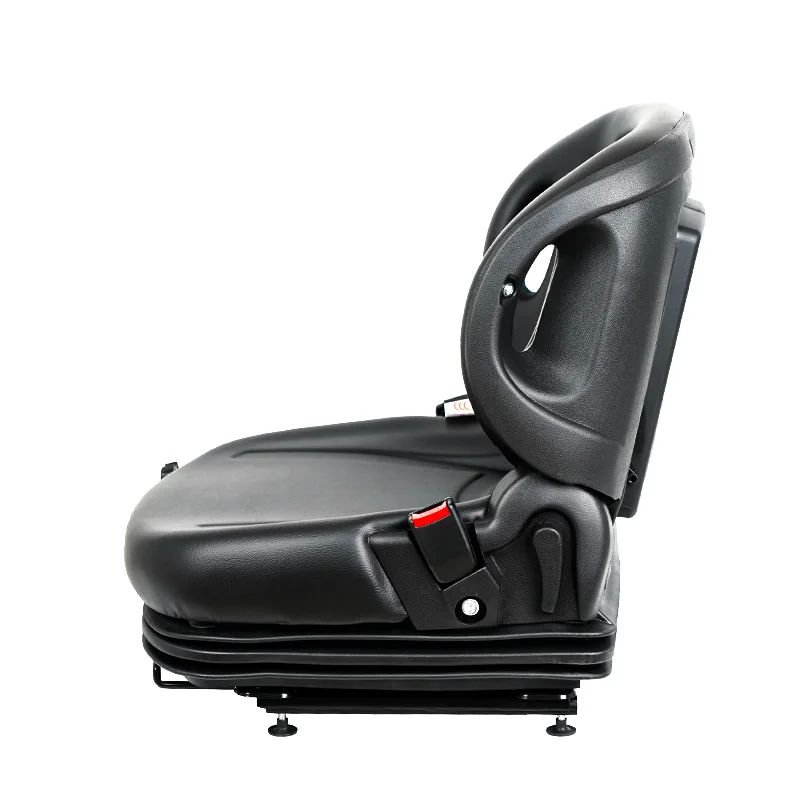 YY53 |
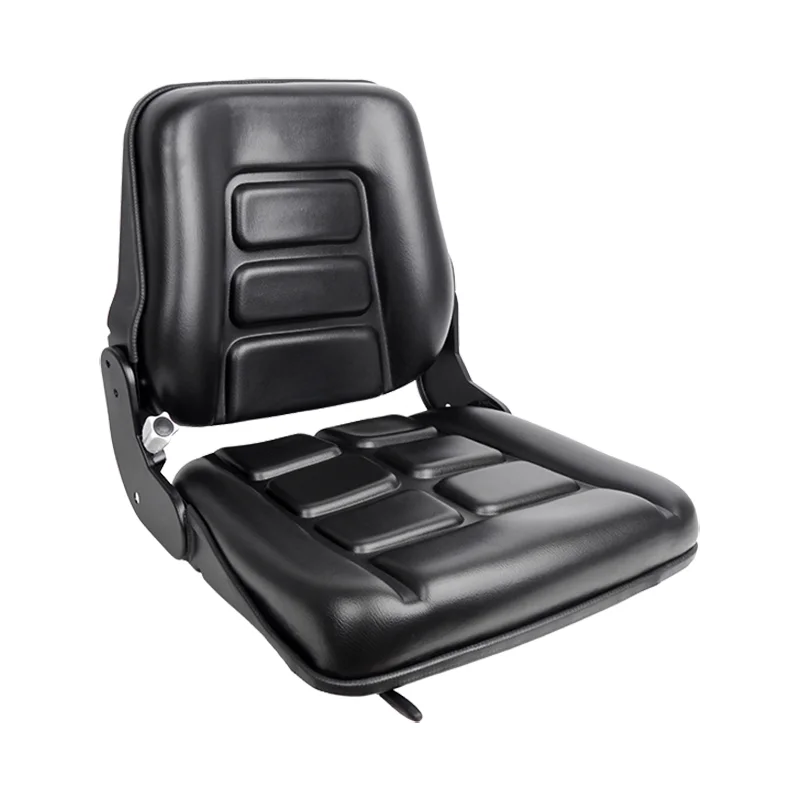 YY03 |
|---|---|---|---|---|
| Operator weight | 50–130 kg | 50–130 kg | 40–120 kg | 40–120 kg |
| Suspension | Mechanical, 50 mm | Mechanical, travel not published | Mechanical, 48 mm | Option |
| Fore-aft adjustment | 160 mm (80 forward, 80 rearward) | 176 mm (80 forward, 96 rearward) | not published | 150 mm |
| Backrest | 15° to 130° | not published | 70° to 115° | not published |
| Cover | PVC or fabric | Black PVC | PVC | PVC or fabric |
KL01 or KL11. Both share the 50 to 130 kg band. KL01 publishes its travel and its backrest range; KL11 gives the longer slide with 96 mm rearward.
YY53. The model for operators between 40 and 50 kg, or for a truck specified to the 48 mm travel.
YY03. The model when the truck needs suspension as an option. The forklift seat manufacturer page carries all six forklift models.
Options and Cover: PVC or Fabric, Five Options on the Sheet
Standard cover on the sheet.
The alternative cover, stated in the order.
- Armrests
- Headrests
- Seat belts
- Electronic lock
- Slide rails
The micro switch is not listed for KL01. The seat belt and the electronic lock connect to the truck, so the reply asks for the belt or lock connection your truck uses. Orders name the options together with the model, so the first reply carries KL01 and its option set on one line.
KL01 Production: Foam Molding, Precision Stamping, Robotic Welding, Assembly
KL01 is built on our own lines in the 35,000 m² production base, with a team of 180+ employees and an annual capacity of 500,000 seats across the product families.
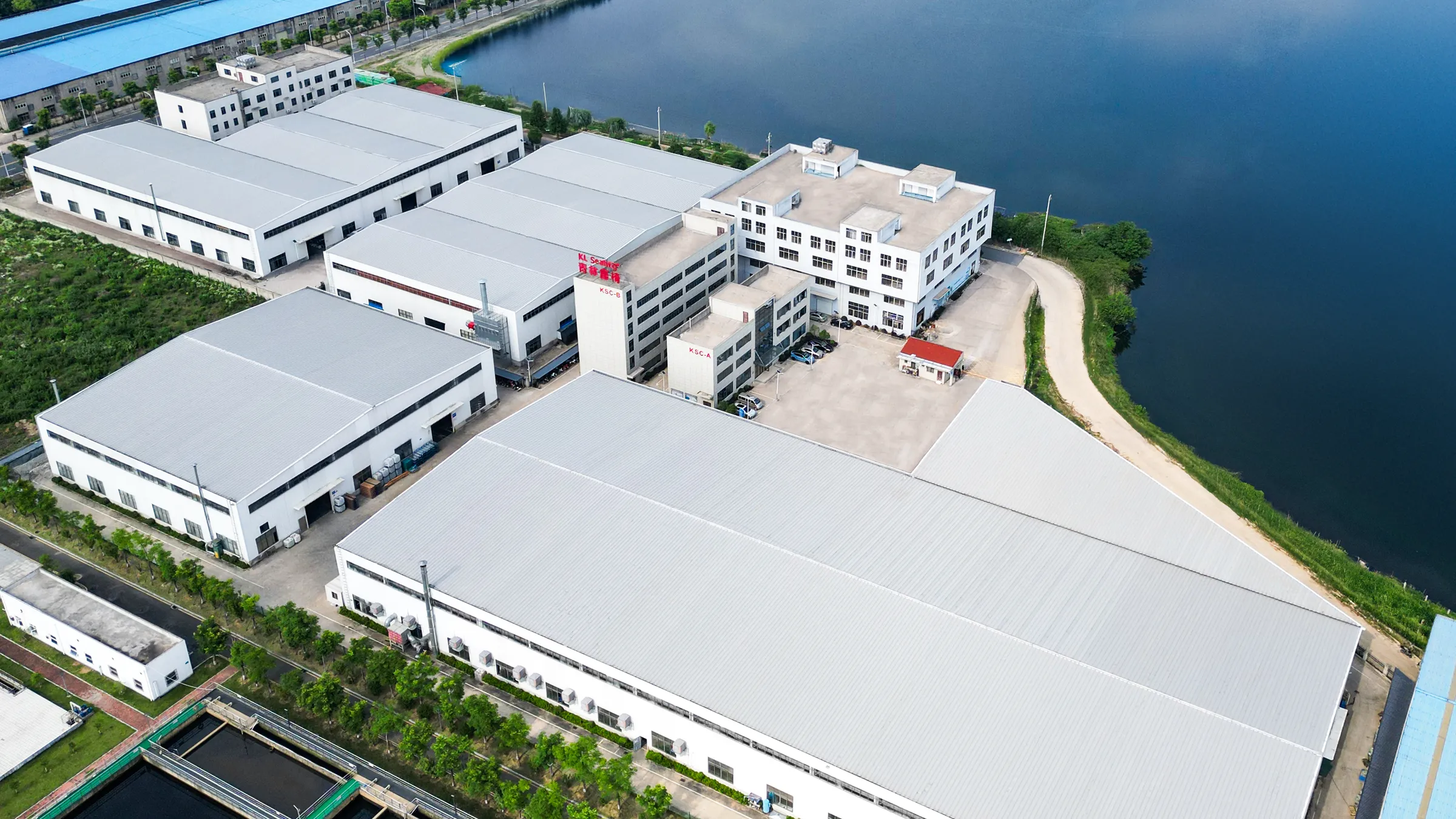
The production base in Nanchang.
Foam molding
Forms the seat cushion and the backrest on the foam molding line.
Precision stamping
Forms the frame and the base on the automated stamping line.
Robotic welding
Joins the frame at a robotic welding station.
Assembly
Fits the suspension, the slide rails and the options you selected.
Four Testing Center Checks and Where Each Sits on KL01
Four checks from the 300+ m² testing center apply to KL01. The parameter sheet sets the figures these checks are held against. The MES system records quality inspection and delivery for KL01 together with the rest of the forklift line.
Quality engineers can book a factory visit in advance through [email protected] and see the stamping and welding stations and the testing center.
CAE structural analysis
Comes first and looks at how the frame carries load before any part is formed.
Shock absorber analysis
Done on the shock absorber of KL01 as a component, on its mechanical behavior.
3D scanning
Compares the bottom holes and the frame dimensions of the built seat with the design data.
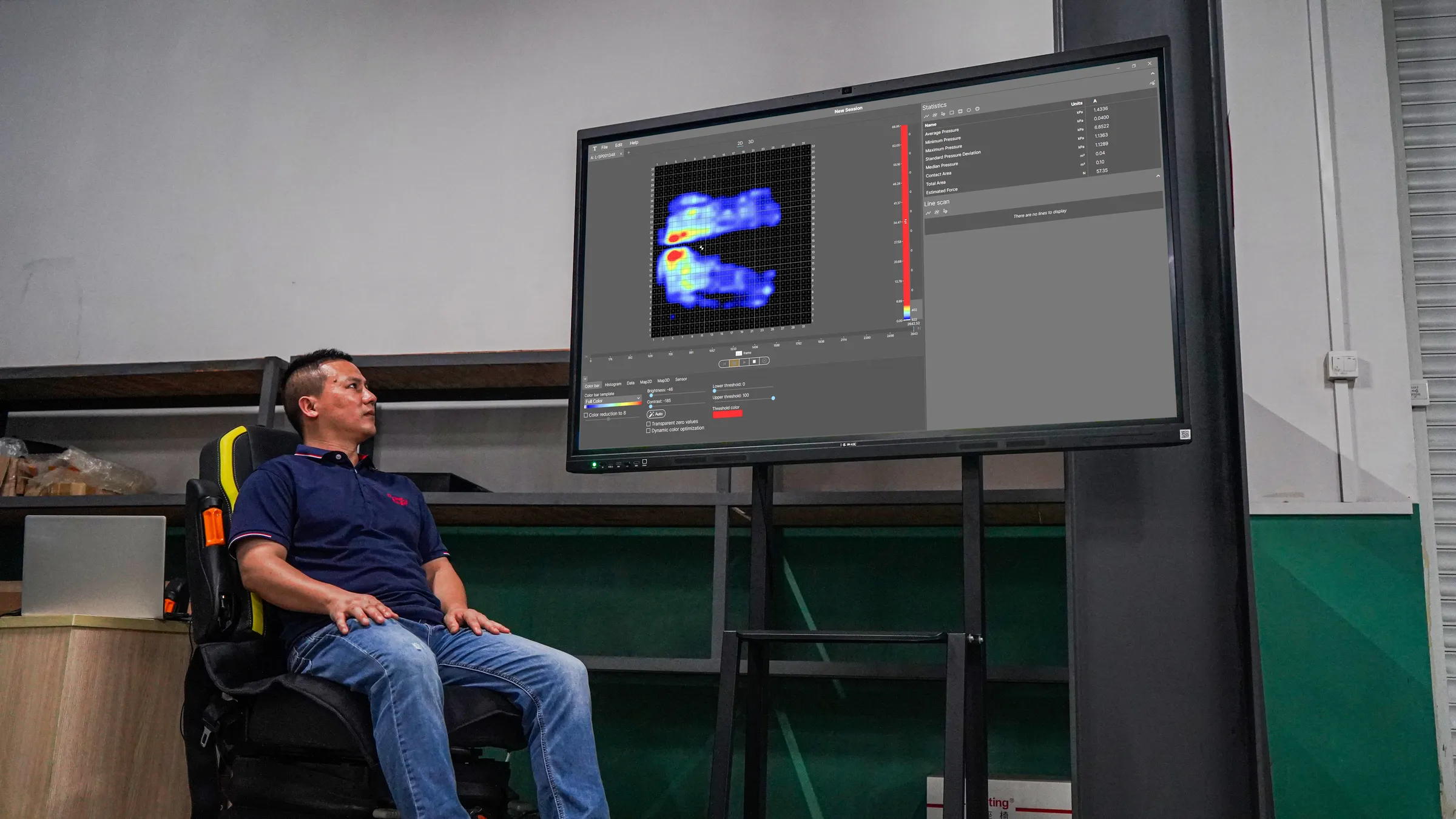
Pressure distribution test
Records how load spreads across the seat surface, for comfort on long shifts.
Supply Routes: OEM for Forklift Builders, Wholesale and Private Label for Distributors
Forklift builders and truck converters
KL01 is listed as OEM accepted. The builder sends the truck drawing, picks the cover and the options and states any change to the base. Changes to the structure go to the R&D center through the ODM route.
OEM and ODM seat manufacturerDistributors and importers
The seat goes out in the carton listed on the sheet, 60 × 52 × 42 cm. Distributors who want KL01 under their own brand or as part of a bulk supply range state it in the enquiry, with options and cover on the same line as the model.
Send the enquiryDocuments Sent With a KL01 Enquiry: Parameter Sheet, Hole Figures and Certificates
The KL01 parameter sheet
Purchasing orders against it.
The hole figures and the dimensions not on the sheet
They arrive in the reply text, with the seat height at the weight setting.
Copies of the ISO 9001:2015, CE, RoHS and REACH certificates
The quality department files them with the supplier record. The certificate numbers are on the copies.
A fit statement
The reply states the fore-aft split, the weight band and the backrest range against your truck figures, and names any item that does not match.
Solid rings come attached to the reply; open rings are answered in the reply text.
Enquiry Checklist for KL01: Copy the Set That Matches What You Hold
- Truck model and the seat position in the cab.
- Free distance forward and free distance rearward from the base position.
- Free height from the base to the overhead guard.
- Lightest and heaviest operator weight.
- Hole spacing on the floor plate.
- Backrest range the cab allows.
- Purchasing
- Cover, PVC or fabric, and the options you need.
- Whether the request is the standard model or a custom change.
- Truck make and model.
- Photos of the old seat from the front, the side and underneath, with the model plate if there is one.
- Hole spacing of the old seat's base, if you can measure it.
- Operator weight range of the fleet.
- Cover, options and whether the seats carry your own brand.
Related Pages for KL01 Buyers
Four pages continue from the KL01 checks: the full forklift range, what to measure on the truck, how OEM and ODM work, and the heavy machinery seat with its own size and slide figures.
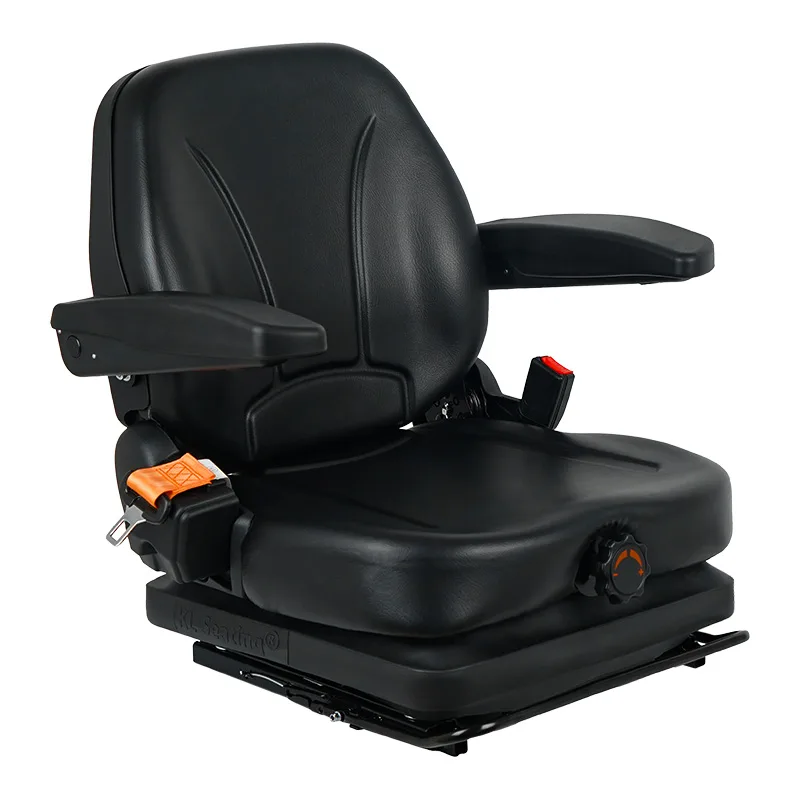 Forklift seat manufacturer
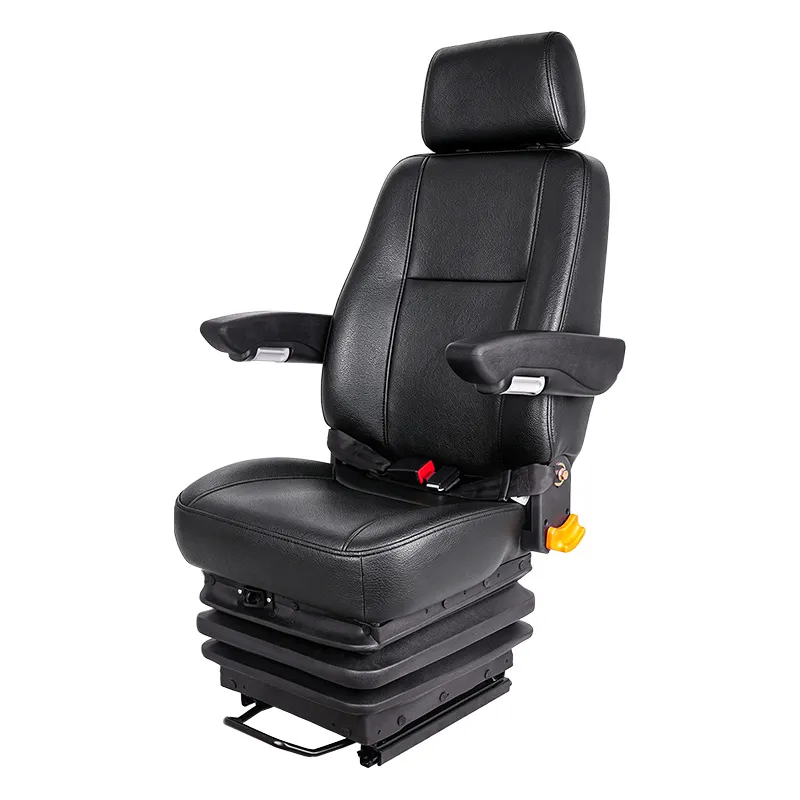 YQ40 heavy machinery seat
Send the Truck Details and Get the KL01 Parameter Sheet
Truck model, free distances, operator weights and hole spacing, or photos of the old seat.
Send truck detailsSend the Truck Model, Free Distances and Operator Weight
Send the truck model, the free distances in front and behind the seat, the operator weight range and the hole spacing, or photos of the old seat, to [email protected], or call +86 177 0272 7677. We reply with the KL01 parameter sheet and the fit statement. The contact page has the enquiry form.
Reach us directly
What to include
- Truck model and free distances
- Operator weight range
- Hole spacing, or photos of the old seat