Fitment guide · Machine builders and distributors

Seat Fitment Compatibility Guidefor Machine Builders and Distributors: What to Measure Before the First Message

KL Seating matches industrial vehicle and garden machinery seats to the machine they go on. Machine builders send the cab drawing, and we match a model to the base, the operator weight range and the free space. Distributors, importers and refit shops send the old seat with photos, and we match a model to what came off the machine.

  • Base hole positions and frame dimensions checked by 3D scanning
  • Model parameter sheets with weight range, travel, slide and backrest
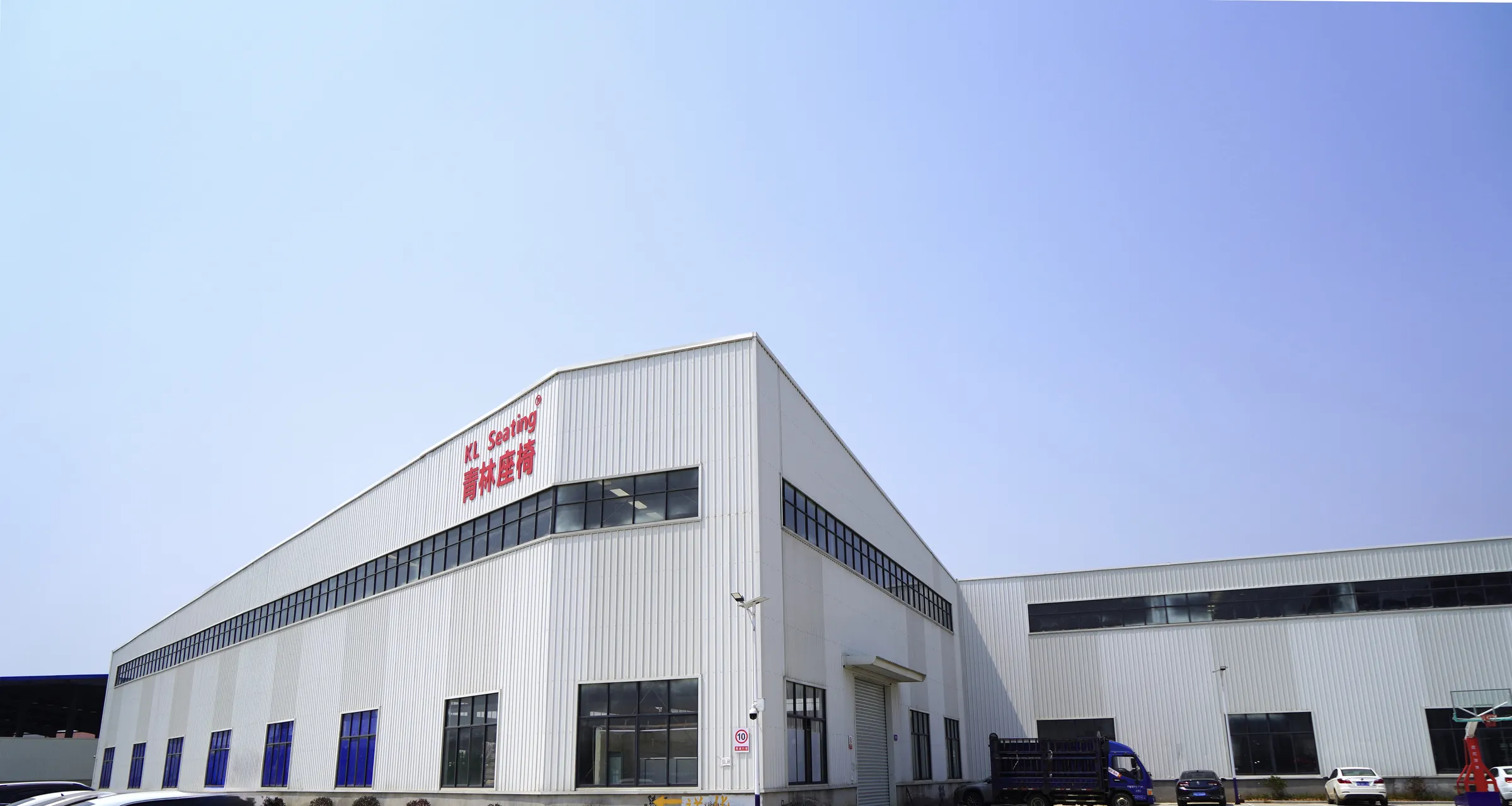
  • 180+ employees and 500,000 seats per year of production capacity
  • ISO 9001:2015, CE, RoHS and REACH certificate copies on request
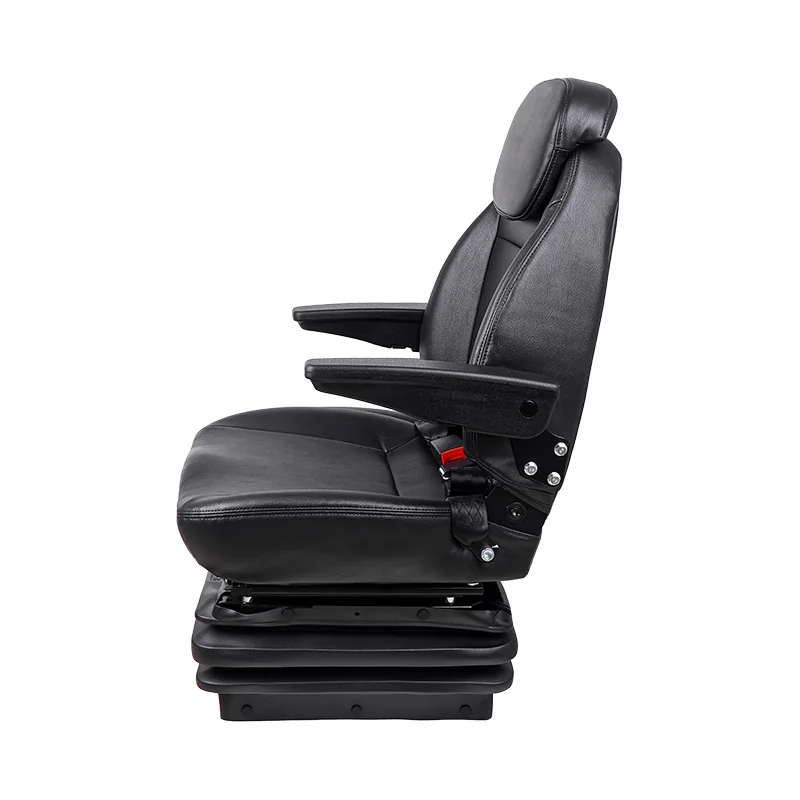
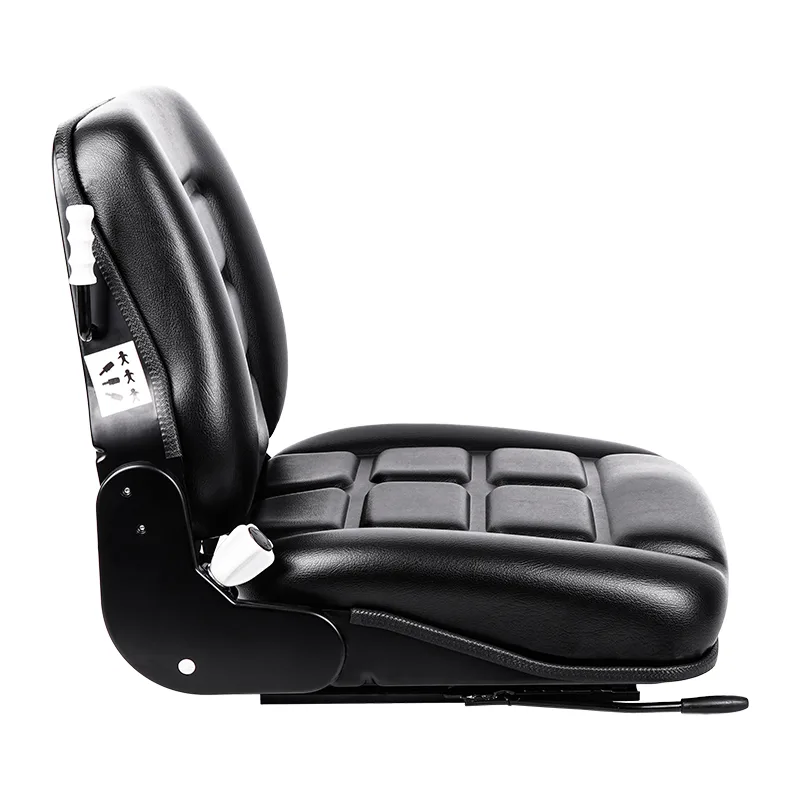
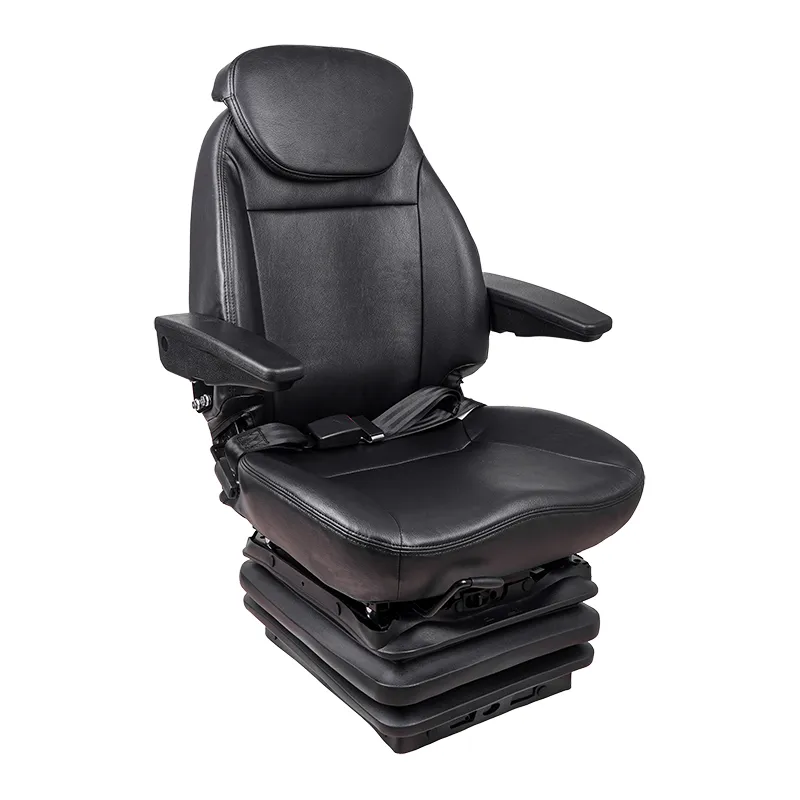
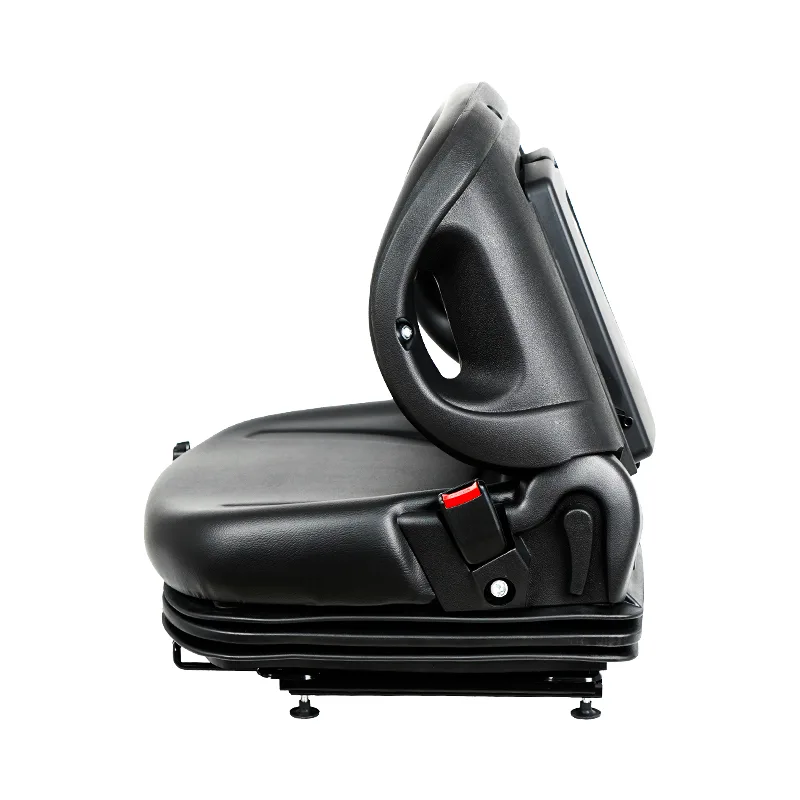
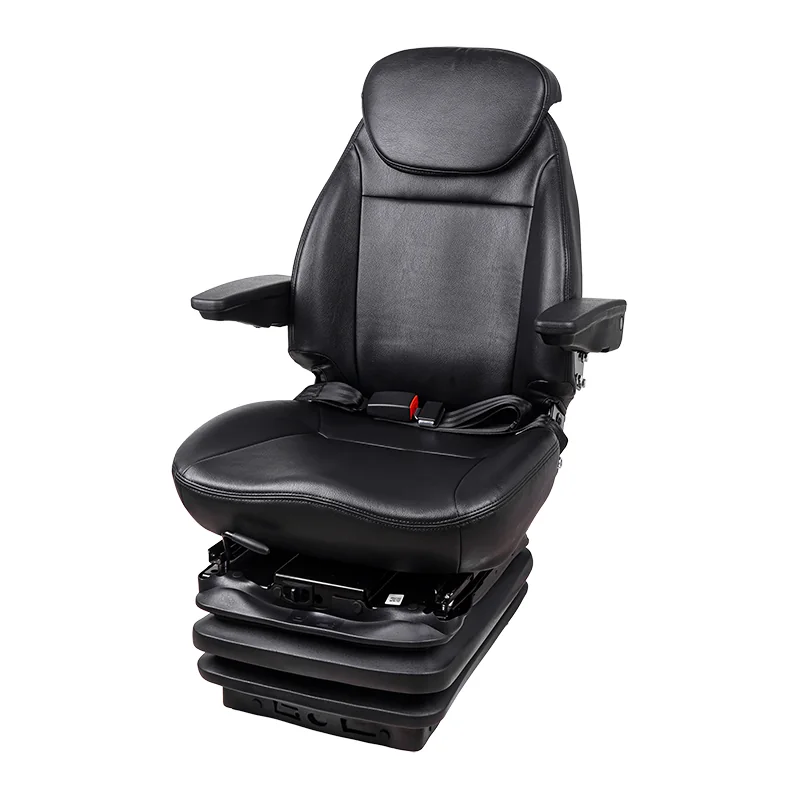
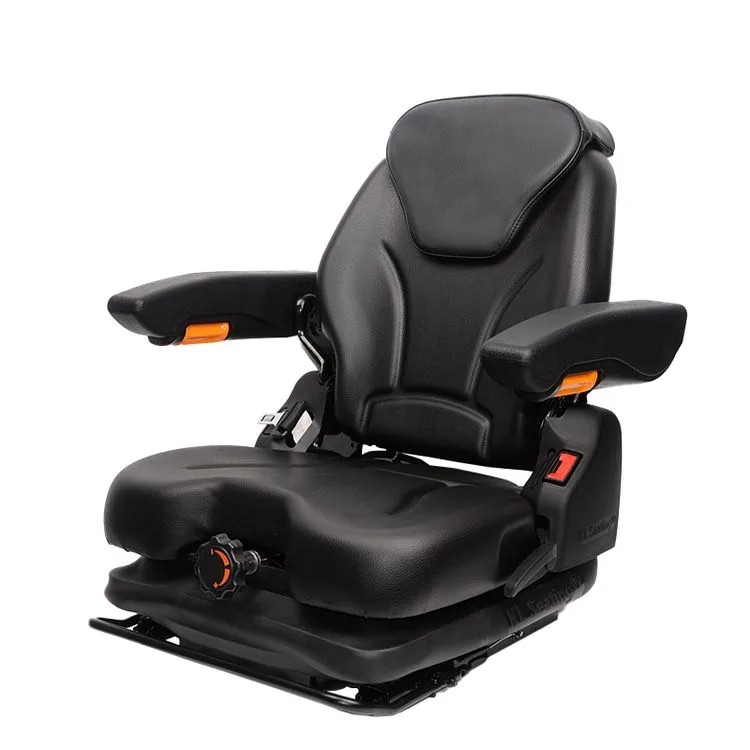
YQ50 seat, side view
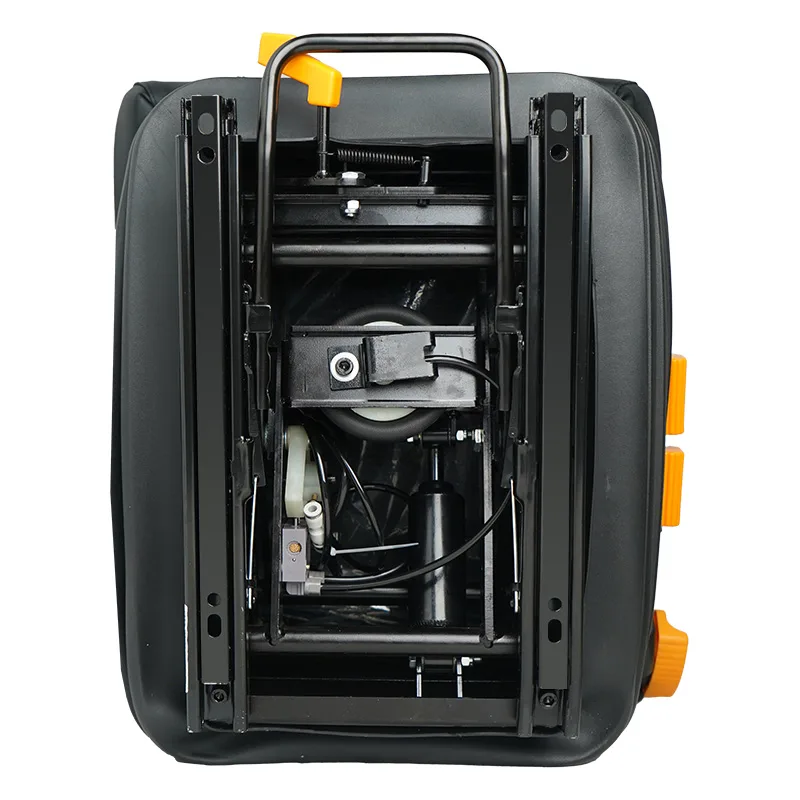
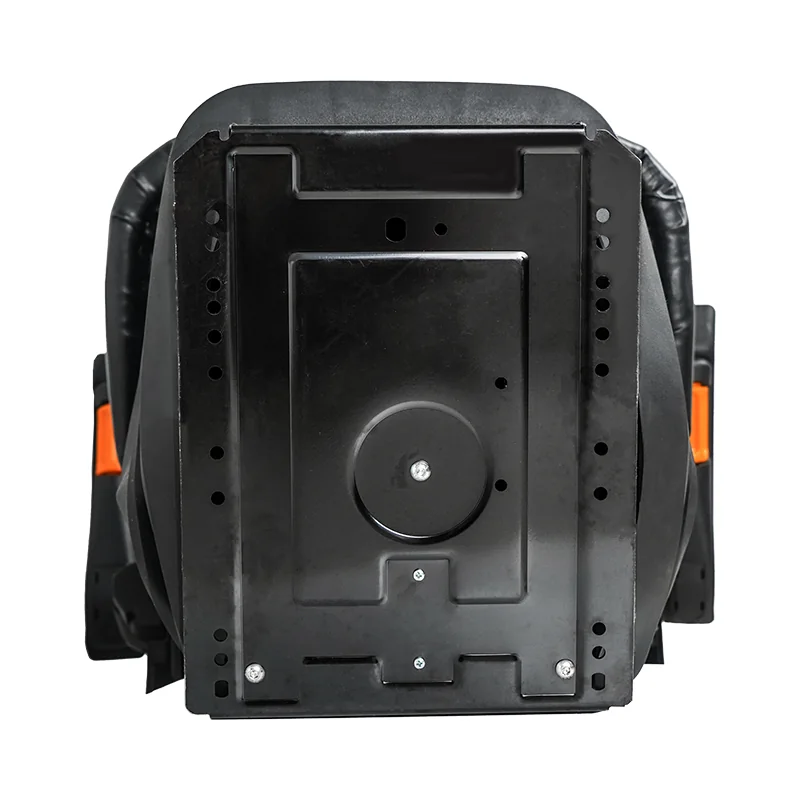
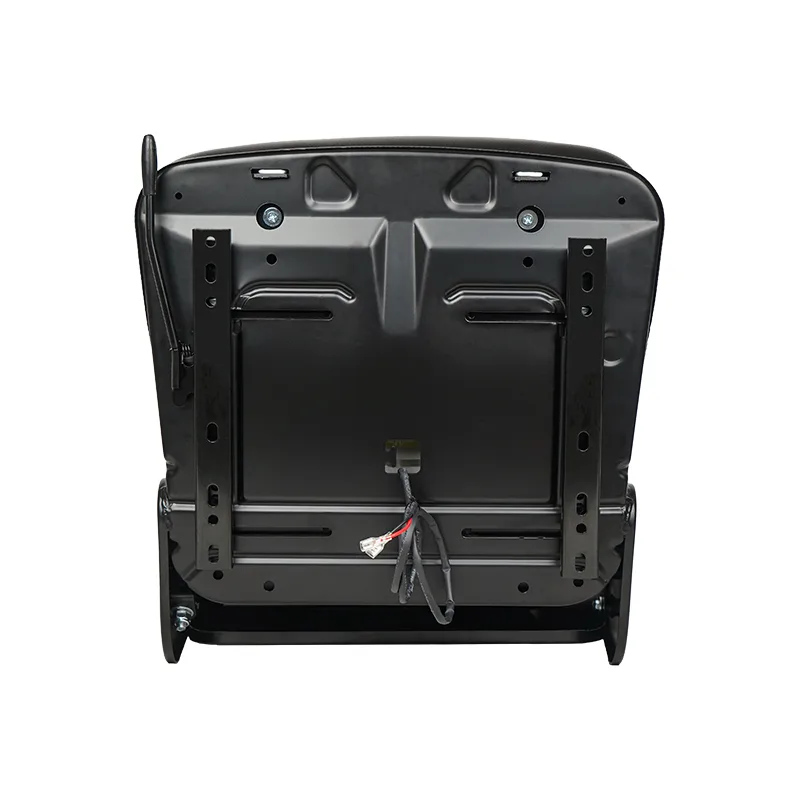
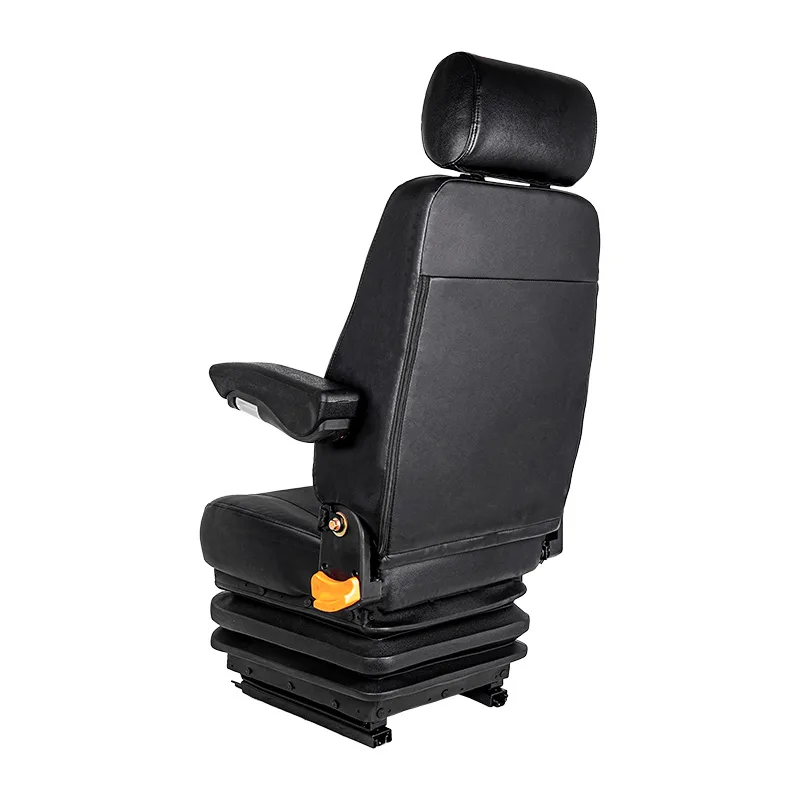
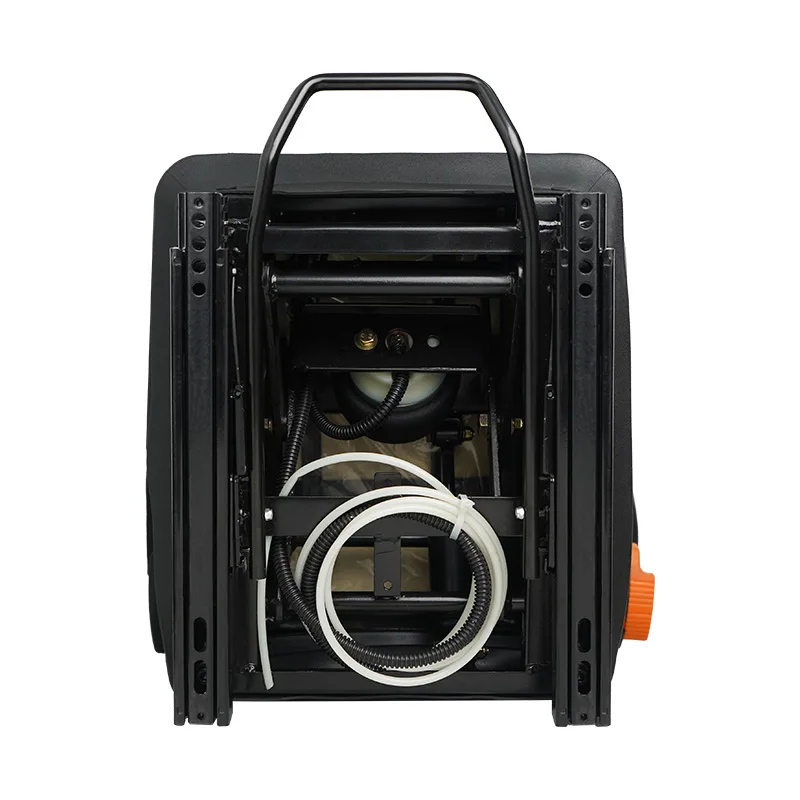
YQ50 seat, underside
U1 · YQ50
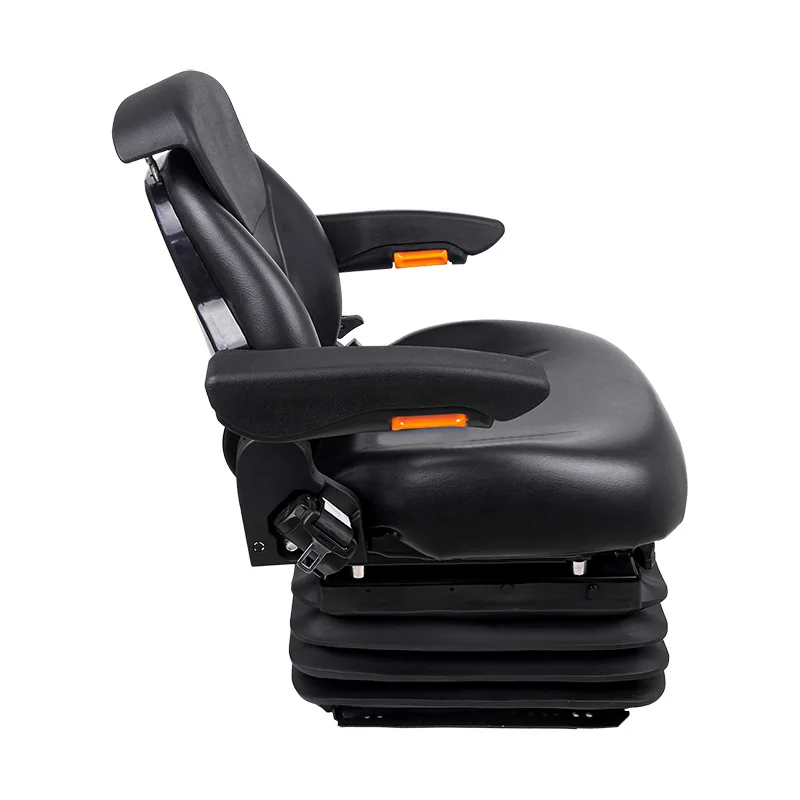
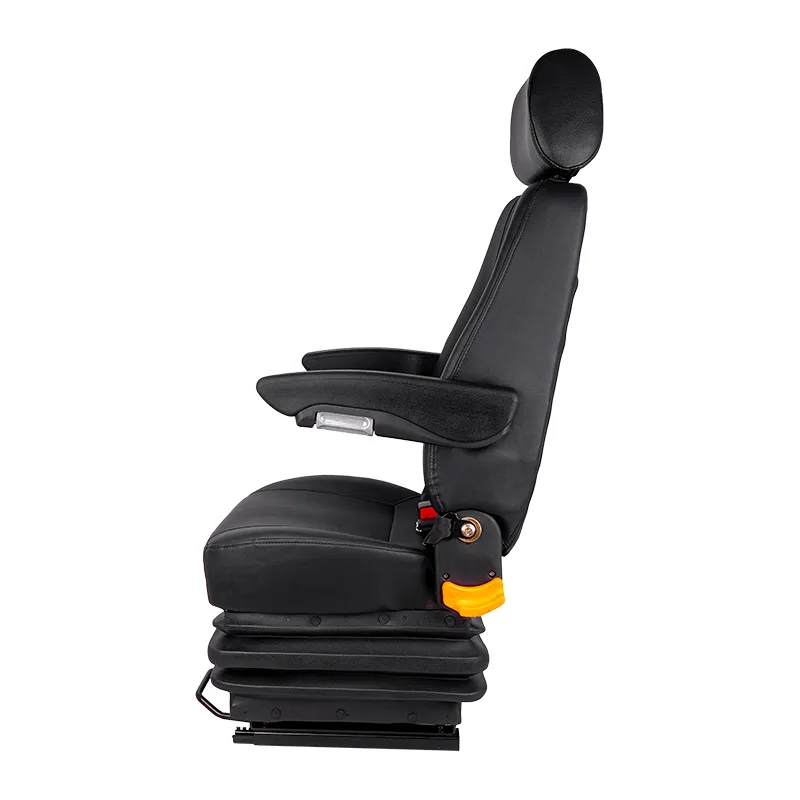
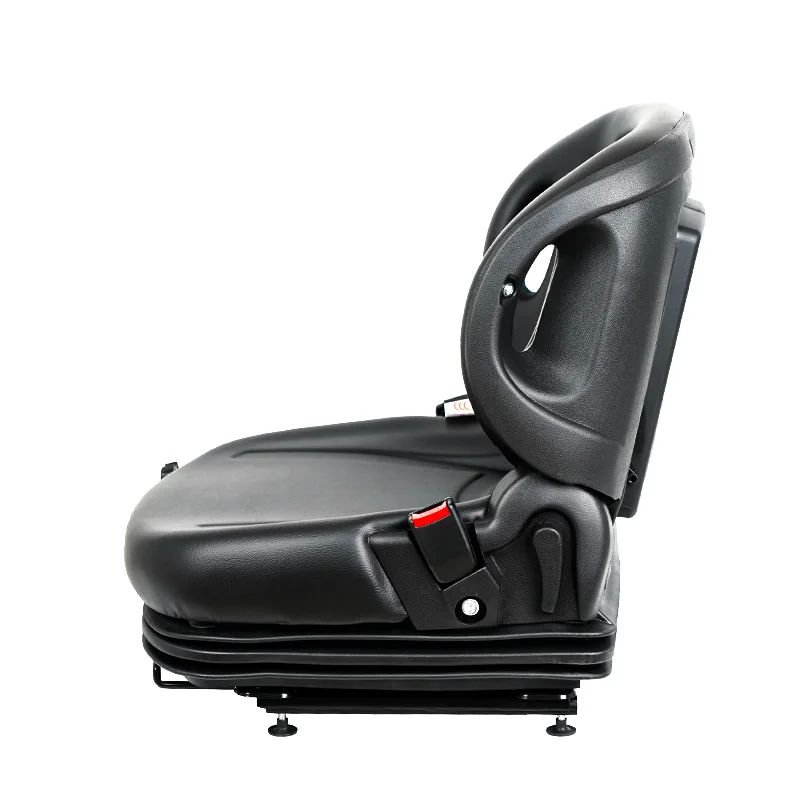
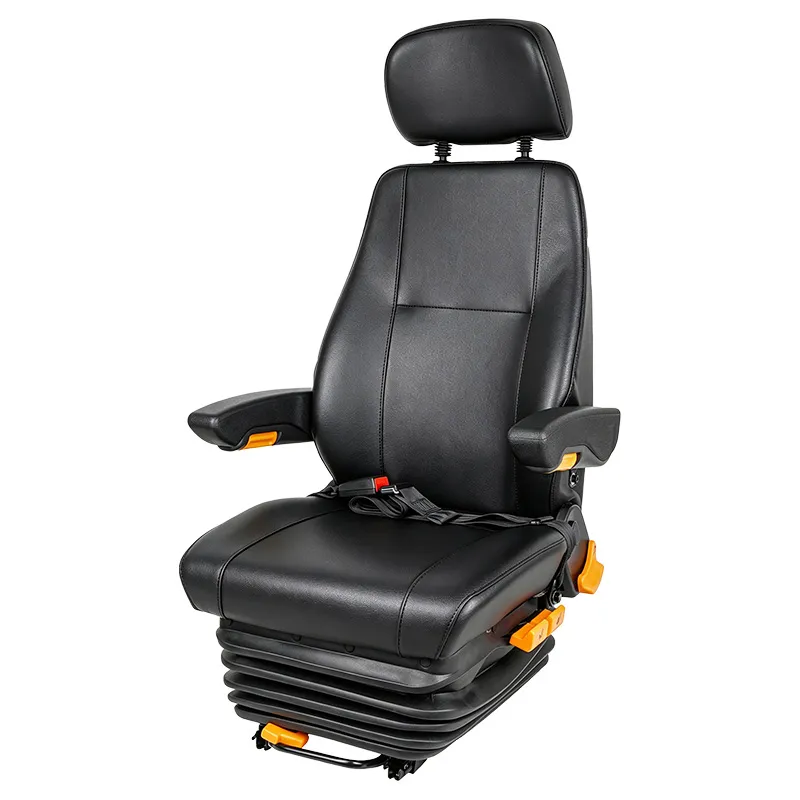
YJ03 seat, side view
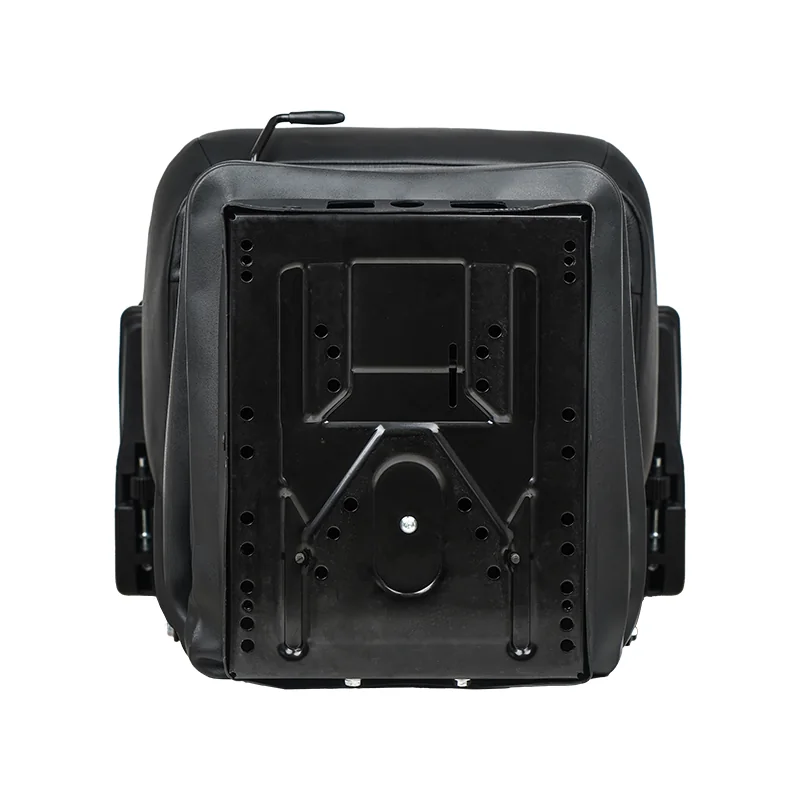
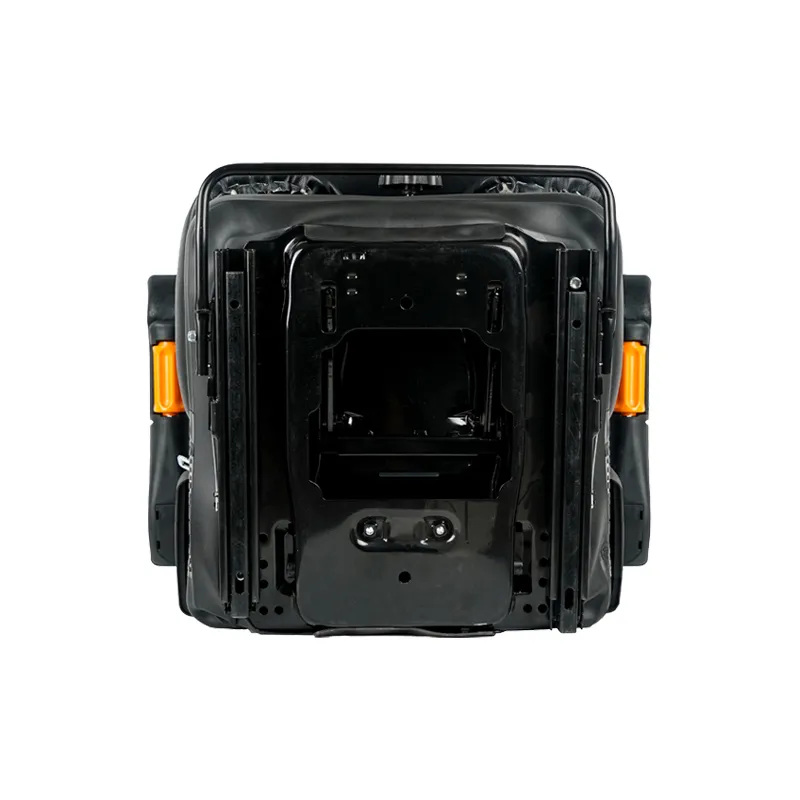
YJ03 seat, underside
U2 · YJ03
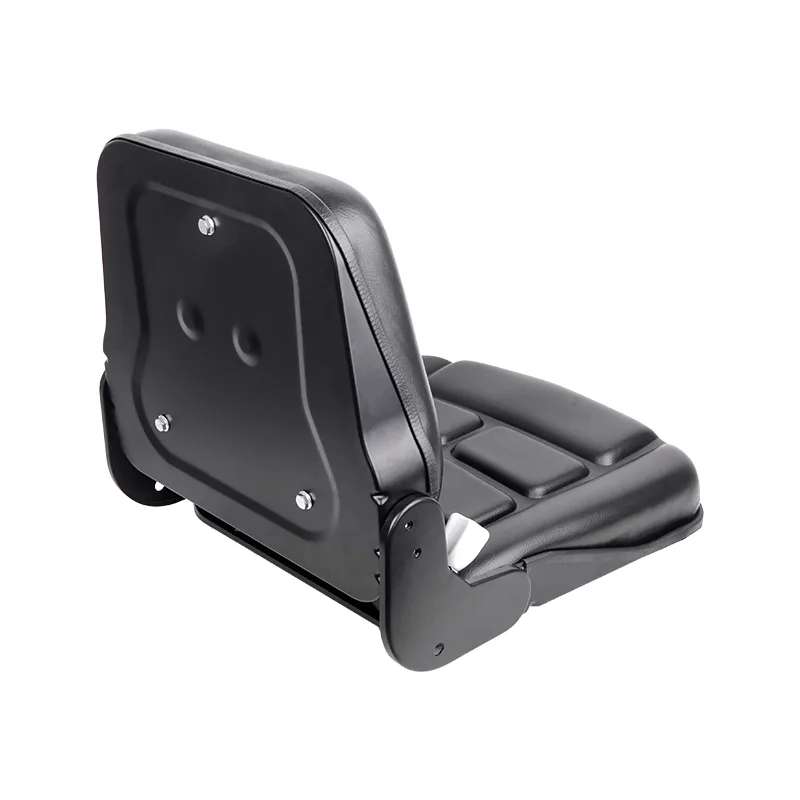
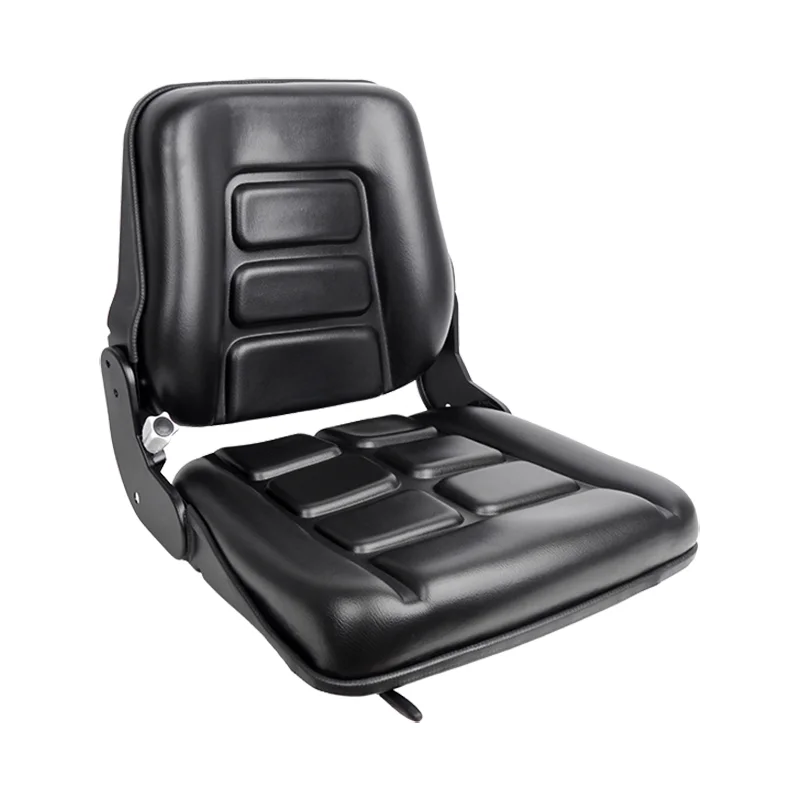
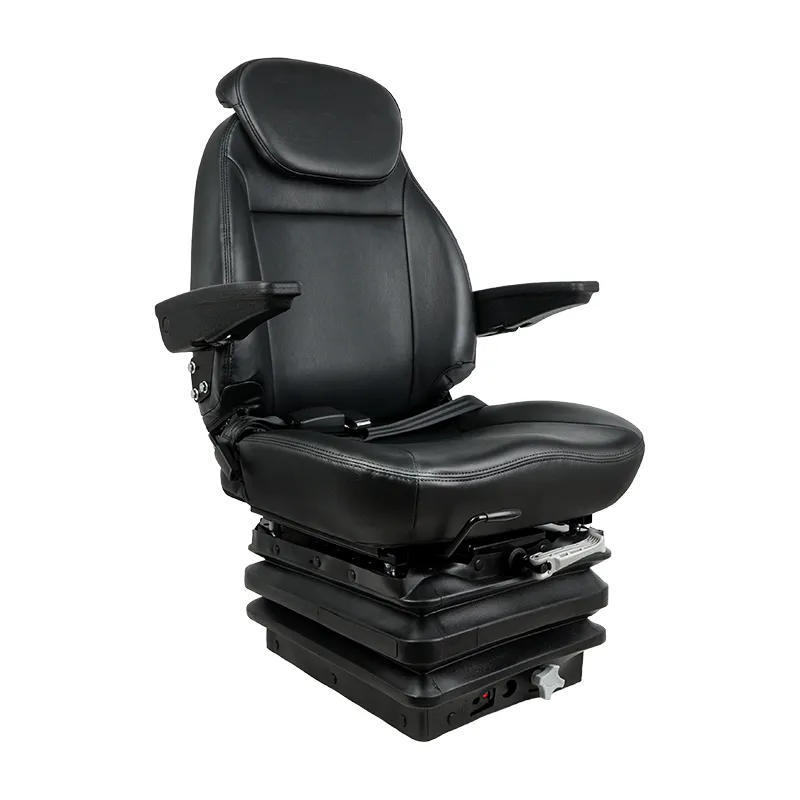
KL03 seat, side view
KL03 seat, underside
U3 · KL03
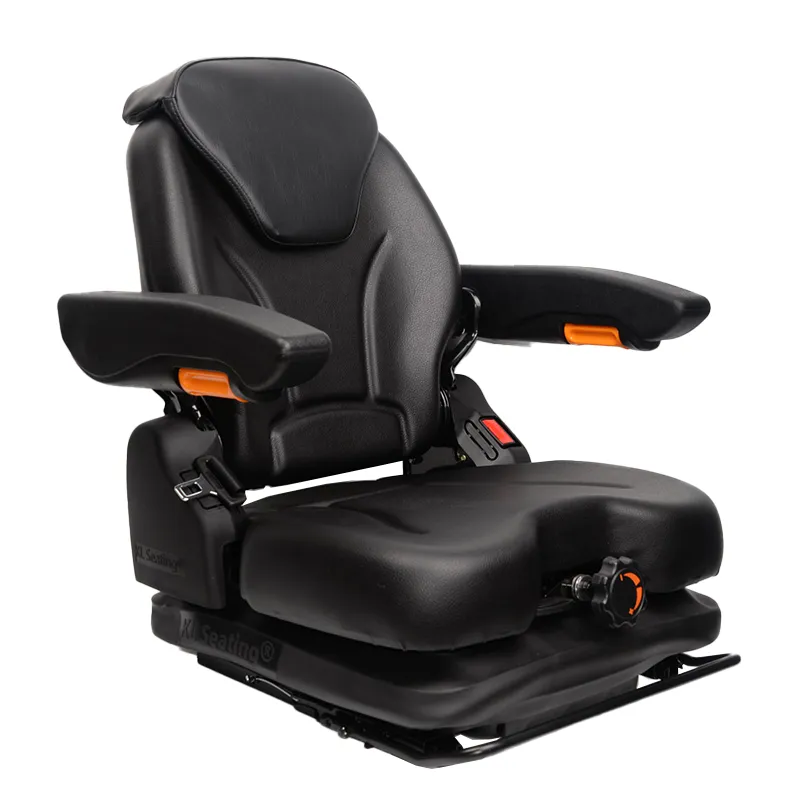
KL01 seat, side view
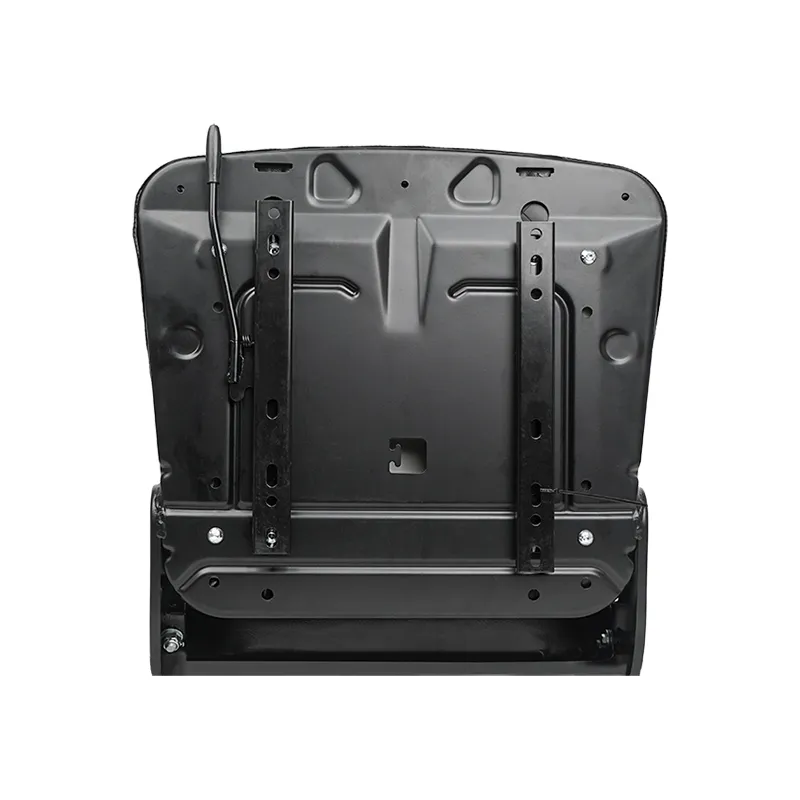
KL01 seat, underside
U4 · KL01
YY03 seat, side view
YY03 seat, underside
U5 · YY03
YY01 seat, side view
YY01 seat, underside
U6 · YY01
Underside as shot for the factory · hover or focus a tile for the side view
Which route are you on?I hold the cab drawing I hold the old seat
What to measure

Fitment Measurement List: Eight Items, the Document They Come From and What Each Decides

8items

Six measurements decide most fitment questions: the base mounting holes, the operator weight range, the suspension travel, the fore-aft slide, the backrest range and the overall envelope. Seats are also checked on power supply and on the option set.

KL01 seat, undersideYQ40 seat, side viewYJ03 seat, underside

The two orange rows, the base holes and the weight and travel pair, decide the match more often than the rest, and they get the longest sections below. If you want to see the models first, start with the construction machinery seat manufacturer range.

Eight items to read before the first message
ItemWhere it comes fromWhat it decides
Base mounting holesCab drawing, or tape measure on the old seat baseWhether the frame bolts to the machine without drilling
Operator weight rangeCab specification, machine manual or old seat labelWhich weight band the suspension is set for
Suspension travelCab specification or old seat labelThe vertical movement and the head clearance
Fore-aft slideCab drawing or old seatReach to the controls at both ends of the operator height range
Backrest rangeCab drawing or old seatWorking posture and turning to look at the work
Overall envelopeFree space measured around the seat baseWhether the seat fits in width, depth and height
Power supplyMachine electrical dataWhether 24 V models run on the machine
Option setOld seat or order sheetArmrests, headrests, seat belts, locks, switches

Send the measurements, or the photos of the old seat, together with the machine make and model. We reply with the matching model, the model parameter sheet and, where the library holds one, the model drawing. Each row ends in a yes or a no against a model parameter sheet.

Route A · Cab drawing in hand

Machine Builder Route: Cab Drawing to Confirmed Model

Machine builders hold the cab drawing and the cab specification, so every measurement on the list can be taken from documents without a seat in hand. The route has four steps, and each step names the document that goes in.

The drawing sets the envelope

The engineer reads the free width, depth and height around the seat base from the cab drawing and notes the position where the operator sits most of the shift.

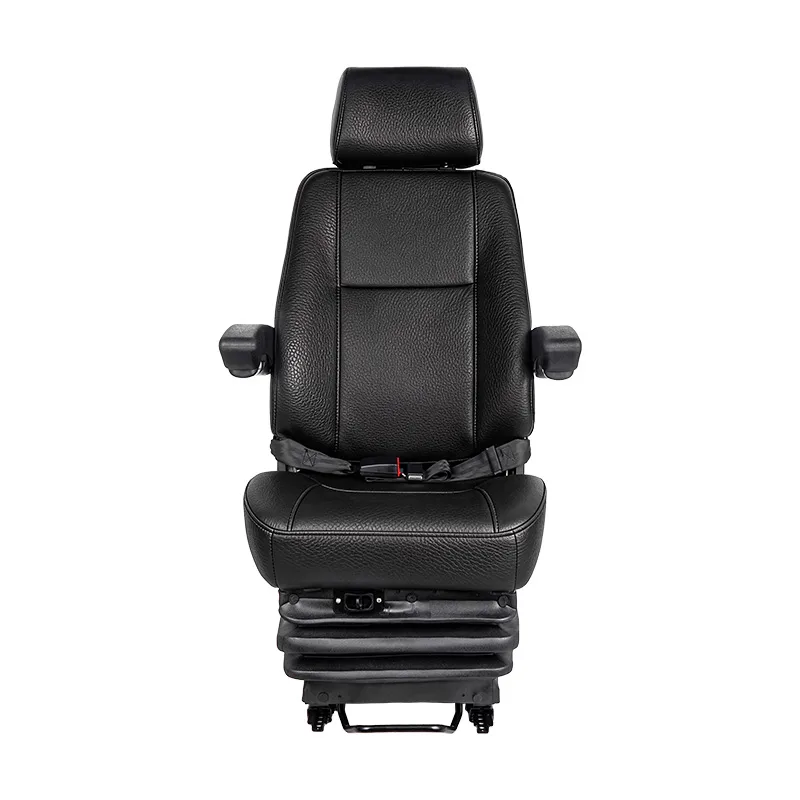
Seat front view
  • Cab drawing
  • Seat position

The drawing sets the hole pattern

The base hole pattern is read in both directions, and the position of any rails is noted.

Seat underside
  • Cab drawing
  • Rail positions

The specification sets the loads

The lightest and the heaviest operator weight, the suspension travel the cab was specified for and the supply voltage go on the same sheet.

Seat three-quarter view
  • Cab specification
  • Weight range
  • Travel
  • Voltage

The engineering team states the option set

Armrests, headrests, seat belts and any lock or switch are listed per seat, so the reply carries the model and its options on one line.

Seat three-quarter view
  • Option list per seat

We reply with the model, the parameter sheet and the drawing where one exists. The engineer lays our drawing over the cab drawing, and the 3D scan result confirms the frame against the sheet. If a structural change is needed, the request moves to the research center and goes through the OEM and ODM seat manufacturer programs. The seat is built to the drawing, and the first reply states what the change covers.

Several machine variants? Send one set per variant. The reply names the model for each variant, and the variants that share a model are listed together so purchasing sees a single line.

Route B · Old seat in hand

Distributor and Importer Route: Old Seat and Photos to Confirmed Model

Distributors, importers and refit shops hold the old seat. The seat in hand carries most of the information, and the photos carry the rest. The route has four steps as well.

Shoot the old seat
Seat front view, the first photo to takeFront
Seat side view, the second photo to takeSide
Seat underside, the photo that shows the rails and the hole layoutUnderside
Metal structure placeholder for the model plate close-upModel plate
  1. Photos show the seat

    Front, side and underside photos, with the label or model plate in frame if there is one. The underside photo shows the rails and the hole layout.

  2. A tape measure gives the base

    The distance between the mounting holes in both directions, the overall size of the old seat and the slide distance.

  3. The label or catalogue entry gives the loads

    The weight range and the suspension travel printed on the seat or in its catalogue entry go in the message when they exist.

  4. The order sheet gives the options and the brand

    The option set, the cover and whether the seats carry your own brand.

No label and no catalogue entry

The photos and the three measurements are still enough to start. We reply with a matching model, and the engineer lists which values are confirmed from the photos and which still need a measurement.

Machine make and model go with the photos

Send the machine make and model with the photos. The sheet does not link a machine to a model, so we do not publish a table of machines against models. We reply with the matching model for your machine.

Several machine makes, bulk stock and your own brand

Distributors who supply several machine makes send one set per old seat model. The reply returns one line per seat, and models that match more than one old seat are grouped. For stocking in bulk, the line can be organised by series, with model and options on one list. Seats for resale can carry your own brand through the wholesale and private label route in the OEM and ODM program.

The one item that cannot adapt

Base Mounting: Hole Pattern, Rails and Frame Footprint

The base holes are the first measurement because they are the one item a seat cannot adapt to on site. Weight setting, slide and backrest all adjust. The holes either line up with the machine or they do not.

What gets measured

The hole pattern is the distance between the holes in both directions: across the seat and front to back. A seat that sits on slide rails has two patterns that matter. One is the pattern between the rails and the machine floor. The other is the pattern between the rails and the seat frame. Photos of the underside of the old seat show which of the two the old seat uses, and a tape measure gives the distances. Where a hole is slotted, the photo shows the slot and the measurement is taken at its centre.

Why one measurement is not enough

Several models publish more than one base hole distance on their parameter sheet. A machine that was built for one of those distances may carry holes for another, and a seat photographed from the side hides this. The distance between the holes, the number of holes and the footprint of the base together name the match. We ask for the three together.

What the factory does with it

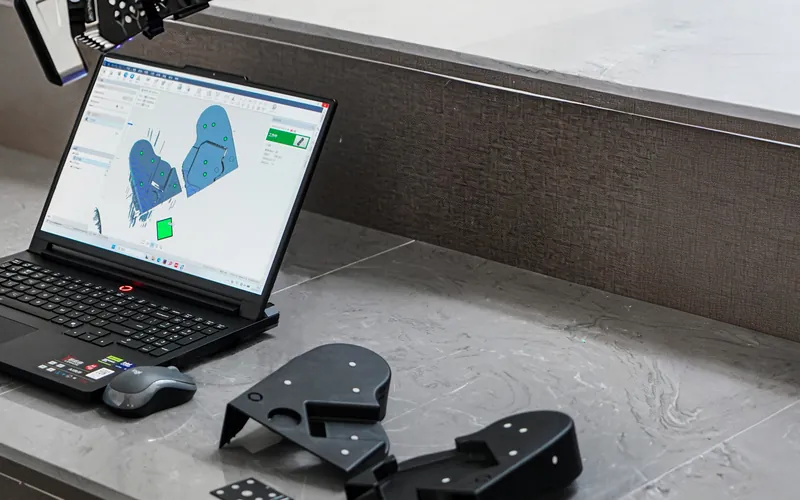
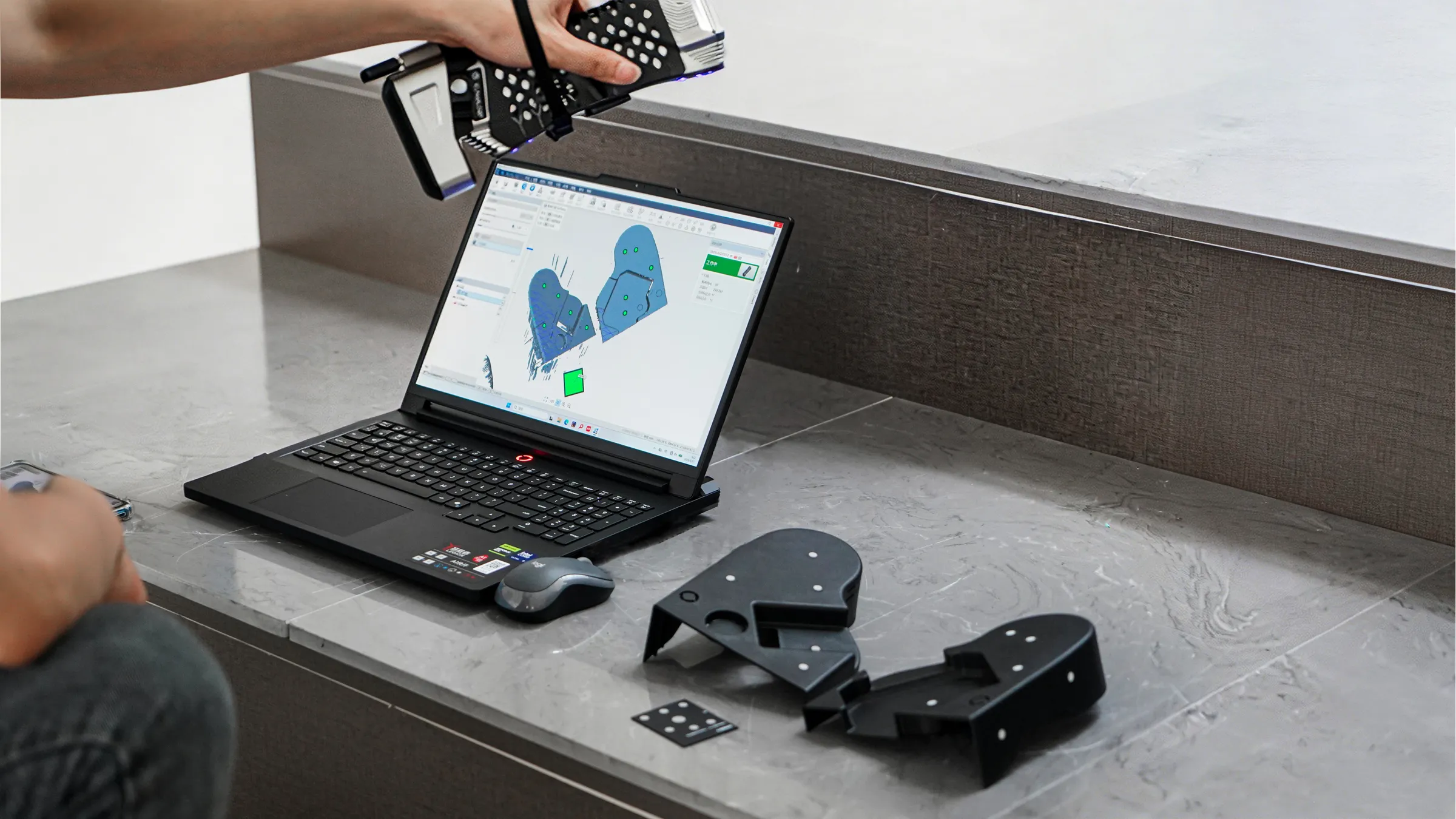
3D scanning at our precision testing center checks the base hole positions and the frame outer dimensions of the model. The result goes back to the buyer against the model parameter sheet. The engineer holds the sheet, the drawing and the scan result in one reply and compares them with the machine measurement. Where the machine measurement and the model do not agree, the reply says by how much and in which direction.

3D scanning setup at the precision testing center with a laptop and scanned frame parts
Distanceboth directions
Holesnumber counted
Footprintbase outline

Three measurements named together. Base distances published on the parameter sheet:

3YL02 · base distances
2KL01 · base distances
2YY01 · base distances
What the library holds

Models Without a Published Hole Pattern: Which Drawings and Hole Maps Exist

Where the library holds no hole map, the hole pattern is requested from the factory and sent with the reply. We do not estimate it from another model.

In the library

Solid dot: the document exists.

YQ40 seat, underside

Model drawings: YJ03, YY08, YQ40, YQ50, YS15 and YS2-8.

Drawings that carry a hole map: YQ40, YQ50 and YY08.

Request from the factory

Hollow ring: the factory sends it with the reply.

KL03 seat, underside

No hole map in the library: YL02, YS15 and YS2-8. The hole pattern is requested from the factory and sent with the reply.

No drawing and no hole map: KL03. YL02 has no drawing in the library either.

Second measurement pair

Weight Range and Suspension Travel: Operator Load and Cab Height

The operator weight range and the suspension travel are read together, because the suspension is set for a weight and then moves through its travel. A seat that covers the weight but carries more travel than the cab has headroom for is a mismatch, and so is the reverse.

Weight range

Published band per model. Faded bars stop at 120 kg; the sheet states no lower end.

KL01
50–130 kg
KL11
50–130 kg
YL02
50–130 kg
YS15
50–130 kg
YJ03
50–130 kg
YY03
40–120 kg
YY53
40–120 kg
YY01
up to 120 kg
YS2-8
up to 120 kg
YY08
up to 120 kg
4080120

Suspension travel

Dot = single published value, bar = published range, in mm.

YY53
48 mm
KL01
50 mm
YL02
70 mm
YJ03
80 mm
YY08
80 mm
YS15
40–110 mm
YS2-8
40–110 mm
KL03
180 mm
0100200

Weight range

The lightest and the heaviest operator are the two figures to record. A machine builder takes them from the cab specification. A distributor takes them from the old seat label, from the machine manual, or from the fleets it supplies. The published bands on our parameter sheets vary by model: KL01, KL11, YL02, YS15 and YJ03 are published at 50 to 130 kg. YY01, YS2-8 and YY08 stop at 120 kg. YY03 and YY53 start at 40 kg and stop at 120 kg. Both ends of the machine range are compared with the band of the model, and a machine that falls outside the band moves to another model.

Suspension travel

The published values differ widely: 48 mm for YY53, 50 mm for KL01, 70 mm for YL02, 80 mm for YJ03 and YY08, and 40 to 110 mm for YS15 and YS2-8. KL03 carries 180 mm. The travel figure of the old seat, or the figure the cab was specified for, goes next to these. A value inside the published range is a match on this item. A value outside it moves the enquiry to a comparison.

Travel and cab height

The suspension travel moves the seat up and down, so the free height above the base is measured with the travel in mind. The engineer checks the model height and its travel against the headroom of the cab. Machine builders take the headroom from the cab drawing. Distributors take it from the machine with the old seat in place.

Items the sheet leaves open

Where the sheet does not state an item, such as how the weight is set, the factory's answer comes in the reply text together with the sheet. We do not borrow those answers from another model. The sheet of the model is the document that purchasing orders against.
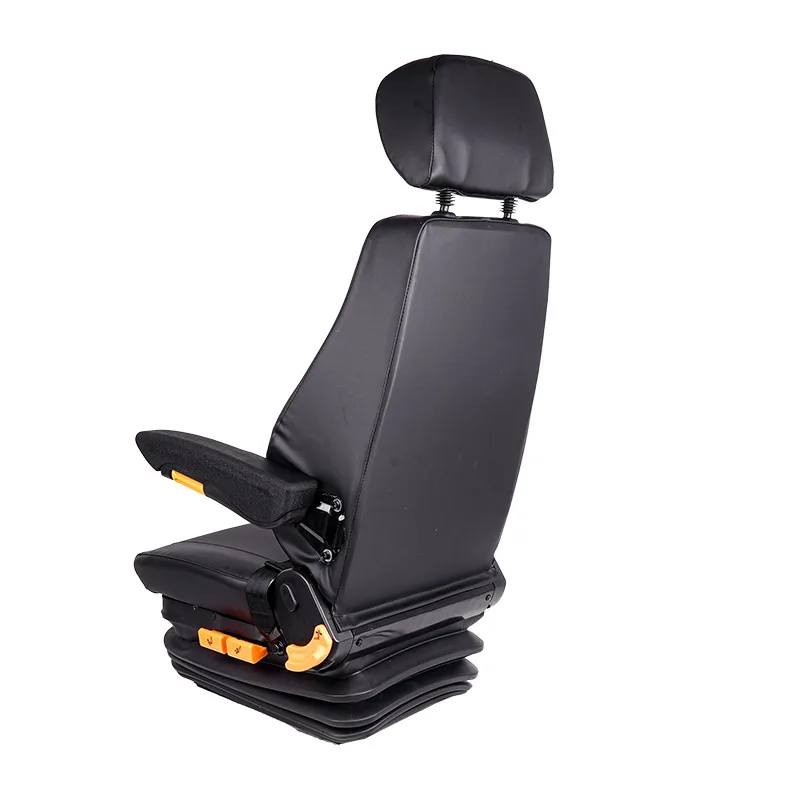
YY53 seat, side viewKL03 seat, side view
48mm
YY53, the shortest published travel
180mm
KL03, the longest published travel

Send the weight range, the travel and the free height with the machine model. The reply comes back with the model and the sheet. The YS15 excavator seat manufacturer page shows this check run on one model, line by line.

The quicker checks

Remaining Measurements: Slide, Backrest, Overall Envelope and Options

The other measurements follow the same logic and are quicker to check. Each one has published values per model, and the reply compares them with yours.

Fore-aft slide

KL01 seat, side view
  • YQ50120 mm
  • KL01160 mm
  • YJ03175 mm
  • KL11176 mm
  • YS15176 mm
  • YL02190 mm
  • YQ40120 mm fwd, 110 mm rear, 23 positions
  • YL0190 mm fwd, 60 mm rear

The check is whether the operators of the machine reach the controls at both ends of their height range.

Backrest range

YY53 seat, side view
  • KL0115–130°
  • YY5370–115°
  • YQ4080–121°
  • YQ5030–60°
  • YJ0335–170°
  • YS1585° fwd, 45° rear

The check compares the working posture of the machine with the range of the model, and the rear angle matters wherever the operator turns to look at the work.

Overall envelope

YQ40 seat, three-quarter view
  • YQ40570 × 480 × 1160 mm
  • YS15, YJ03525 × 610 × 780 mm

The envelope check uses the free space at the seat position, with the seat at the position the operator uses most. The measurement runs in three directions: width, depth and height.

Options and cover

YQ40 seat, front view
  • YQ40armrests, headrests, seat belts
  • YS15also electric lock
  • KL11, YY03micro switch
  • KL01, KL11slide rails
  • CoverPVC main, fabric on several

The old seat or the order sheet states which options the buyer needs. A buyer who needs an option the model does not list receives a comparison with another model.

Power supply

YJ03 seat, three-quarter view
  • YJ0324 V
  • KL0324 V

Before the enquiry, check whether the machine or the old seat carries a 24 V supply. Send the machine voltage in the first message, and we reply with the confirmation for the model.

If the holes differ

Hole Mismatch Options: Another Standard Model or a Changed Pattern

Seat underside

A different standard model

A different standard model from the line may fit the measured pattern. The reply names it and the figure that decides the difference.

YQ40 seat, underside

A changed pattern

The pattern is changed through the OEM and ODM seat manufacturer programs, where the research center works from the machine drawing.

OEM and ODM seat manufacturer programs

A machine builder starts this from the cab drawing. A distributor starts it from the old seat and a set of photos.

The first reply

Factory Reply Document Set: Matching Model, Parameter Sheet, Drawing and Scan Result

The first reply is a document set, so the engineer and purchasing work from the same papers.

Seat standing in for the matching model

The matching model

One model, or two when a figure sits at the edge of a band, each with the figure that decides the difference.

Plain paper sheet placeholder for the model parameter sheet

The model parameter sheet

It carries weight band, travel, slide, backrest and overall size where published. Purchasing orders against it.

YQ40 seat standing in for the model drawing thumbnail

The model drawing

The library holds drawings for YJ03, YY08, YQ40, YQ50, YS15 and YS2-8. Where a figure differs from the sheet, the sheet governs.

3D scanning setup at the precision testing center

The 3D scan result

It records the base hole positions and the frame dimensions against the sheet.

ISO 9001 certificate copy

Certificate copies

ISO 9001:2015, CE, RoHS and REACH copies go to the quality department.

YL02 and KL03 have no drawing in the library, and the hole pattern for those models is requested from the factory. The certificate numbers are on the copies.

Laptop showing a 3D scan next to scanned seat frame parts on a benchScan result against the sheet

The result goes back to the buyer against the model parameter sheet. The engineer holds the sheet, the drawing and the scan result in one reply.

Behind the seat

Base Check by 3D Scan and the Four Lines Behind the Seat

Each production step behind the seat is on a line owned by us.

  1. Foam moldingof the cushion and backrest.
  2. Precision stampingof the frame and base.
  3. Robotic weldingof the frame.
  4. Assemblyof the suspension, the rails and the chosen options.

MES records cover quality inspection and delivery.

First message

Enquiry Sets: Copy the One That Matches What You Hold

Pick the set that matches what you hold, fill the plate with your own measurements and the first message writes itself.

Cab drawing in hand (machine builders)

  • Machine make and model
  • Seat position in the cab
  • Base hole pattern, both directions
  • Rail positions, if rails are used
  • Free width, depth and height
  • Lightest and heaviest operator weight
  • Suspension travel the cab calls for
  • Machine supply voltage
  • Option set per seat
  • Standard model, custom change or built to drawing

Old seat in hand (distributors, importers and refit shops)

  • Machine make and model
  • Photos attached
  • Distance between mounting holes, both directions
  • Overall size of the old seat
  • Weight range and travel printed on the seat
  • Machine voltage
  • Option set
  • Cover
  • Own brand on the seats
Fitment plate · your own figures

Your first message

Nothing is sent from this page. Attach the photos or the drawing in your email, then send it to [email protected].

Send the Measurements or the Old Seat Photos

We reply with the matching model, the parameter sheet and the drawing.

8items to measure
2routes, drawing or old seat
Contact

Send the Machine Make and Model

Send the machine make and model, the weight range, the hole pattern or the old seat photos to [email protected], or call +86 177 0272 7677. We reply with the matching model, the parameter sheet and the drawing. The contact page has the enquiry form.

Reach us directly

What to include

  • Machine make and model
  • Weight range and hole pattern, or the old seat photos
  • Options and cover you want
Seat front view

The form accepts text only. Replies go to the email address you enter.

Email usCall